
Horn Of Tensions: Turkey And Israel In Somaliland – Analysis
Somaliland Takes Center Stage
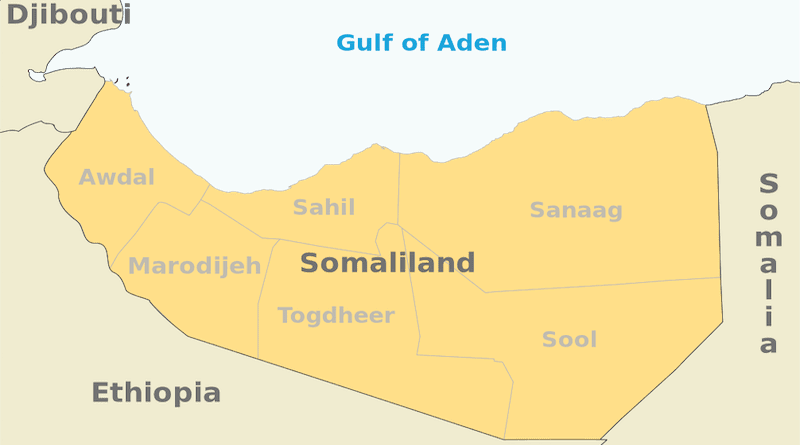
Situated at the Horn of Africa, Somalia and Somaliland occupy a geopolitically vital position along the Gulf of Aden and the Indian Ocean, where some of the world’s busiest maritime trade routes converge. This corridor has long been a nexus for commerce, security, and international diplomacy. Somalia sits atop substantial oil and gas reserves, while Somaliland offers rich livestock, fisheries, and untapped mineral wealth, making the region a magnet for both regional and global actors.
Somaliland declared independence from Somalia in 1991 following the collapse of the central government but remained unrecognised by the international community—until recently. On 26 December 2025, Israel became the first UN member state to officially recognise Somaliland, sending shockwaves across African and global political circles despite widespread opposition from other African nations.
These developments have drawn the attention of external powers, with Türkiye emerging as a major player. Israel’s sudden recognition of Somaliland, alongside competing Gulf and global actors and their agendas, complicates Türkiye’s strategic interests in the region, forcing Ankara to balance safeguarding Somalia’s unity with advancing its long-term influence in the region.
Türkiye’s Strategic Stakes
Türkiye has spent more than a decade cultivating influence in Somalia through infrastructure projects, humanitarian aid, and security assistance, anchored by its largest overseas military base, TURKSOM, where Turkish Armed Forces (TSK) personnel have been training Somali soldiers since 2017. These sustained efforts have bolstered Ankara’s capacity to safeguard trade routes, secure economic and energy interests, and reinforce regional stability. Türkiye has also pursued high-tech ambitions in Somalia, completing a feasibility study for a spaceport, which would serve both civilian and potential strategic applications, further underscoring Ankara’s long-term investment in the country’s infrastructure and regional influence.
The Horn’s Red Sea corridor links the eastern Mediterranean to the Indian Ocean, the Persian Gulf, and Asia, giving Türkiye critical access to regional and global markets. Somalia serves as Ankara’s strategic anchor: Israel’s recognition of Somaliland threatens to fuel fragmentation, risking Turkish investments and partnerships. Beyond Somalia, the issue intersects with Ankara’s broader geopolitical concerns, including Cyprus, Kurdish autonomy across the region, and instability in neighbouring areas such as Syria, Iraq, and the Caucasus. Preserving Somalia’s unity is therefore central to Türkiye’s regional influence, as well as to its broader long-term domestic and foreign policy objectives.
Energy access further intensifies Ankara’s stakes. Under the Türkiye–Somalia Hydrocarbon Agreement, the Turkish Petroleum Corporation (TPAO) is conducting offshore surveys and preparing onshore exploration and drilling across multiple blocks, supported by planned port upgrades, pipelines, and logistics corridors to transport resources to Turkish and regional markets. Israel’s growing Red Sea presence adds a competitive dimension, aiming to limit Türkiye’s access to these strategic resources.
Türkiye’s approach thus far balances assertive engagement with measured restraint. Israel’s recognition of Somaliland, alongside the UAE’s expanding footprint in Berbera and other Gulf investments, reshapes the regional balance. Rather than militarising the situation or recognising Somaliland, Ankara maintains a long-term strategy: reinforcing Somalia’s sovereignty, curbing fragmentation, and consolidating its leverage as a trusted regional partner. This approach can mitigate escalation risks while safeguarding Ankara’s economic, energy, and security interests, forming the foundation of a broader counterbalance strategy to ensure Somaliland’s recognition does not gain traction.
Washington’s Reluctance
The US has so far refrained from recognising Somaliland, maintaining its policy of a single, unified Somalia. Despite pressure from some Republican figures, President Donald Trump withheld recognition, exercising caution over the unpredictable regional consequences that unilateral recognition could provoke.
US recognition could also spark international controversy, particularly with China, which may view it as a precedent for handling its own restive regions—most notably Tibet and Xinjiang, but also Inner Mongolia and areas where Beijing has flagged ‘secessionist tendencies’, such as Hong Kong and Macau. For Beijing, any perceived legitimisation of breakaway claims abroad risks emboldening separatist movements at home. In a Horn of Africa marked by turbulence and shifting regional dynamics, Washington therefore prioritises maintaining alliances, supporting Somalia’s federal government, and reinforcing stability as the foundation of its diplomatic and security strategy.
Conclusion
Türkiye’s long-term engagement in the Horn reflects a careful balance of influence, investment protection, and regional diplomacy. While Israel’s recognition of Somaliland and rising Gulf involvement introduce new pressures, Ankara’s strategic patience, credibility in Mogadishu, and commitment to Somalia’s territorial integrity provide a solid foundation for mitigating risks and advancing its interests. At the same time, Washington’s stance highlights the delicate interplay of regional and international actors, reflecting how recognising—or refusing to recognise—breakaway states can trigger severe consequences both within countries and across borders.
