
Afghanistan’s Counterterrorism Crisis: A Growing Threat To Regional And Global Stability – OpEd
Since US withdrawal from Afghanistan, the country’s security landscape has deteriorated, with the resurgence of militant groups and the Taliban’s inability to effectively manage the growing terrorism threat. Despite Taliban’s initial assurances that they would prevent Afghanistan from becoming a base for international terrorism, reality on ground suggests otherwise. Militant groups like al-Qaeda and ISKP are re-emerging, creating a precarious situation for regional and global security.
One of the most alarming developments post-withdrawal is resurgence of al-Qaeda in Afghanistan. Despite Taliban’s assurances to international community that they would sever ties with the group, al-Qaeda continues to operate within the country. Taliban’s historical connection with al-Qaeda is well-known, and their inability or unwillingness to root out group raises significant concerns. Al-Qaeda’s presence undermines efforts to stabilize Afghanistan and poses a direct threat to regional and global security, as the group uses Afghanistan as a secure base to regroup, plan operations, and potentially launch future attacks.
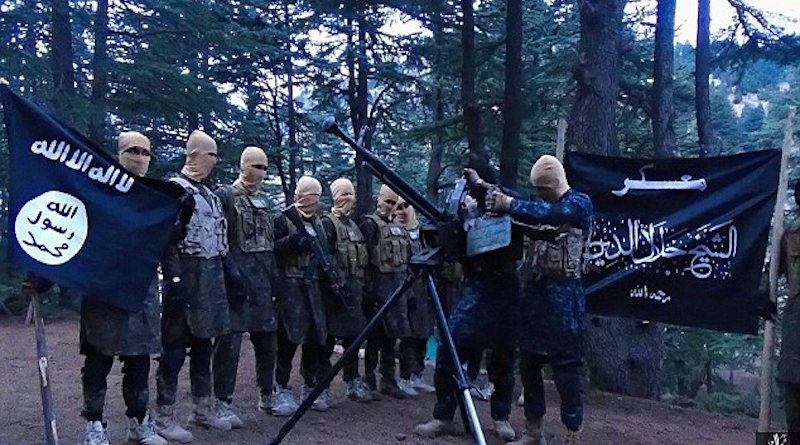
The rise of ISKP presents an even more immediate threat to Afghanistan and the region. ISKP has carried out increasingly sophisticated and deadly attacks across Afghanistan, targeting civilians, religious minorities, and government officials. Their brutality and operational capability are growing, and they pose a serious challenge not only to the Taliban but also to Afghanistan’s neighbors.
ISKP’s operations have destabilized South and Central Asia, with Pakistan, in particular, feeling the brunt of its violence. The group has launched several cross-border attacks, further straining relations between Afghanistan and its neighbors. Pakistan, already grappling with its own domestic militant threats, has seen an increase in attacks from groups operating out of Afghanistan since US withdrawal. This uptick in violence is forcing regional powers to reassess their counterterrorism strategies and heightening concerns over Taliban’s ability to maintain control.
The strained ties between US and Taliban is another factor complicating Afghanistan’s counterterrorism efforts. Since the withdrawal, intelligence sharing and counterterrorism collaboration between the two parties have been severely limited. Tensions persist, particularly because of the Taliban’s ongoing connections to various militant groups, which makes any unified approach to combat terrorism challenging.
The limited communication between US and Taliban prevents coordinated efforts to neutralize threats like ISKP and al-Qaeda, allowing these groups to operate with relative impunity. The US, focused on preventing another 9/11-style attack, must find ways to work with the Taliban, despite their problematic history, to ensure that Afghanistan does not once again become a breeding ground for international terrorism. However, the Taliban’s internal divisions and failure to address extremist ideologies within their ranks make any meaningful counterterrorism cooperation difficult.
Moreover, the situation in Afghanistan has broader implications for other regional actors, including Russia, Iran, and Europe. Russia and Iran, which share concerns about militant activity on their borders, have been increasingly involved in discussions about Afghanistan’s future. Both countries fear that Afghanistan’s instability could lead to the spread of extremism and terrorism into their territories, exacerbating already volatile security dynamics.
The Taliban’s internal divisions and persistent affiliations with groups like al-Qaeda and ISKP raise serious doubts about their ability to govern effectively. While IEA may have seized power, their ability to maintain control and provide security is highly questionable. Afghanistan’s governance under the Taliban is marked by factionalism, with various elements within the Taliban harboring different priorities and ideological commitments.
Furthermore, Taliban’s repeated denials about the presence of terrorist groups in Afghanistan signal a reluctance to confront the full scale of the security threat. By refusing to acknowledge the problem, the Taliban is undermining any possibility of international cooperation to address terrorism. This denial also sends a troubling message to the international community—that the Taliban may not be serious about its counterterrorism commitments.
The current situation demands urgent action from both regional and global actors to prevent Afghanistan from sliding further into chaos. Afghanistan’s neighbors, including Pakistan, Iran, and Central Asian states, must enhance their counterterrorism collaboration. A regional approach, facilitated by organizations like SCO could be key to addressing the cross-border threats posed by groups like ISKP. The US and its allies need to find pragmatic ways to share intelligence with the Taliban, despite the strained relationship. Targeted, transactional cooperation on specific counterterrorism objectives could help mitigate the threat posed by al-Qaeda and ISKP.
International efforts should focus on dismantling ISKP’s financial networks, which sustain their operations. Sanctions, targeted financial disruptions, and working with financial institutions to cut off funding to terrorist groups can help weaken ISKP’s operational capabilities. The Taliban leadership must address the internal divisions within their ranks. A united front against terrorism is crucial for any progress toward stability. The international community can assist by offering incentives for cooperation and governance reform.
In conclusion, Afghanistan’s counterterrorism situation is at a critical juncture, with the resurgence of militant groups posing a direct threat to regional and global stability. A multifaceted approach, involving regional cooperation, international support, and pragmatic engagement with the Taliban, is essential to prevent Afghanistan from becoming a hotbed of terrorism once again.

Like what you read?
Please consider supporting Eurasia Review. Thank you for your consideration!
