
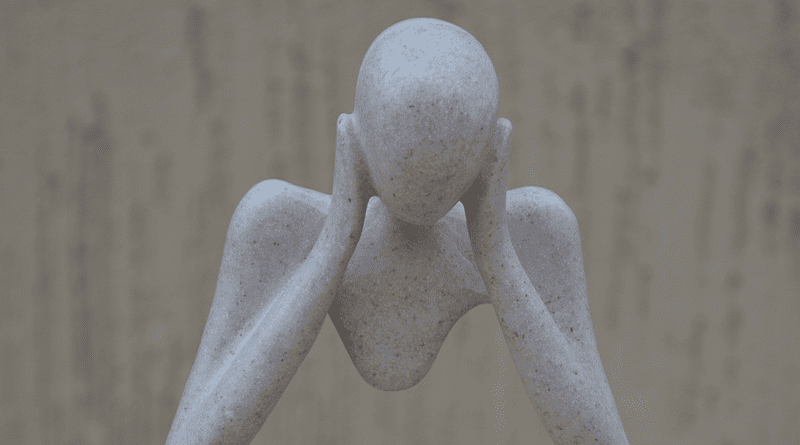
Autism: Origin, Causes, Precautions And Treatment – OpEd
Autism, or Autism Spectrum Disorder (ASD), is a neurodevelopmental condition characterized by difficulties in social interaction, communication, and repetitive behaviors. The severity and presentation of symptoms vary widely among individuals, making it a “spectrum” disorder. It has a complex origin involving genetic and environmental factors. It is believed to be present from early childhood, often diagnosed by the age of 2-3 years.
The term “autism” was first coined by psychiatrist Eugen Bleuler in 1911, but it was later used in its modern sense by Leo Kanner and Hans Asperger in the 1940s.
Causes of Autism: The exact causes of autism are not fully understood, but research suggests a combination of: a. Genetic Factors: Certain gene mutations and hereditary links increase the risk. b. Environmental Factors: Prenatal exposure to pollutants, maternal infections, and complications during birth may contribute. c. Neurological Differences: Brain structure and function differences, including abnormal neural connectivity. d. Immune and Metabolic Factors – Some studies suggest immune system irregularities or metabolic issues may play a role.
Symptoms of Autism: Autism symptoms vary but typically include: Social Difficulties: a. Trouble understanding emotions, avoiding eye contact, or difficulty forming relationships.: b. Communication Challenges – Delayed speech development, echolalia (repeating words), or preference for nonverbal communication. c. Repetitive Behaviors – Hand-flapping, rocking, insistence on routines, or strong focus on specific interests. d. Sensory Sensitivities – Over- or under-reactivity to sound, touch, light, or textures.
Diet and Precautions in Autism
While there is no specific diet that cures autism, some dietary interventions may help manage symptoms, improve overall health, and support brain function.
Recommended Diet for Autism: a. Balanced Nutrition – A diet rich in fruits, vegetables, whole grains, lean proteins, and healthy fats supports brain and gut health. b. Gluten-Free, Casein-Free (GFCF) Diet – Some individuals benefit from eliminating gluten (found in wheat) and casein (found in dairy), as these proteins may cause digestive or behavioral issues in some autistic individuals. c. Omega-3 Fatty Acids: Found in fish, flaxseeds, and walnuts, omega-3s support brain function and may help with behavior and mood regulation. d. Probiotics and Gut Health: Since gut health is linked to brain function, consuming probiotics (yogurt, fermented foods) and fiber-rich foods can support digestion and reduce gastrointestinal issues. e. Vitamin and Mineral Supplements: Some autistic individuals may have deficiencies in vitamins D, B6, B12, magnesium, and zinc. Supplementation should be based on medical advice. f. Limit Processed Foods and Artificial Additives: Avoid artificial colors, preservatives, and excessive sugar, as they may contribute to hyperactivity and behavioral challenges.
Precautions in Autism: a. Sensory Considerations in Food: Many autistic individuals have sensory sensitivities to textures, smells, and tastes. Offer foods in a way that suits their preferences. b. Food Allergies and Intolerances: Monitor for any adverse reactions to certain foods and consult a doctor for allergy testing if needed. c. Regular Medical and Nutritional Check-ups: Work with a healthcare provider to ensure a well-balanced diet and address any deficiencies. d. Avoid Self-Prescribing Diets: Extreme dietary changes should only be done under medical supervision to prevent nutritional imbalances. e. Hydration: Encourage proper water intake, as dehydration can affect mood and cognitive function.
Advancements and Future Treatment
Research into autism is evolving rapidly, focusing on early diagnosis, targeted therapies, and potential biological interventions. Some of the most promising advancements and future treatment approaches include:
a. Early Diagnosis and AI-Powered Detection: AI & Machine Learning: Advanced AI models can analyze behavioral patterns, eye-tracking movements, and speech to detect autism earlier, sometimes as young as infancy. Genetic Testing: Newer genetic screenings help identify autism-related mutations, allowing for early interventions.
b. Personalized Medicine & Biological Therapies: Gene Therapy: Research is exploring ways to correct specific genetic mutations associated with autism, potentially addressing underlying causes.: Microbiome Therapies: Gut health plays a role in autism symptoms. Treatments targeting gut bacteria (such as fecal microbiota transplants) are being studied for symptom improvement: Anti-Inflammatory & Immune-Based Treatments: Since inflammation is linked to autism in some cases, immune-modulating drugs are under investigation.:
c. Pharmacological Advancements: New Medications: Current drugs (like risperidone and aripiprazole) manage symptoms, but research is developing safer, more effective drugs targeting brain neurotransmitters.: Oxytocin & Vasopressin Therapy: These hormones, linked to social bonding, are being tested to improve social interaction in autistic individuals.: mTOR Inhibitors & Neuromodulators: Experimental drugs that regulate brain signalling pathways involved in autism are being developed.
d. Advanced Behavioral and Sensory Therapies: Virtual Reality (VR) & Augmented Reality (AR): VR simulations help autistic individuals practice social interactions in safe environments. Brain-Computer Interfaces (BCIs): BCIs aim to enhance communication for nonverbal individuals by converting brain signals into text or speech. Sensory Integration Technologies: Wearable devices help manage sensory sensitivities by adjusting environmental stimuli.
e. Future Research Directions: Stem Cell Therapy: Studies are investigating whether stem cells can repair neural damage associated with autism. Neuroplasticity-Based Interventions: Techniques that enhance brain adaptability (such as neurofeedback training) may improve cognitive and social skills. While there is no cure for autism, advancements in genetics, neuroscience, and technology are bringing hope for more effective, personalized treatments. Future therapies may focus on improving quality of life, communication, and social skills through a combination of medical and behavioral approaches.

Like what you read?
Please consider supporting Eurasia Review. Thank you for your consideration!
