
Time To Discover The Economic Landscape Of Ladakh – OpEd
The economic landscape of Ladakh is unique in the world. Tourism, handicraft making, agriculture, horticulture, fishery and renewable energy sources etc can generate income and employment for Ladakhi youth. It will repair social, cultural and family life.
In fact, those economic sectors can’t amass huge wealth for the people, but it will give enough to people for living a full and happy life. No country in the world should allow the overgrowth of a few mono sectors in the economy as mono sectors always erode a large number of sustainable economic activities. For example, the overgrowth of the realty sector gives wealth to a few people but it destroys open space, water sources and green cover along with many small economic activities; it adversely affects the quality of life. It has also an adverse impact on tourism, agriculture, sports, culture and religion etc. So economic diversity is a must for a happy, healthy and prosperous human life. The diversity can be rewoven for the integrated growth of Ladakh.
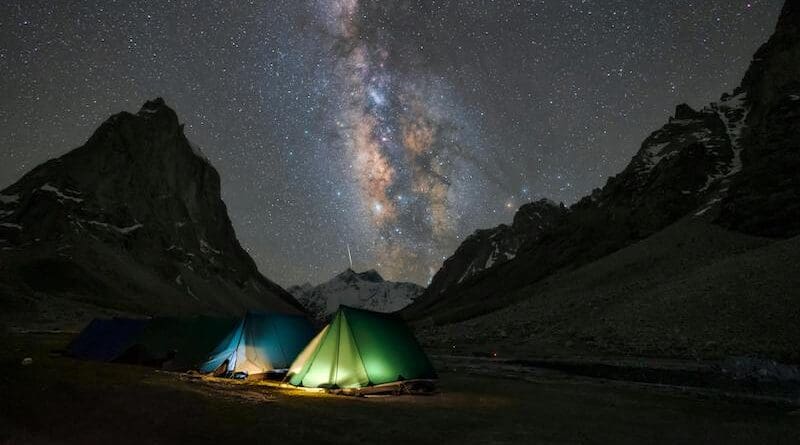
Tourism is one of the most vibrant sectors of Ladakh. The sector mainly depends on the breathtaking natural beauty of this region. Magnificent lakes, landscape, rivers, snow capped hills, waterfalls, springs, mountain rivers, cold deserts and the spiritual environment of this place attract tourists from all over the world. Ladakh is an ideal place for river rafting, mountaineering and for biking etc. It is quiet, beautiful and exotic which are not found in other parts of India. The Buddhist monasteries are clean, quiet and are located in a natural environment; each has its own myths and mysteries. The happy and healthy Buddhist monks live in extreme cold for more than six months in a year. They meditate, chant mantra, rotate the Dharma chakra and wear simple saffron clothes. Their Cham dance in a quiet and serene atmosphere is a tourist attraction. In every step they prove contentment is the real happiness. Their life and spiritual pursuit attracts thousands of tourists who want to see beyond the worldly pleasure for real happiness. This culture holds the clue to world peace.
The thefts of precious artifacts from the ancient monasteries have been reported from time to time. The authorities should crack down on this artifact smuggling network as the theft of artifacts will adversely affect the art and craft traditions of Ladakh. The Ladakhis earn from tourism and they can earn a lot more if they protect and preserve their places as natural as possible. Roads, dams and bridges are needed on the basis of actual need; but over construction of those structures will bring ruin to this eco-sensitive Himalayan region.
The Agriculture potential of Ladakh is immense. The Sindhu river valley is fertile and it helps farmers grow all kinds of vegetables and food grains. The vegetables grow bigger in size due to fertile soil and climate; this kind of growth is not seen in any other parts of India. Ladakhis grow wheat, paddy, barley, apricots, apples, peaches, cherries, grapes, plums, Leh Berry and Seabuckthorn etc. Transparent marketing network for agriculture produces, chemical free natural farming, preservation of water bodies, direct transportation facilities from Leh Airport, proper end use of agriculture credit and preservation of crop diversity will undoubtedly increase the income and employment in Ladakh. The opinion of the experienced local farmers should be taken for agriculture planning. Farmers’ co-operative societies should operate with utmost transparency; those societies should be kept away from political interference. The farm land should not be converted into real estate growth.
Each and every village of Ladakh has potential to generate income and employment. Quality education and health facilities at an affordable cost, proper guidance, good governance and self belief will help the villagers live happily in their village homes. The Ladakhi youth should learn how to grow and market agriculture products. Food processing cottage industries will boost income. Happy and healthy villages will survive the capital city Leh which has become a mess due to pollution and overpopulation. If villagers live amid love, happiness and livelihood, they will not migrate to cities. The government should not allow the migrants to settle in no man’s land; aggressive and unauthorized grabbing of forest, hills and valleys should be stopped in Ladakh.
A well managed Animal Husbandry sector will significantly enhance the income level of the villagers. Ladakhi Yak, Zanskar horses, Bactrian camels and Pashmina goats are the precious gems in Ladakh’s economy. These animals are an integral part of the social, economic, cultural and religious life of the Ladakhi people. Without those animals, Ladakh will lose its life and identity. The villagers can be trained to produce a variety of byproducts from Yak and other domestic animals. Ladakh produces Pashmina wool for making shawls and winter wires. The demand for pashmina wool products is very high all over the world. The villagers should preserve the art of making Pashmina shawls. The government should weed out the middlemen and greedy traders from the Pashmina wool trade as it erodes the profit margin of the hard working villagers who rear Pashmina goats.
Ladakh should have their local designers and exporters of Pashmina products so that the artisans will get more income and the state will get more foreign currency. The Ladakhis artisans need to preserve their skills and artistry in order to add high value to Pashmina wool. The Pashmina goats and yaks need to be protected from harsh weather. Heavy snowfall in 2013 killed nearly 22000 Pashmina goats; lack of shelters and fodder scarcity took their lives. The Thangka painting, wood craft, metal craft and the religious artifacts are very popular in India and abroad. It is very essential for the artisans to preserve the skills and artistry; the authority should ensure that the artisans get the profit margin they always deserve. Fake handicraft trade should be stopped in this region.
The Zanskar horses are known for their speed and endurance capacity. It is mentioned in the epic Mahabharata that many of the war horses were sourced from Zanskar. Ladakh needs to protect and preserve its original animal breeds. It should train villagers how to make byproducts from milk, horns, hairs and dung of those animals. There is an urgent need for a transparent marketing network, honest and efficient co-operative societies to help the local farmers. The river Indus, Zanskar and Shyok are abound with cold water fish namely snowtrout, rainbow trout, brown trout and many other local species. There is an urgent need for village wise authentic documentation of the crop diversity, flora and fauna, traditional skills and eco-friendly activities of Ladakh. Many rare animals and birds have already disappeared from Ladakh in the last two decades.
The greed for precious granite stones will erase many colorful hills which will destroy the tourism prospect of Ladakh. When Ladakh has a vibrant natural sector economy for growth and prosperity what is the need of slicing those magnificent hills? Aggressive stone querying activity can build wealth for a few people at the cost of livelihood of many people and other economic sectors which are enshrined in nature.
Ladakh was part of the Indus valley civilization and it has many places associated with the Indian mythologies and history. The scholar, author and the veteran BJP leader, Mr L K Advani used to visit Ladakh for Sindhu Darshan. His visit to see the sacred river Sindhu every year created awareness about the heritage and culture of India among the local people. The historians believe the villagers of Dha and Hanu in the Aryan valley of Ladakh are linked to the Aryans. The epic Ramayana and the Mahabharata have mentioned India as Aryavrata, the land of the Aryans. There is a need for research to discover the lost heritage and history of Ladakh.
Protection of the environment, crop diversity, livelihood and culture have become global issues today. Unemployment, environmental degradation and other social-economic problems are cited as the reasons for agitation in Ladakh for statehood and recognition under the 6th schedule. It is very essential for the center and the state to work together and address unemployment and environmental degradation in the state. Ladakh has everything to generate income and employment in its vibrant natural sector economy. Wisdom should dawn upon to save Ladakh. Any kind of petty ego clash is highly detrimental to the national interest.

Like what you read?
Please consider supporting Eurasia Review. Thank you for your consideration!
