
Lebanon And Syria Form Joint Committee To Reset Relations After Assad Era
By Mansour Al-Maswari
(Albawaba) — Lebanon and Syria have agreed to establish a high-level joint committee aimed at rebuilding bilateral relations and expanding cooperation across political, economic, security, and humanitarian sectors, marking a significant step in post-Assad regional realignment.
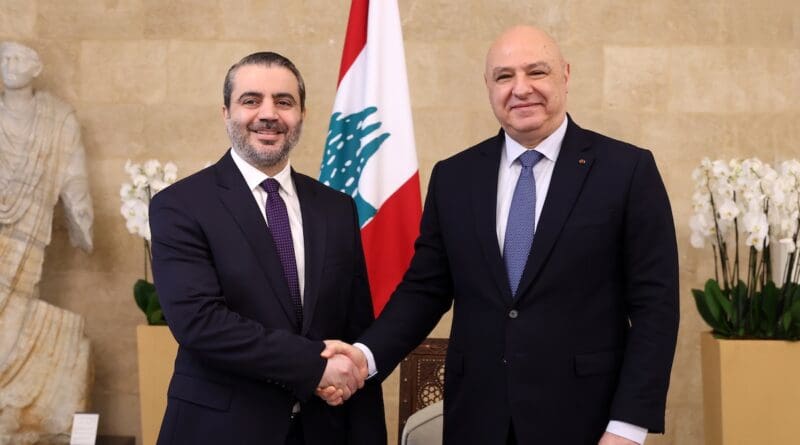
The agreement was announced following talks in Beirut between Lebanese Prime Minister Nawaf Salam and Syrian Foreign Minister Asaad al-Shibani, who co-signed the creation of a Lebanese-Syrian High Committee tasked with overseeing coordination between the two countries.
The new body will focus on key issues including expanding economic ties such as electricity interconnection, trade, transport and cross-border movement, while also addressing longstanding security concerns along the shared frontier, including smuggling and border control. Humanitarian files were also central to the discussions, particularly the issue of Syrian detainees held in Lebanon.
Officials on both sides described the talks as constructive and emphasized that future relations would be based on mutual respect, shared interests and non-interference in domestic affairs—signaling a clear break from the previous era of Syrian dominance in Lebanon under the Assad government.
Syrian Foreign Minister al-Shibani said the dialogue was “frank and transparent,” stressing Damascus’s commitment to stable relations with Beirut and confirming Syria has no intention of interfering militarily in Lebanon. He also said decisions regarding regional security arrangements, including Lebanon’s agreements with Israel, were left entirely to Beirut.
Prime Minister Salam underscored that ties must be built on “shared interests and mutual respect,” while Lebanese President Joseph Aoun reiterated the principle of non-interference and the importance of stability for both countries.
The agreement comes amid broader regional shifts following the fall of Bashar al-Assad’s government and the rise of Syria’s new leadership under President Ahmad al-Sharaa, which has signaled a reset in foreign relations. Lebanese officials have also received indications of warming ties, including an invitation for President Aoun to visit Damascus.
The creation of the committee could pave the way for gradual normalization between the two neighbors, with potential implications for border security, refugee returns and economic recovery, as both countries face ongoing internal and regional challenges.

Like what you read?
Please consider supporting Eurasia Review. Thank you for your consideration!
