
Narcopolitik: Pakistan’s Seizure Diplomacy In The Age Of Surveillance Partnerships – OpEd
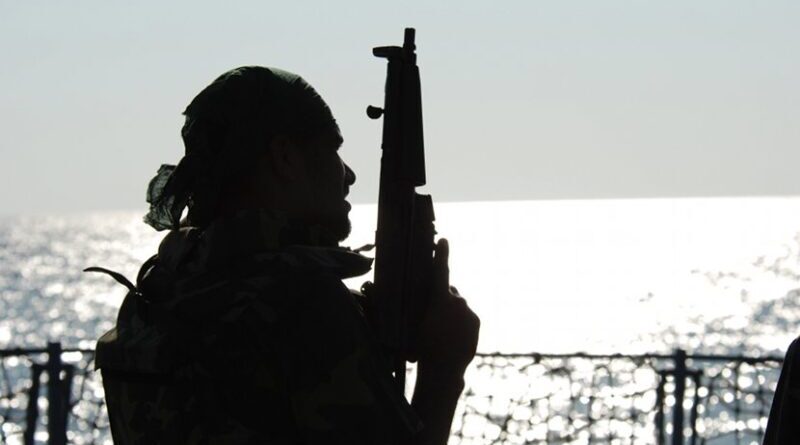
When the Pakistan Navy announced its major $1 billion drug bust on 18 October 2025, the news spread across state feeds and international wires. The announcement read like a triumph. Two stateless dhows had been boarded, two tonnes of crystal methamphetamine seized, the Combined Maritime Forces thanked, and Pakistan’s role in regional maritime security reaffirmed. The Combined Maritime Forces’ own statement, issued the same week, described the interdictions as part of a multinational operation and confirmed the boardings. The two releases matched, frame for frame, and the story was set: visibility achieved, compliance demonstrated.
This choreography, coalition, communiqué, is not new. Nor is the motive a mystery. Since Pakistan entered the Financial Action Task Force (FATF) high-risk monitoring loop in 2018, then exited the grey list in October 2022, publicised law-enforcement symbols have functioned as diplomatic signals. FATF’s Fourth Enhanced Follow-Up Report on Pakistan repeatedly records that the country’s authorities have emphasised enforcement actions as evidence of compliance while flagging shortcomings in prosecutorial follow-through and data integrity. The FATF documents show that seizures are counted; convictions and transparent judicial records are not consistently produced.
Surveillance partnerships supply the raw material for the theatre. Since 2019, Pakistan has operated alongside multinational task forces such as Combined Task Force 150, which patrols critical maritime trade routes and conducts counter-narcotics operations under the Combined Maritime Forces umbrella. The task forces provide intelligence, surveillance and reconnaissance assets, from maritime patrol aircraft to satellite reports, which Pakistan then integrates into its own operational briefings and public communications. CMF communiqués routinely note joint operations; Pakistan’s public affairs units issue domesticated narratives, often with greater specificity than partner releases. The result is a twin story: one written in coalition communiqués, the other written in state media.
The legal trail, however, is the crucial test of sincerity. An audit of high-visibility seizures since 2019 shows a consistent pattern: publicised interdictions followed by limited publicly accessible prosecutorial records. The Global Initiative Against Transnational Organized Crime (GI-TOC) observed in its 2023 annual reporting that a number of high-profile maritime seizures in the region have lacked transparent chains of custody, and that prosecutions and convictions often remain opaque. Where prosecutions do occur, official court records tend to lag months or years behind the initial press coverage. In short, seizures are visible; their conversion into judicial outcomes frequently is not.
That asymmetry matters to creditors and auditors. IMF staff reports and FATF follow-ups treat enforcement metrics differently from judicial metrics. A staged seizure makes a better image than a conviction makes a headline, and staged seizures have collateral value. They help to reassure multilateral creditors that the state is doing something about illicit finance linked to narcotics proceeds. The IMF has noted in public staff reviews that law enforcement actions are part of governance improvements yet stressed that data quality and judicial transparency remain concerns. The policy payoff for a well-timed operation can be immediate and material.
Surveillance technology amplifies the effect. Unmanned aerial systems, long-range maritime patrol platforms and shared satellite data can produce imagery and vector tracks that are highly persuasive on a press desk. CENTCOM and allied navies have expanded interoperability frameworks that enable partners to transmit sensor data. Task Force communiqués or partner press notes may be deliberately elliptical; Pakistan’s releases are not. The state’s public relations apparatus will publish coordinates and glossy photos, turn them into a narrative of control, and circulate that narrative to the right audiences, from FATF assessors to embassy desks. CENTCOM and CMF records confirm the interoperability; Pakistani public releases supply the show.
Performance, however, is not the same as permanence. If an interdiction does not generate transparent legal records, it cannot be relied upon as evidence of systemic reform. The Global Initiative’s country reporting and the UNODC’s regional analyses both underline the central problem: enforcement that ends at visibility does not break criminal networks. It can, instead, provide political cover. While the cameras roll, the networks adapt. Asset flows reroute. If accountability mechanisms are weak, the narrative becomes the policy.
The mechanism is subtle and replicable. Surveillance partners supply imagery and operational support; national public affairs offices provide local captions and names; the docket disappears into case files the public cannot access. That opacity is not always accidental. A scripted seizure serves three practical functions: it placates external auditors, it shores up domestic political capital for security services, and it preserves tactical flexibility for subsequent bargaining. When FATF or the IMF requires proof of action, a seizure plus coalition imagery looks like proof. When courts ask for chain-of-custody records months later, those records are either incomplete or classified. The time lag benefits the state narrative more than the rule of law. FATF’s public documents record both the visible steps and the lacunae.
What, then, is the policy implication? The international partners who supply surveillance assets must insist on documented handover protocols, independent verification and timely judicial transparency as the price of cooperation. The Combined Maritime Forces and allied navies can, and in several documented cases already do, record evidence chains in ways that permit prosecutorial use. Where such practices are followed, interdictions convert reliably into convictions. Where they are not, seizures remain theatrical, useful to diplomacy but ineffective against organised crime.
Pakistan’s publicised maritime enforcement has become a tool of statecraft. It is not always dishonest. Many officers, sailors and analysts labour under difficult conditions and do valuable interdiction work. The problem is structural. When surveillance partnerships are allowed to feed narratives without demanding follow-through, the optics can become the outcome. In that regime, the photo becomes policy, and the camera becomes the most efficient form of diplomacy.

Like what you read?
Please consider supporting Eurasia Review. Thank you for your consideration!
