
The Future Of Farming: Smallholder Finance, Deforestation-Free Sourcing, And Agri-Tech Innovations – OpEd
Enhancing smallholder finance deforestation-free sourcing and agri-tech innovations play crucial roles in sustaining human existence and spurring development economic in the context of worldwide agriculture. Meeting the increasing demand for food protection while the environment requires implementing sustainable agricultural practices. To achieve this fraud prevention in finance smallholders should be prioritized to ensure deforestation-free raw materials while also bringing agricultural technology (agri-tech) closer to the industry than ever before. These strategies foster a productive resilient and agricultural sector that preserves the ecological integrity of its environment.
Improving smallholder finance is crucial, especially in developing regions where small-scale farmers play a significant role in global food security. However, these farmers often face obstacles such as a lack of credit, insurance, and investment opportunities, which prevent them from fully transitioning to modern agricultural methods. As a result, their productivity is low and they become vulnerable to climate conditions. Enhancing smallholder finance involves creating financial services that are specifically tailored to meet the needs of small farmers, enabling them to enhance productivity and sustainability. This task cannot be solely left to the market; the involvement of microfinance institutions, government initiatives, and private sector programs is crucial. By providing accessible credit, savings plans, and insurance products that benefit farmers in terms of high-seed yield and efficient irrigation systems, the agricultural sector can adapt to new environmental conditions. Additionally, financial literacy programs play a crucial role in enabling farmers to effectively manage their finances and maximize the benefits of available financial services.
One successful initiative in improving smallholder finance is Alliance the for a Green Revolution in Africa (AGRA). Through collaborations with financial institutions AGRA has enhanced productivity in agricultural incomes and for smallholder farmers. Their efforts include providing credit to farmers enabling them to purchase inputs and make investments in their fields. This demonstrates that improving smallholder finance involves more just than financial support; it also creates an environment conducive to sustainable production.
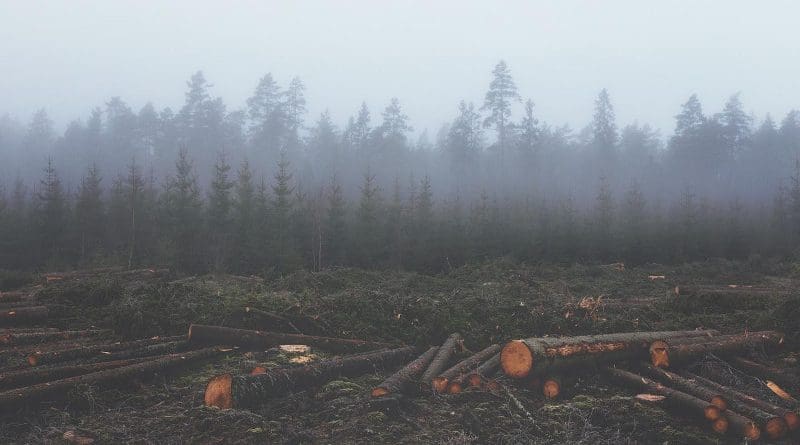
Agricultural expansion is a significant driver of deforestation resulting in adverse impacts on climate change and biodiversity loss. Deforestation-free sourcing refers to obtaining products from contributing without deforestation. This approach strictly requires supply chain management to prioritize the preservation of natural the environment. Many companies and retailers have committed to producing and marketing non-deforestation products with commodities such as cocoa soy and palm oil being particularly targeted. Collaboration with manufacturers is vital to ensure compliance with deforestation-free sourcing practices.
Additionally, governments and non-governmental organizations (NGOs) have a critical role to play in promoting policies and regulations that encourage sustainable land use and forest conservation. For instance, the European’s Union forthcoming legislation to ban imports of deforestation-linked goods represents an important step toward creating a global for market sustainably grown products agricultural. The benefits of eliminating deforestation extend beyond environmental conservation encompassing strengthened farmer positions intact supply chains and increased consumer demand for products sustainable. However, achieving these benefits collectively requires efforts from and businesses civil society to ensure the continued enforcement of sustainability standards.
Harnessing insights from agri-tech is another way to enhance agricultural production. Agri-tech refers to various technologies that improve agricultural efficiency and promote sustainable yields. Examples of innovative applications in this field include precision agriculture and genetically modified crops. Precision agriculture utilizes satellite technology, imagery, and GPS data to minimize waste and optimize productivity. It also helps predict nitrogen fertilizer yield through soil testing, allowing for more efficient use of resources. Other advancements in agri-tech include domotics, which integrates computer technologies in the home, and biotechnology, which promotes genetically modified crops that are resistant to pests and extreme weather, thus reducing the need for chemical inputs. Digital platforms and mobile apps facilitate accessibility to agricultural technology solutions. Some apps even provide a platform for farmers to share experiences and learn from each other.
To conclude, ultimately the future of agriculture lies in adopting sustainable practices to balance that with productivity and environmental stewardship. Increasing smallholder finance while implementing deforestation-free sourcing will practices to contribute this goal. By leveraging the potential agri of-tech and utilizing digitized data for weather forecasting and financial impact assessment farmers can become resilient more and economically viable. These efforts will benefit not only farmers and the environment but also consumers who are sustainable and seek agricultural products.
The opinions expressed in this article are the author’s own.
References
- Alliance for a Green Revolution in Africa (AGRA). (n.d.). About AGRA. Retrieved from https://agra.org/about-us/
- European Commission. (2021). Deforestation and forest degradation – reducing the impact of products placed on the EU market. Retrieved from https://ec.europa.eu/environment/forests/deforestation.htm
- Nestlé. (2021). Deforestation-free supply chains. Retrieved from https://www.nestle.com/csv/raw-materials/deforestation-free
- Unilever. (2021). Protecting and regenerating nature. Retrieved from https://www.unilever.com/planet-and-society/protect-and-regenerate-nature/
- World Bank. (2020). Transforming Agriculture through Digital Technologies. Retrieved from https://www.worldbank.org/en/news/feature/2020/02/21/transforming-agriculture-through-digital-technologies

Like what you read?
Please consider supporting Eurasia Review. Thank you for your consideration!
