
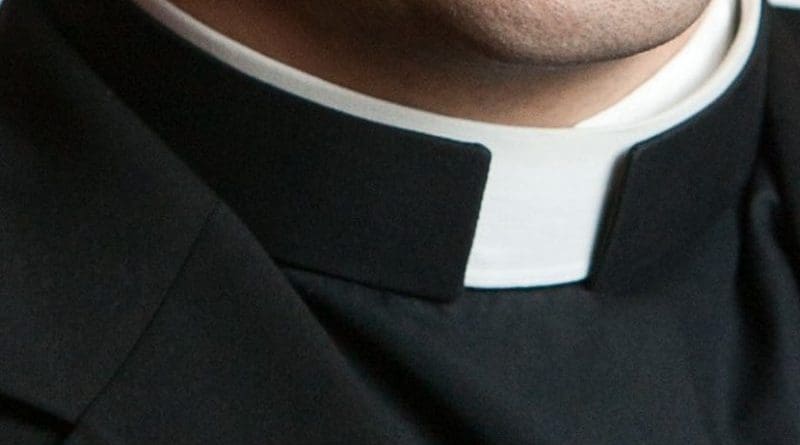
The Priests Who Carry Us – OpEd
We see them at the altar every Sunday, vested and ready, leading us through the familiar rhythms of Mass. We call them when life falls apart—when someone dies, a marriage breaks, or a child is in trouble—and we expect them to show up, steady and available. But how often do we stop to think about what their lives look like once they leave the sanctuary?
A priest’s closest thing to a family is often the parish itself. He becomes a spiritual father to a community, carrying not just sacraments but other people’s grief, confusion, guilt, and hope. That kind of life does not come with the ordinary comforts most of us rely on: home, privacy, shared responsibilities, and the quiet support of family at the end of a hard day.
Every morning he celebrates the Eucharist, whether five people are in the pews or fifty. He hears confessions, visits the sick, brings communion to hospital rooms, and answers calls in the middle of the night when someone is dying and the family needs a priest now. This is not occasional work. It is the shape of his life. And while most of us can close the door on work and rest, a priest is often still on call long after everyone else has gone to sleep.
The financial side is modest too. The collection basket does not support a priest in any ordinary sense. He usually lives on a small stipend meant to cover the basics—food, clothing, and transportation. When he needs a holiday, he often saves for it with gifts from friends or well-wishers, because there is no paid leave waiting for him. We expect him to be available for everyone, all the time, even when he is tired, sick, or worn down.
And just when he begins to know a parish well, he is often moved. Priests are reassigned regularly, usually after five to seven years, so they must leave behind relationships they have built and begin again somewhere else. They learn new names, new wounds, and new expectations. Through it all, they depend heavily on volunteers and lay people who quietly keep parish life moving.
None of this excuses wrongdoing. When a priest abuses trust, mishandles money, or harms others, he must be held accountable. But we should not let the failures of a few erase the fidelity of the many. Too often, gossip does more damage than truth does good. A careless remark in the parking lot or over coffee can spread far beyond what is fair or accurate, leaving a priest judged before he is truly known.
Priests are vulnerable in ways we rarely notice. Many live alone, with little company when they are lonely, unwell, or discouraged. Think of Father Stan Swamy, the Jesuit priest who suffered and died in custody in his eighties, weakened by Parkinson’s disease and denied even basic dignity. His story is painful, but it also reminds us how easily priests can be overlooked when they need care themselves.
Imagine getting a call at two in the morning to go to a dangerous neighbourhood and anoint someone who is dying. Imagine getting out of bed, driving through the dark, returning home near dawn, and then celebrating Mass an hour later. Who checks on the priest when he is sick? Who sits with him when he is grieving? Who notices when he is carrying more than he can comfortably bear?
We can do better than admiration from a distance. Remember his birthday. Acknowledge his ordination anniversary. Invite him to dinner. Offer a ride. Sit with him when he seems troubled. If he makes a mistake, correct it without cruelty. If he is doing well, say so. These are small gestures, but they matter more than we think.
Think of the priests who have walked with you through life’s most important moments: the one who baptised your children, heard your confession, witnessed your marriage, anointed your dying parent, or prayed with you when you had no words left. They carry those moments too, often quietly and without recognition. They give their lives in service. The least we can do is see them clearly, treat them kindly, and return some of the care they so freely give.
Our priests need us as much as we need them. That is not sentiment. It is simply the truth.

Like what you read?
Please consider supporting Eurasia Review. Thank you for your consideration!
