
US, Britain Emphasize Commitment To Safe Navigation In Strait Of Hormuz As Iran And Oman Advance Route Agreement
Key Takeaways:
- US and Britain reaffirm safe Hormuz navigation: Secretary of State Marco Rubio and British Foreign Secretary Ed Miliband stressed their commitment to free passage through the Strait of Hormuz and to preventing Iran from obtaining a nuclear weapon.
- Iran and Oman near deal on safe shipping route: Tehran said talks with Muscat have advanced, with agreement on the route’s coordinates and a joint announcement nearly finalized, provided third parties do not interfere.
- Trump warns of hard action if Iran blocks reopening: President Trump said the strait would reopen “soon” and threatened to hit Iran “very hard” if it refuses to negotiate, while Iran denied any recent direct talks with Washington.
US Secretary of State Marco Rubio and British Foreign Secretary Ed Miliband met in Washington on August 5 and emphasized their countries’ commitment to ensuring safe passage through the Strait of Hormuz and preventing Iran from ever acquiring or developing a nuclear weapon.
According to a statement from the US State Department, the two sides also discussed the importance of Europe playing a greater role in ensuring the security of the vital waterway.
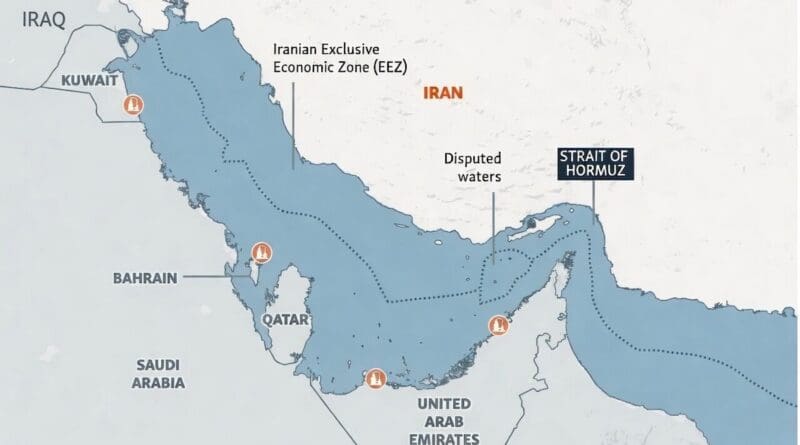
The development came as Iranian officials said Tehran was close to reaching a deal with Oman to establish a safe route through the Strait of Hormuz, while warning against “third-party” intervention in the negotiations.
The continued disruption of traffic through the strait has been a major source of tension in the war between the United States and Iran and has complicated diplomatic efforts to end the wider conflict in the Middle East.
Iran, Oman Make Progress On Strait Of Hormuz Route Agreement, Tehran Says
Iran and Oman made progress on August 5 in talks on a shipping route through the Strait of Hormuz, agreeing on the route’s geographical coordinates, Iranian Foreign Ministry spokesman Esmail Baqaei said.
Tehran and Muscat have been in talks for the past couple of months, discussing various aspects of the proposed route, Baqaei said, adding that the two countries have nearly finalized a joint announcement, “provided that certain third parties do not obstruct the process.”
Earlier in the day, US President Donald Trump said the vital waterway would be reopened “soon,” threatening to hit Iran “very hard” if Tehran refuses to negotiate its reopening. “They understand that. I have no choice,” he added.
Speaking to Fox News, Trump also said that “very good discussions” were underway with Iranian authorities. However, Iran’s state news agency IRNA reported that, according to the country’s Foreign Ministry, no talks had been held between Washington and Tehran in recent days.
However, Baqaei said any agreement between Iran and Oman on a safe route through the Strait of Hormuz would not, by itself, guarantee security there.
The effective closure of the strait has long been one of the central issues in the war between the United States and Iran and one of the main obstacles to a negotiated settlement aimed at ending the broader conflict in the Middle East.
From the early days of the war, Tehran kept access to the waterway restricted, disrupting global oil markets and sending prices soaring.
In the following months, it also sought to impose a toll on vessels passing through the Strait, a move that the United States described as unacceptable.

Like what you read?
Please consider supporting Eurasia Review. Thank you for your consideration!
