
Indonesia At The Crossroads: Prabowo At APEC 2025 – OpEd
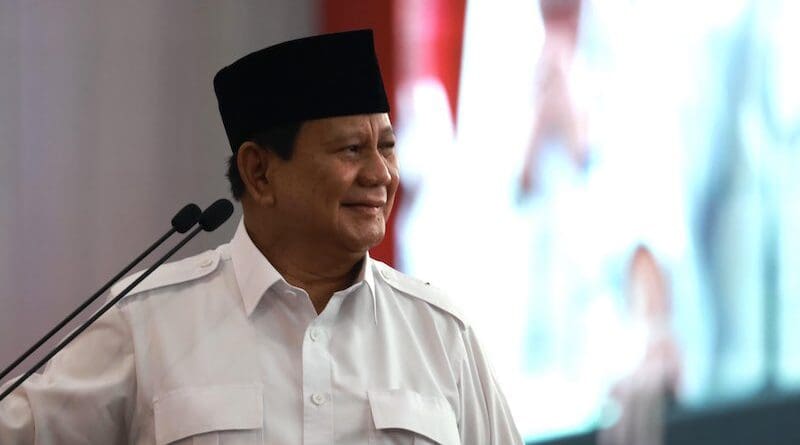
The Asia-Pacific Economic Cooperation Summit in Gyeongju, South Korea, in October 2025 represents a pivotal moment for Indonesia under President Prabowo Subianto.
The third-largest democracy worldwide and the biggest economy in Southeast Asia gives Indonesia a solid foundation to join the forum with promising opportunities. The event will evaluate Jakarta’s ability to merge its national economic goals with regional trade talks while showcasing Indonesia as a stable connection between mature and emerging markets.
The APEC agenda of Indonesia focuses on three core objectives, which include economic diplomacy and security-linked investment, and technological modernisation. The first goal of Jakarta involves establishing itself as a central location for trade and investment activities in the Asia-Pacific region. The Indonesian economy shows strong growth potential because it will achieve 5.1 per cent GDP expansion in 2025, but faces challenges from inadequate infrastructure and complex regulations, and digital access inequalities. APEC provides businesses with a clear opportunity to bring investment into renewable energy and digital services, and logistics, which will help Indonesia achieve its goal of becoming a high-income nation by 2045. The implementation of bankable projects in ports and power, and digital infrastructure will turn summit-level promises into actual advantages for workers and businesses.
The second component of Prabowo’s strategy links defence industrial policy to economic goals through a strategic framework. The current administration shows its commitment to drawing high-tech investments through defence alliances while creating domestic manufacturing facilities. This strategy rests on a pragmatic recognition that economic resilience increasingly depends on technological sovereignty and secure supply chains in a geopolitically fragmented era. The third goal of Indonesia is to become a leader in digital economy cooperation. The city of Jakarta will support interoperable frameworks because it projects 224 million internet users by 2025, and its digital economy will grow to USD 130 billion.
The APEC engagement of Indonesia serves as more than a symbolic gesture because it demonstrates the nation’s strategic move to establish itself as a middle power. The large population of Indonesia, together with its domestic market power and diplomatic reach, sets it apart from other ASEAN member states. The organisation maintains neutrality in international relations because it functions as a mediator, which enables different nations to discover mutual understanding. Prabowo supports food and energy security, which matches APEC’s mission to achieve inclusive, sustainable growth. The world’s largest palm oil producer and major nickel exporter, Indonesia, uses its position to negotiate better terms in global supply chains and green investment and agricultural resilience agreements.
The Gyeongju summit establishes vital connections between South Korea and China. It will be Prabowo’s first official visit to South Korea as president, and Seoul is already a major investor in Indonesia’s automotive, electronics, and defence sectors. Bilateral trade between the two countries reached USD 20.6 billion in 2024, and Korean companies played a key role in building Indonesia’s electric vehicle battery industry. The investments demonstrate how industrial partnerships enable technology sharing and create domestic value, and generate employment opportunities. APEC provides an opportune venue for Jakarta to deepen cooperation with Seoul on green technology, defence-industrial linkages, and digital innovation while strengthening Northeast Asia–Southeast Asia economic integration.
Multiple substantial obstacles exist in Jakarta which prevent the city from achieving its development targets. The United States and China maintain a competitive relationship that extends its influence across APEC because they work to determine which issues the forum should address and what standards it should follow. The country needs to address these issues with care because it must stop zero-sum alliances, yet keep market access and investment from both nations. The current trade negotiations have become divided because developed nations pursue strict digital regulations and carbon border taxes, and supply chain security measures, while developing nations want adaptable policies and economic assistance.
The World Bank ranks Indonesia at a middle position for business ease, but project delivery remains slow because of domestic regulatory challenges, which stem from poor contract enforcement and land acquisition difficulties and complex bureaucratic processes. The process of policy decision-making becomes more complex because of environmental and climate factors, which require careful management of coal energy transition while upholding social and economic goals.
Gyeongju needs Indonesia to develop particular operational plans for converting attendance into achievement. The city of Jakarta needs to create an APEC framework for critical mineral cooperation to extract its nickel reserves for building an eco-friendly electric vehicle supply chain through local smelting operations under strict environmental regulations. The framework would create connections between industrial strategy and worldwide decarbonization initiatives to draw in technology and capital for building state-of-the-art manufacturing facilities. Indonesia should take the lead to create standardised digital trade rules and data management frameworks, and enhanced regional cybersecurity measures, which will enable borderless trade to grow while protecting privacy and system security.
The city of Jakarta needs to establish reliable programs to draw renewable energy investments through the expansion of Just Energy Transition partnerships with APEC members who want to participate and by creating bankable renewable energy project pipelines with established permitting and funding systems. Through its convening power, Indonesia can unite developed countries that insist on strict climate targets with developing nations, which prioritise economic development and climate adaptation funding to establish itself as a mediator and boost ASEAN’s economic influence in the region.
To conclude, the participation of President Prabowo at APEC 2025 enables Indonesia to showcase its economic strength while leading diplomatic efforts. The success of Jakarta will depend on its ability to link realistic project proposals with domestic changes that reduce regulatory barriers and improve transparency and environmental protection. The government needs to establish specific timeframes and quantifiable performance metrics for all new APEC initiatives, which should be supported by task forces that unite public and private sector representatives. Transparent reporting and regular review meetings would help convert summit pledges into bankable projects and build confidence among international partners. The Indonesian government needs to create direct links between diplomatic work and specific governance improvements to maintain the Gyeongju summit results after the summit ends. Success would elevate Indonesia’s influence across economic and security policy in the Asia-Pacific region.
The opinions expressed in this article are the author’s own.
References
- Putra, B. A. (2025). Prabowo and the shifts in Indonesia’s contemporary foreign policy. Journal of Southeast Asian International Relations, 12(3), 45–67.
- Martinus, M. (2025). Indonesia’s probable foreign policy shift from the West under a Prabowo administration. ISEAS Perspective, 2025(12).
- Da Costa, G. (2025). Indonesia sets the stage as a global leader in energy transition with ICMMS 2025. Indonesia Business Post.

Like what you read?
Please consider supporting Eurasia Review. Thank you for your consideration!
