
Time To Treat The Root Causes Of Violent Protests – OpEd
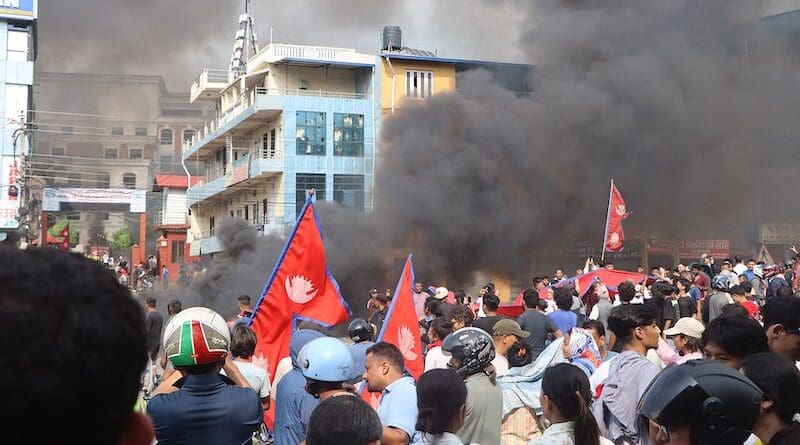
Violent mob protests in Sri Lanka, Bangladesh and Nepal for regime change have sent a warning signal to the leaders across the world. They should act to prevent the violent mob protests from happening.
People come to the streets when they feel that their life has become a total mess and there is no future for them and for their children in their own countries. When the protest becomes widespread, there is every possibility of it turning violent. History has well documented how peaceful mob protests turned violent. The mob violence in Sri Lanka, Bangladesh and Nepal happened due to the deep rooted corruption, poor governance, political apathy to people’s sufferings, blatant misuse of power to silence opposition and the sane voices etc,. But mob violence is not the solution as mobs can’t rule. The solution lies in repairing the social, cultural and economic environment for inclusive growth and prosperity of the citizens.
In 2009, the former Sri Lankan Prime Minister, Mahinda Rajapaksa and his younger brother, Defense Minister Gotabaya Rajapaksya crushed the Liberation Tigers of Tamil Eelam (LTTE) fighting for an independent homeland for Tamils in northeastern Sri Lanka. The Sri Lankan Budhist majority celebrated the victory and the Rajapaksa brothers became the national heroes. It helped them win elections and become the absolute power to start the saga of corruption. The Rajapaksa returned the love, trust and respect of the Sri Lankan people with loan burden, hunger, poverty and unemployment. The peace loving Budhist community came to the street and drove the Rajapksas out of Sri Lanka after a violent protest. The protestors had burnt 50 houses belonging to politicians; they razed a controversial museum in Hambantota to the ground which was dedicated to the Rajapaksa family.
The decades-long corruption of the Rajapaksa family of Sri Lanka had pushed the once vibrant Sri Lankan economy into coma in 2022. As the foreign reserves depleted by 99% from $ 7.6 billion in 1919 to a meager $ 50 million in 2022, Sri Lanka ran out of fuel, food and medicines. Food inflation rose to over 57% and the Sri Lanka government introduced a four-day work week and advised citizens to grow crops. Power shortage compelled the government to close the schools also. The people experienced power cut for 13 hours daily. The Sri Lankan currency was down by 80%, making food and fuel import difficult. The UN World Food Program says nearly nine of 10 families are skipping meals or otherwise skimping to stretch out their food, while 3 million are receiving emergency humanitarian aid.
When the Sri Lankan people were in utter distress, the Gotabaya run Government had spent more than $1 billion on the port, $250 million on the airport, nearly $200 million on underused roads and bridges, and millions of dollars on building the cricket stadium in Hambantota, the Rajapaksa family’s home district in the south of Sri Lanka. By 2022, Sri Lanka’s external debt had soared up to an alarming $58.72 billion and its total public debt was USD 83.6bn. Sri Lanka’s top court has ruled that ex-president Gotabaya Rajapaksa and his brother Mahinda were among 13 former leaders responsible for the country’s worst-ever financial crisis.
Interestingly, the Sri Lankan example had not changed the way of governance of the leaders in Bangladesh and Nepal. Both in similar fashion crumbled under the weight of unsustainable development projects, bad debt, looming poverty and unemployment. The lavish lifestyle of their leaders and their relatives put salt on the wounds of the general public of Bangladesh and Nepal. There was a flight of capital and young talents to developed nations. Loans from outside agencies were ingeniously laundered. They made a mockery of democracy by rigging elections with money and muscles; they tried to suppress the democratic expression of people with force. Erosion of democratic rights and freedom of speech found expression on the roads. No ruler in the world can survive for long by converting democracy into dictatorship. Even the cruelest autocrat can’t suppress the people’s displeasure for a long time. It is very difficult to anticipate when the anger and frustration among the general public will burst into mass protest and mob violence.
Mob fury drove out the Prime Minister, Sheikh Hasina of Bangladesh and the Prime Minister, K.P. Sharma Oli from their countries. Miscreants took advantage of mob violence in Bangladesh as they diverted the mob fury to Bangladeshi Hindus; many Bangladeshi Hindus lost their lives and property; they took refuge in India. Bangladeshi Hindus had immensely contributed to build the economy, social and cultural life in Bangladesh. The native Hindus of Bangladesh should not become strangers in their homeland.
Mob violence can change the regime but it is not the solution. Restoration of healthy democracy, inclusive growth and good governance always restores people’s trust on the political rulers. The message from the three countries was loud and clear “don’t play with the future of the citizens and misuse power for your own advantage.”
Democracy, dynasty and autocracy give the rulers an opportunity to serve people. The new regimes in Sri Lanka, Bangladesh and Nepal have the opportunity to set an example of good governance and healthy democracy. As a first step, those countries should nationalize the bank deposits of the corrupt rulers which are kept in foreign banks. It should be followed by exemplary punishment according to the country’s law. The wealth lost should be recovered within a time frame. Otherwise all kinds of protests and regime change will be viewed as pure Drama.

Like what you read?
Please consider supporting Eurasia Review. Thank you for your consideration!
