
Pakistan Drowning: How India’s Water Aggression Worsens Disaster – OpEd
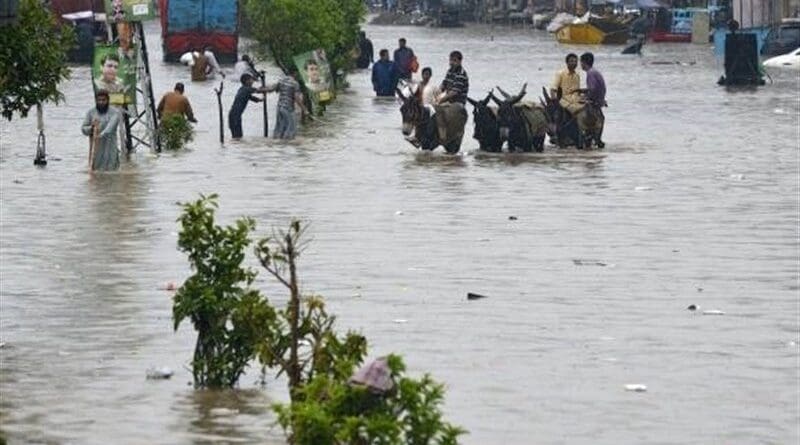
The 2025 monsoon season began early brought unprecedented devastation across South Asia, where Pakistan is facing disastrous flood that submerged villages, farmlands, livestock and even essential crops across Khyber Pakhtunkhwa, Punjab, Sindh, Azad Kashmir and Gilgit-Baltistan where millions were displaced and hundreds of lives lost.
The sudden release of water by India significantly worsened the flood situation in Pakistan, intensifying human and economic sufferings. These actions highlight India’s repeated violations for Pakistan’s safety, despite obligations under the Indus Waters Treaty of 1960, which requires India to manage transboundary water flows without harming Pakistan.
Pakistan’s geographic location makes it vulnerable to natural disasters especially floods and earthquakes combined with climate change, contributes to torrential rains, cloudbursts and overflowing rivers. India’s aggressive water management policies worsen the situation further. Rivers such as the Sutlej, Ravi, Chenab, and Jhelum flow from India into Pakistan, forming part of Indus River system that supports agriculture, industry and drinking water. India’s abrupt release of water during monsoon season have caused flash floods downstream, crushing infrastructure and affecting millions of Pakistanis. Experts have warned that such actions by India turn water into a political weapon, highlighting the urgent need for observing international water-sharing rules.
On August 14, 2025, a severe cloudburst hit Khyber Pakhtunkhwa, causing flash floods that destroyed more than 10,000 homes, 45 bridges, 200 kilometres of roads and 266 schools. Nearly 328 people died, 965 injured, over 227 missing and more than 45,000 displaced in KPK only. Punjab, ‘food basket of Pakistan’ was equally devastated, with the Chenab, Ravi and Sutlej Rivers overflowing and displacing over 42 lakhs people. Almost 56 people killed, 4,156 villages damaged and 14, 96000 acres of farmland destroyed, threatening livelihoods. Sindh is also experiencing severe flooding along the Indus River, and NDMA predicted more rains till September 11. Azad Kashmir faced same flash floods and landslides that damaged homes and blocked roads, while Gilgit-Baltistan saw swollen rivers, mudslides and infrastructure destruction.
Relief camps were established by government’s authorities and NGOs. Aid and rehabilitation efforts are underway across Pakistan. Pakistan’s Army led large-scale rescue and relief operations, deployed helicopters to evacuate stranded residents, deliver food, water and medical aid. Army engineers restored critical infrastructure, enabled relief to reach remote areas in KPK as well as Punjab. These efforts saved lives and supported displaced communities across Pakistan. Field Marshal Gen Asim Munir and Prime Minister Shahbaz Sharif paid visit to the flood-affected areas in Punjab, met displaced families including Sikh Community and ensured timely assistance for affected communities. Rescue 1122, Al-Khidmat Foundation, Akhuwat Foundation and Edhi Foundation actively participated in flood relief, providing emergency rescue, food and medical aid.
The 2025 floods exposed the grave impact of India’s abrupt dam releases, which intensified natural disasters in violation of the Indus Waters Treaty. To reduce future risks, Pakistan must strengthen early warning systems, improve river embankments, build resilient infrastructure and ensure diplomatic pressure for compliance with transboundary water agreements. International aid from U.S., including first flight from USAID, has been mobilized for flood victims, six more flights would arrive soon to deliver assistance to displaced communities.

Like what you read?
Please consider supporting Eurasia Review. Thank you for your consideration!
