The Evolution Of Far-Right Political Narratives: A Discourse Analysis
Far-right political parties have evolved in their narratives and rhetoric to adapt to changing social, economic, and political landscapes. While these parties share core ideological themes such as nationalism, authoritarianism, and anti-immigration sentiments, their modes of communication have shifted significantly over time. By employing discourse analysis, this article explores how far-right parties have modified their narratives from the early 20th century to the present, reflecting broader historical transformations.
Early 20th Century: The Rise of Fascist Narratives
The interwar period marked the consolidation of far-right ideologies in Europe. Far-right parties like Italy’s National Fascist Party and Germany’s National Socialist German Workers’ Party (Nazi Party) employed rhetoric that emphasized:
Militant Nationalism: They glorified the nation-state as the ultimate source of identity and unity. This was often paired with irredentism or the desire to reclaim “lost” territories.
Racial Supremacy: A dominant theme was the dehumanization of perceived “others,” such as Jews, Roma people, and political dissidents, using pseudo-scientific racial theories.
Anti-Modernity: The far-right positioned themselves against liberal democracy, communism, and cosmopolitanism, framing these ideologies as threats to traditional values.
These narratives were propagated through speeches, rallies, and propaganda that resonated with citizens facing economic depression and social instability. The use of symbolic imagery, such as the swastika or fascist salutes, reinforced a collective identity.
Post-War Era: Rebranding and the Politics of Denial
The defeat of fascism in World War II discredited overtly authoritarian far-right ideologies, forcing these groups to rebrand. In the late 20th century, far-right parties like the French National Front (FN) and the Austrian Freedom Party (FPÖ) adopted subtler discourses:
Cultural Nationalism: They shifted from racial supremacy to cultural superiority, arguing for the preservation of “native” cultures against perceived threats from immigrants and globalization.
Victimhood Narratives: Far-right parties portrayed themselves and their constituencies as victims of liberal policies, often blaming immigrants for unemployment, crime, and social decay.
Euphemized Language: Terms like “ethnic homogenization” replaced openly racist rhetoric, allowing far-right groups to appeal to mainstream audiences while maintaining exclusionary goals.
This period also saw the emergence of “Euroscepticism,” where far-right parties criticized the European Union as an infringement on national sovereignty.
1990s–2000s: Globalization and the Rise of Identity Politics
The advent of globalization and the end of the Cold War ushered in new challenges and opportunities for far-right narratives. Discourse during this period increasingly reflected:
Anti-Globalization Rhetoric: Far-right parties opposed neoliberal economic policies, portraying global institutions like the IMF and WTO as threats to local industries and workers.
Immigration and Islamophobia: The far-right weaponized concerns over immigration, particularly from Muslim-majority countries, framing it as a cultural and security threat. This became more pronounced following the 9/11 attacks.
Populist Framing: Leaders like Jean-Marie Le Pen (FN) and Jörg Haider (FPÖ) framed their parties as defenders of “the people” against corrupt elites and media.
Media became a critical platform, with far-right groups using television appearances and campaign ads to broaden their appeal. The Internet’s emergence in the late 1990s further amplified their reach.
Post-2010: Digital Media and the Normalization of Far-Right Rhetoric
The 2010s witnessed the mainstreaming of far-right discourse, facilitated by digital platforms and the global rise of populism. Discourse analysis during this era reveals several key shifts:
Online Radicalization: Social media allowed far-right groups to bypass traditional gatekeepers, reaching wider audiences through memes, videos, and forums. Platforms like Facebook, YouTube, and Twitter became critical in spreading xenophobic and conspiratorial narratives.
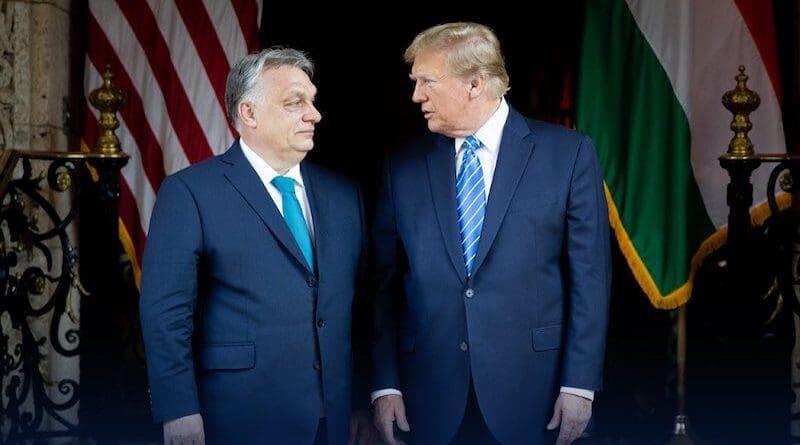
Anti-Elitism: Far-right leaders, such as Donald Trump (USA) and Viktor Orbán (Hungary), positioned themselves against global elites, leveraging anti-establishment sentiments.
Nationalism 2.0: Narratives emphasized economic nationalism, with slogans like “America First” or “Make Britain Great Again,” blending traditional patriotism with modern economic grievances.
Eco-Nationalism: Some far-right groups co-opted environmental concerns, arguing that immigration strains natural resources, thus framing ecological issues within exclusionary rhetoric.
The refugee crisis of 2015 and terror attacks in Europe further intensified Islamophobic narratives, with parties like Germany’s Alternative for Germany (AfD) gaining prominence by framing immigration as a cultural and security threat.
Contemporary Trends: Intersectionality of Narratives
Today, far-right parties exhibit a complex interplay of traditional and modern narratives-
Gender and LGBTQ+ Issues: While traditionally patriarchal, some far-right groups have appropriated feminist rhetoric to position themselves as defenders of women against “misogynistic” immigrant cultures.
Conspiratorial Thinking: The COVID-19 pandemic and economic instability fueled conspiracy theories, such as “The Great Replacement” and “plandemic,” which argue that global elites deliberately undermine national identities.
Hybridization of Discourses: Far-right rhetoric now blends local grievances with global concerns, creating a narrative matrix that resonates across diverse populations.
Far-right discourse today is marked by a paradoxical combination of modernity and nostalgia, as parties seek to modernize their appeal while championing a return to perceived traditional values.
Theoretical Frameworks in Discourse Analysis for Far-Right Political Narratives
Discourse analysis provides a lens through which we can examine the evolving narratives of far-right political parties, shedding light on how they construct meaning, shape perceptions, and influence public opinion. To understand the strategies and impact of far-right discourse, it is essential to delve into the key theoretical frameworks used in this field: Critical Discourse Analysis (CDA), Framing Theory, and Narrative Analysis. Each offers a unique perspective on the language, symbols, and storytelling mechanisms employed by far-right parties to legitimize their ideologies and appeal to broader audiences.
1. Critical Discourse Analysis (CDA): Power and Ideology in Language
Critical Discourse Analysis (CDA) explores the relationship between language, power, and social structures. Rooted in the works of Norman Fairclough and Teun A. van Dijk, CDA focuses on how language is used to perpetuate dominance and inequality. Far-right political parties often manipulate discourse to construct in-groups and out-groups, thus reinforcing hierarchical power relations.
Key Concepts in CDA Applied to Far-Right Narratives-
In-Group vs. Out-Group Dynamics:
Far-right parties use language to define a “pure” national identity (in-group) juxtaposed against “undesirable others” (out-groups). For example, far-right rhetoric often depicts immigrants as threats to cultural homogeneity and economic stability. By repeatedly using terms like “invasion,” “flood,” or “crisis,” they invoke fear and exclusion.
Legitimation of Power:
CDA examines how far-right leaders legitimize their authority. Through speeches and manifestos, they position themselves as protectors of the “silent majority” against corrupt elites. Far-right figures such as Marine Le Pen have framed their policies as a moral obligation to safeguard national traditions, using emotional appeals to justify exclusionary practices.
Normalizing Exclusionary Rhetoric:
A critical feature of CDA is identifying how discourse normalizes previously unacceptable ideas. For example, by using euphemized language like “controlled immigration” instead of “racial exclusion,” far-right parties soften their rhetoric, making it palatable to mainstream audiences while maintaining underlying discriminatory policies.
Methodological Tools:
CDA researchers analyze texts, speeches, and media to reveal underlying ideologies. For instance, examining party manifestos can uncover how far-right parties frame immigration debates as zero-sum conflicts, where gains for minorities are perceived as losses for the majority.
2. Framing Theory: Constructing Perspectives on Reality
Framing theory investigates how political actors shape the way issues are understood by selecting and emphasizing particular aspects of reality. First introduced by Erving Goffman and later expanded by scholars like Robert Entman, framing theory explains how far-right parties craft narratives to influence public opinion and mobilize support.
Types of Frames in Far-Right Narratives:
Diagnostic Frames:
These frames identify problems and assign blame. Far-right parties often diagnose societal challenges—such as unemployment, crime, or cultural erosion—as consequences of immigration or globalization. By framing migrants or minorities as scapegoats, they foster resentment and solidarity among their base.
Prognostic Frames:
These frames propose solutions. Far-right rhetoric often emphasizes “restoring” national sovereignty or “reclaiming” cultural heritage as remedies to the diagnosed problems. Policies like stricter border controls or withdrawing from supranational organizations are presented as acts of national salvation.
Motivational Frames:
Motivational frames inspire action by appealing to emotions like fear, pride, or anger. Slogans such as “Take Back Control” (used during the Brexit campaign) or “Make America Great Again” evoke a sense of urgency and collective responsibility among supporters.
Strategic Framing Techniques:
Us vs. Them Dichotomies:
Far-right parties construct binary oppositions, portraying themselves as defenders of “the people” against elites, immigrants, or foreign powers. This simplification polarizes discourse and discourages nuanced debate.
Moral Framing:
Far-right rhetoric often taps into moral values, presenting their policies as ethical imperatives. For instance, framing immigration as a threat to women’s rights or LGBTQ+ safety allows them to co-opt progressive ideals while promoting exclusionary agendas.
Crisis Framing:
By declaring a constant state of crisis—whether related to borders, culture, or the economy—far-right leaders create a sense of instability that necessitates their intervention. This tactic amplifies fear and urgency, making radical solutions more acceptable.
Case Studies in Framing:
An analysis of far-right campaigns, such as Viktor Orbán’s anti-migrant rhetoric in Hungary, reveals how frames are tailored to national contexts. Orbán’s government framed the European Union as an external force undermining Hungary’s sovereignty, while presenting migrants as existential threats to Christian values.
3. Narrative Analysis: Stories of Identity and Belonging
Narrative analysis examines how far-right parties use storytelling to construct collective identities, legitimize their ideologies, and sustain their movements. Narratives are not merely about content but also about the structure and emotional resonance of the stories told.
Core Narratives in Far-Right Rhetoric:
The Decline Narrative:
A recurring theme in far-right discourse is the idea of national decline, where traditional values and cultural purity are perceived as being eroded by liberalism, immigration, or globalization. This narrative often invokes a mythical golden age, contrasting an idealized past with a decaying present.
The Redemption Narrative:
Far-right leaders frequently cast themselves as saviors who will lead the nation to a revival of its former greatness. This narrative is evident in slogans like “Make America Great Again,” where the leader assumes a messianic role in restoring prosperity and unity.
The Victim Narrative:
Far-right groups often portray themselves and their supporters as victims of liberal elites, global conspiracies, or multicultural policies. This narrative fosters a sense of grievance and justifies radical actions as forms of self-defense.
Emotional Resonance:
Narratives work because they evoke emotions—fear of loss, pride in identity, or anger at perceived injustice. Far-right parties craft their stories to connect emotionally with their audiences, creating a sense of belonging and purpose.
Tools of Narrative Construction:
Symbolism and Imagery:
Far-right rhetoric often relies on evocative symbols, such as national flags or historical icons, to create powerful associations with identity and tradition.
Repetition and Simplicity:
Narratives are made memorable through repeated slogans and simple messaging. By focusing on a few core ideas, far-right parties ensure their stories are easily understood and shared.
Intertextuality:
Far-right narratives often draw on historical myths, cultural references, or religious texts to legitimize their positions. For example, invoking Christian heritage is a common tactic in European far-right discourse.
Implications of Narrative Analysis:
By understanding the stories told by far-right parties, researchers can identify the values, fears, and aspirations that resonate with their audiences. This insight is crucial for developing counter-narratives that challenge exclusionary ideologies.
Integration of Theoretical Frameworks
While CDA, framing theory, and narrative analysis each provide distinct insights, they are often complementary. For example:
CDA reveals the power structures embedded in far-right rhetoric.
Framing theory highlights how issues are selectively emphasized and contextualized.
Narrative analysis uncovers the emotional and symbolic dimensions of far-right storytelling.
Together, these frameworks offer a holistic understanding of how far-right parties construct and disseminate their discourses.
Conclusion
Far-right political parties have demonstrated a remarkable capacity to adapt their narratives to historical contexts, blending ideological consistency with rhetorical flexibility. By employing discourse analysis, researchers can uncover the underlying structures of far-right rhetoric and its impact on political systems and societies. Understanding these narratives is essential for countering their influence and fostering inclusive democracies.