
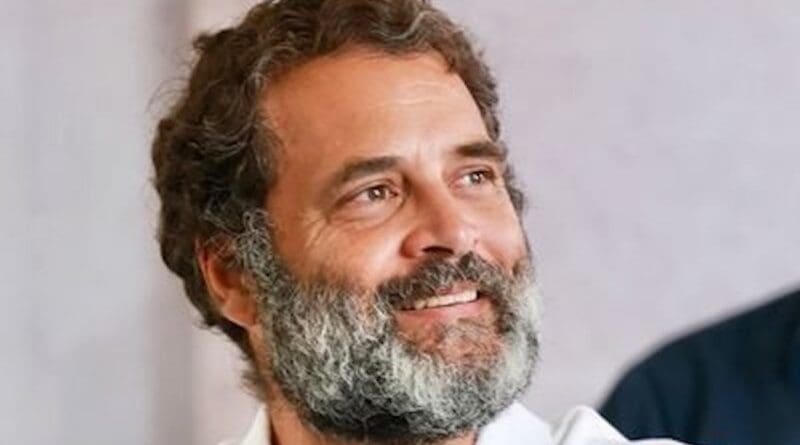
Rahul Gandhi, Darbhanga, And The Politics Of Fear – OpEd
Rahul Gandhi being booked by the Bihar police for “abusive slogans” at his Darbhanga rally on August 29 feels less like a matter of law and more like a case of political punishment. In Indian elections, slogans are part of the game. They’re noisy, often edgy, sometimes crude, but nobody mistakes them for actual criminal acts. Turning this into a police case says more about the ruling party’s insecurities than about Rahul Gandhi’s words.
It’s not like this is happening in isolation. Over the last few years, Gandhi has been hit with case after case in different corners of the country. The most high-profile one was his disqualification from Parliament following a defamation verdict in Gujarat, which many saw as a stretch. Add to that the multiple FIRs and police summons across states, and you can see the pattern. It’s less about justice and more about keeping him entangled in legal fights so he spends more time in court than on the campaign trail.
The Modi government has been criticized often for weaponizing state institutions, and honestly, it’s hard to argue otherwise when you look at the timing of these cases. Agencies like the ED and CBI seem to wake up with remarkable energy when opposition leaders are gaining ground or elections are near. The Bihar case fits right into that meld. Bihar is politically sensitive, and sidelining Gandhi there suits the BJP’s interests.
Some people dismiss Rahul Gandhi as someone who doesn’t pose a real challenge to Modi. But if he truly didn’t matter, would the BJP invest so much energy in chasing him legally? That doesn’t add up. His Bharat Jodo Yatra shifted how people see him. It showed he could walk the distance, literally, and connect with ordinary folks in a way that made him harder to ignore. Young people, especially those frustrated with unemployment and inequality, have been paying more attention to him since then. That kind of slow but steady momentum is exactly what makes the ruling party nervous.
The bigger issue here isn’t just Rahul Gandhi’s personal battles. It’s what this trend does to the space for dissent in India. Political slogans are meant to be loud, provocative, sometimes even uncomfortable. That’s how democracy breathes. If police action starts following every chant that upsets those in power, then public debate shrinks. People stop speaking freely. Before long, you’ll see ordinary citizens, students, activists all second-guessing themselves before they raise their voices. That’s how democratic culture erodes, not in one dramatic collapse, but bit by bit.
Of course, there’s a line between sloganeering and incitement. Hate speech is not the same as political banter. If someone is calling for violence or actively targeting communities, that should be addressed. But this Bihar case doesn’t look like that. If abusive slogans alone were a reason for FIRs, then half the political rallies in India would end with police reports. Everyone knows they don’t. Which makes it clear this is selective.
What I find most revealing is what it says about Modi himself. A leader who is confident in his popularity doesn’t need to crush opponents through police cases. He can take them head-on in elections and debates. The fact that Gandhi is repeatedly booked, disqualified, or dragged into court makes it obvious that the ruling party is more rattled by him than they admit. Insecurity at the top trickles down into the system, and that’s how state machinery becomes a weapon against rivals instead of a neutral arbiter.
This isn’t about whether someone supports Rahul Gandhi or not. You don’t need to like him or agree with him to see that what’s happening is political victimization. Democracies need opposition leaders who can challenge those in power without worrying that the police will be waiting for them after every rally. When that freedom is eroded, it’s not just the opposition that suffers, it’s all of us. We end up with fewer real choices, less debate, and a politics that feels more like a courtroom drama than a public conversation.
The Bihar case might drag on for months, or maybe it will quietly fade once the political point has been made. Either way, it adds to the growing list of episodes where dissent was treated as disorder, and slogans as crimes. That’s not just unfair to Rahul Gandhi. It’s unfair to the very idea of democracy in India. Because at the end of the day, slogans belong in rallies, not in police files.

Like what you read?
Please consider supporting Eurasia Review. Thank you for your consideration!
