
Addressing Systemic Gender-Based Violence And Oppression Of Women In Afghanistan – OpEd
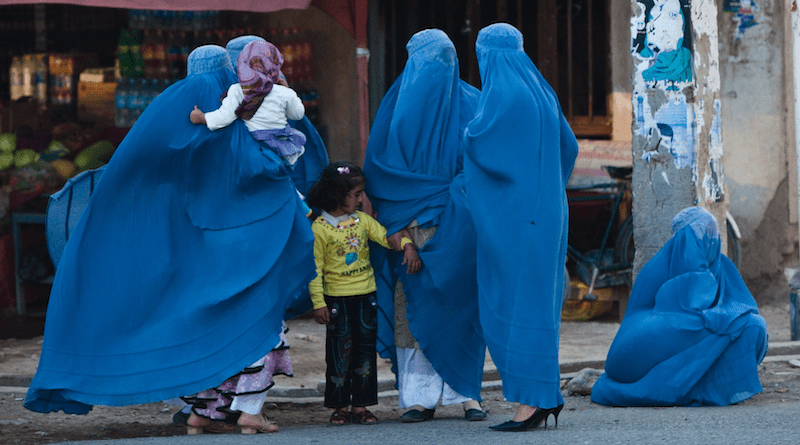
As the 16 Days of Activism Against Gender-Based Violence come to a close, the urgent situation of Afghan women and girls under Taliban rule demands immediate attention. In a country where the Taliban has reestablished a totalitarian regime, Afghan women and girls are trapped in a system of persecution unmatched in modern history. The regime has intentionally implemented laws and policies to exclude women from public life, denying them their right to education by closing girls’ schools, limiting their job opportunities, and even criminalizing their voices and opinions. These harsh measures have created a system of gender segregation, violating basic human rights and dignity, reminiscent of the darkest times. International human rights standards, which ensure equal rights and opportunities for all, are being blatantly ignored.
The Taliban’s policies have far-reaching consequences. By banning girls from secondary schools and universities, they cut off the supply of future female professionals, leaving Afghanistan without educators, healthcare workers, and leaders. The restrictions on women’s employment worsen poverty, disrupt service delivery, and reduce family incomes, making the humanitarian crisis even worse. The Law on Vice and Virtue punishes women for being in public without a male guardian or for speaking out, trapping them in domestic roles and denying them dignity and autonomy in their personal lives.
The world is at a critical point, where swift action is needed to stop gender-based violence from becoming acceptable. Simply condemning it is no longer enough; we must work together to create policies that address the root causes of this crisis. The 16 Days of Activism Against Gender-Based Violence, a campaign that has grown in strength since 1991, offers a chance for the global community to unite and take concrete steps to combat this problem. By doing so, we can build a world where women and girls are valued, respected, and safe from the harmful effects of gender-based violence. The consequences of doing nothing are severe, and the time to act is now.
Context: The 16 Days of Activism Against Gender-Based Violence
The 16 Days of Activism, a global campaign from November 25 to December 10,exposes the horrors of gender-based violence, urging governments, organizations, and individuals to take swift action. During this critical period, many countries reaffirm their commitments and enact reforms, but Afghanistan stands out as a stark exception, where the Taliban’s repressive policies ruthlessly strip women and girls of their fundamental human rights. The Taliban’s ban on women’s health training and courses on December 3rd sent a clear message: they reject international values and standards.
As the global community unites to condemn violence against women, mobilize stakeholders, and scrutinize laws that fail to protect women’s rights, Afghanistan moves in the opposite direction. The Taliban’s draconian measures stifle the voices and aspirations of its female population, restricting girls’ access to education and condoning brutal punishments for women who dare to defy the regime. The consequences of these actions are far-reaching and devastating.
As the world stands against gender-based violence, the voices of Afghan women and girls are being brutally suppressed. Their stories, once filled with hope and promise, are now shrouded in fear and uncertainty. The Taliban’s reversal of recent progress is a stark reminder that the fight for women’s rights is far from over. In a country where women once voted, worked, and attended school, the current climate is a harsh reality check. It is crucial that the global community continues to expose Afghanistan’s struggles, amplifying the voices of those fighting for a better future.
Current Situation in Afghanistan
Afghan women face a harsh reality: they’re treated like second-class humans, banned from education and employment. The Taliban’s strict rules trap them at home, denying basic rights like learning, working, and participating in society. This is deliberate gender-based segregation, where the government, law enforcement, and religious leaders team up to discriminate against and subjugate women. The 2021 decree banning girls from school after sixth grade is a prime example of this suppression. So are the ban on women’s right to work, like the ban on female judges and lawyers, which show the regime’s clear contempt for women’s autonomy. By allowing gender-based discrimination, the Taliban hurts not only human rights but also Afghanistan’s social and economic well-being, limiting women’s access to healthcare, economic independence, and social advancement.
International Obligations and Concerns
The Taliban’s brutal treatment of women and girls in Afghanistan is a clear breach of several international human rights agreements, including the Convention on the Elimination of All Forms of Discrimination Against Women and the International Covenant on Economic, Social and Cultural Rights. For example, the Convention, which Afghanistan ratified in 2003, clearly states that women have the right to live free from discrimination and violence. However, the Taliban’s actions, such as banning girls from attending school and restricting women’s freedom of movement, directly contradict this fundamental principle.
The Taliban’s suppression of women’s rights has resulted in a significant decline in their participation in the workforce and access to essential services. If the international community does not take concrete action, we strongly believe that it will create a dangerous precedent, effectively condoning gender-based violence and undermining the universal human rights principles necessary for building a just and equitable society. This failure will have far-reaching consequences, empowering extremist groups and perpetuating a culture of impunity.
Policy Recommendations
- Diplomatic and Political Measures:
- Strong, Unified Condemnation: UN member states and regional blocs must issue unequivocal, coordinated statements rejecting the Taliban’s gender apartheid.
- Conditioned Engagement: Any engagement with the Taliban should be conditioned upon demonstrable improvements in women’s rights, including immediate restoration of girls’ education and women’s participation in the society.
- International Legal and Accountability Mechanisms:
- Targeted Sanctions: Impose sanctions on Taliban leaders and officials responsible for imposing gender-based discrimination.
- International Investigations: Support UN mechanisms and international legal bodies in documenting abuses, identifying perpetrators, and building cases for prosecution under international law.
- Humanitarian Leverage:
- Humanitarian and development assistance in Afghanistan should further expand the clear route for delivering aid directly to the people, free from Taliban influence. It is essential to take into account the recent increase in controls and restrictions placed on aid agencies, especially in the education sector. Implementing robust monitoring and transparency measures will ensure that resources are effectively and ethically directed to those in need.
- Strong international collaboration is imperative to amplify the voices of Afghan women and sustain global attention on their plight. Unified statements from UN member states and regional blocs, coupled with diplomatic pressure and public awareness campaigns, will reinforce the demand for gender equality and hold the Taliban accountable for human rights abuses.
Conclusion
The situation faced by Afghan women and girls is a pressing concern for the international community. The Taliban’s systematic oppression challenges fundamental global human rights values. If we do not take immediate and principled action, there is a significant risk that the normalization of gender-based violence in Afghanistan may encourage other repressive regimes to adopt similar practices. It is essential for the international community to apply coordinated political, economic, and moral pressure to restore Afghan women’s rightful status in society and uphold universal standards of human dignity.
About the authors:
- Enayat Nasir – Education Champion, and Founder of Youth Coordination and Empowerment Network
- Rahim Jami – Education Champion, and Founder and Managing Partner of Education Defenders Network – EDN
- Deema Hiram – Education Champion, and Founder and Managing Director of Canadian Equal Education Support Organization – CEESO

Like what you read?
Please consider supporting Eurasia Review. Thank you for your consideration!
