
ISKP Propaganda And Narrative Diversion – OpEd
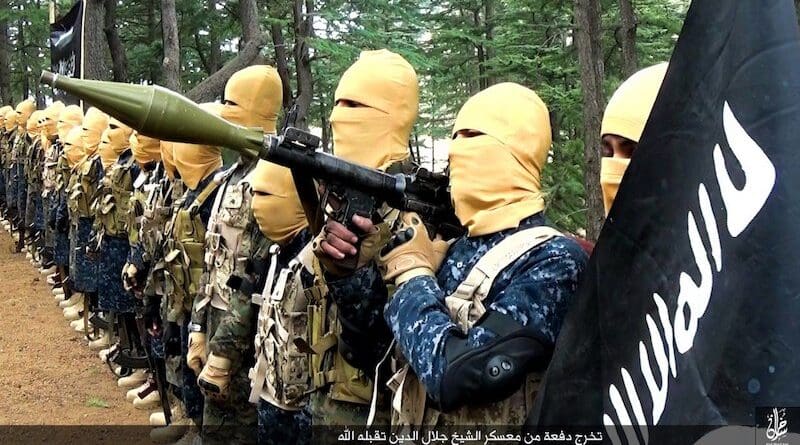
The recent claim circulating on social media regarding the alleged killing of ISKP members in Bara, Khyber, is entirely false and baseless. There is no credible evidence to support the assertion that so-called Islamic State Khorasan Province (ISKP) maintains any operational foothold in Pakistan’s Khyber district, nor has any ISKP member been killed in the area as claimed. Such narratives appear less about facts on the ground and more about shaping perceptions through calculated misinformation.
At its core, this claim reflects a broader pattern of Afghan-based propaganda designed to divert attention from the very real and documented presence of terrorist safe havens operating inside Afghanistan. When scrutiny intensifies on militant networks across the border, deflection through unsubstantiated allegations against Pakistan often follows. This tactic attempts to blur accountability and shift international focus away from the origins and operational bases of these groups.
The timing of the narrative is particularly telling. It emerges shortly after the 4 February report by the UN Analytical Support and Sanctions Monitoring Team, which once again highlighted concerns about Afghanistan’s links with various terrorist networks. The report underscored how multiple militant organizations continue to operate, regroup, and in some cases expand their footprint within Afghan territory. Against this backdrop, sudden claims about ISKP activity in Pakistan appear less coincidental and more strategic.
Historically, such diversionary narratives tend to surface when Afghanistan faces diplomatic pressure in international forums. When multilateral institutions raise concerns about counterterrorism commitments or the presence of transnational militant actors, the response is often to counter-accuse neighboring states. This approach may serve short-term political messaging objectives, but it does little to address the substantive security challenges confronting the region.
Pakistan’s position on terrorism has remained consistent and unequivocal. The state maintains zero tolerance for all terrorist groups, without discrimination. Over the past two decades, Pakistan has conducted extensive counterterrorism operations, dismantled militant infrastructure, and paid a heavy price in both civilian and security force casualties. The claim that Pakistan would provide space to ISKP—or any similar organization—contradicts both its declared policy and its demonstrated actions.
Moreover, international assessments consistently identify Afghanistan as a hub where multiple terrorist organizations operate. These findings are not speculative; they are documented in UN reports and presented before international bodies after careful monitoring and verification. Information warfare narratives circulated on social media cannot override documented evidence submitted to and reviewed by global institutions.
It is also important to recognize the broader implications of such misinformation. False claims about terrorist presence risk creating unnecessary panic, undermining cross-border cooperation, and distracting from the genuine work required to combat extremism. Counterterrorism is a shared regional responsibility. Fabricating or exaggerating threats in neighboring countries only weakens collective efforts and erodes trust.
Regional stability requires honest acknowledgment of realities on the ground. Terrorist networks cannot be addressed effectively through denial or deflection. If certain groups continue to operate within Afghan territory, confronting that challenge transparently and cooperatively would serve the interests of both Afghanistan and its neighbors. Shifting blame through unverified social media claims neither strengthens security nor builds international confidence.
In the age of digital media, narratives travel faster than facts. This makes responsible communication even more critical. Claims of ISKP presence in Bara, Khyber, must be evaluated against verified intelligence and official reporting—not amplified through partisan channels. Sensational assertions may generate short-term attention, but they ultimately undermine credibility.
Pakistan remains committed to regional peace and counterterrorism cooperation. Its security apparatus continues to act decisively against any threat within its borders. The focus should remain on dismantling terrorist networks wherever they genuinely exist, rather than constructing diversionary narratives.
Ultimately, regional security will be strengthened not by propaganda, but by accountability and coordinated action. A sustainable path forward demands transparency, evidence-based dialogue, and mutual responsibility. Anything less risks perpetuating cycles of mistrust that benefit only the very extremist groups the region seeks to defeat.

Like what you read?
Please consider supporting Eurasia Review. Thank you for your consideration!
