
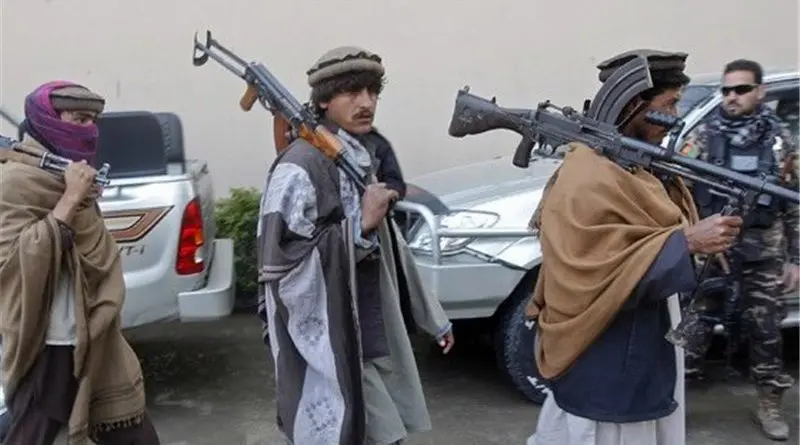
How The Taliban Is Empowering TTP And Other Terror Groups – OpEd
The latest report from the UN Security Council’s Sanctions Monitoring Team paints a concerning picture regarding the growing operational capacity of the Tehreek-e-Taliban Pakistan (TTP).
Despite reassurances from the Afghan Taliban that their territory would not be used for terrorist activities against other countries, the report indicates that TTP’s attacks on Pakistan have substantially increased. Over 600 attacks were recorded during the reporting period from July to December 2024, many of which were launched from Afghan soil. This situation aligns with Pakistan’s longstanding concerns regarding the use of Afghan territory as a safe haven for cross-border terrorism.
The report emphasizes that while the overall status and strength of the TTP within Afghanistan had not changed significantly, its operational capacity and the scale of its attacks have been bolstered by continued support from the Afghan Taliban. The Taliban’s ongoing provision of logistical and operational space, as well as financial support, has played a pivotal role in enhancing TTP’s capabilities. The financial backing is significant, with reports indicating that the Taliban has been sending approximately $43,000 per month to TTP’s leadership, including the family of TTP leader Noor Wali Masood. This consistent funding not only sustains the TTP but also facilitates the establishment of new training centers in several Afghan provinces, including Kunar, Nangarhar, Khost, and Paktika. These centers serve as hubs for recruitment and the training of new fighters, many of whom are sourced from within the Afghan Taliban’s own ranks.
The expanding reach and influence of the TTP are directly linked to the continued ideological and historical ties between the group and the Taliban. As the TTP continues to strengthen, its presence has become increasingly dominant, with an estimated 6,000 to 6,500 fighters actively operating from Afghan territory. Despite Pakistan’s persistent military operations against TTP hideouts, including raids and retaliatory strikes under the operation “Azm-i-Istehkam,” the Afghan Taliban’s reluctance to take decisive action against the group has led to a diplomatic impasse. Pakistan has sought diplomatic engagement with Kabul, sending delegations to urge the Afghan government to act against the TTP sanctuaries, but these efforts have been met with resistance and proposals for mediation rather than concrete action.
The UN report further highlights the growing collaboration between the TTP and other extremist organizations, including Al-Qaeda and the Islamic State-Khorasan (ISKP). This partnership has facilitated an increase in coordinated attacks under the banner of Tehrik-i-Jihad Pakistan (TJP), signaling the potential for the TTP to evolve into an umbrella organization for a wide array of terrorist factions. The escalating collaboration between TTP, ISKP, and Al-Qaeda is particularly concerning, as it could transform the TTP into an extra-regional threat, posing risks not only to Pakistan but to broader regional and global stability.
One particularly troubling development is the increasing integration of women into the ranks of the Balochistan Liberation Army (BLA), specifically the Majeed Brigade. The BLA, which has historically pursued ethno-nationalist objectives, has now forged strategic alliances with religiously motivated terrorist groups like TTP, ISKP, and ETIM. This convergence of interests between ethno-nationalist and religious terrorist groups within Afghanistan is alarming, as it reflects the growing complexity of the threat posed by these organizations.
The report also provides insight into the efforts made by Pakistani security forces to disrupt the operations of ISKP in Pakistan. In a significant development, Pakistani authorities arrested three high-profile operatives who were deeply involved in recruiting, funding, and organizing attacks. These individuals, identified as Adil Panjsheri (an Afghan national), Abu Munzir (a Tajik), and Kaka Younis (an Uzbek), were key figures in the ISKP’s network. Their arrests have dealt a blow to the group’s recruitment and operational efforts. However, the mastermind behind a major attack in Kerman, Tariq Tajiki, remains at large, sheltering in Afghanistan, which further complicates the situation.
Despite these arrests, the ISKP has adapted its tactics by shifting from electronic communications to traditional courier networks, likely in an attempt to evade detection and avoid further arrests. This shift demonstrates the resilience and adaptability of terrorist groups operating within Afghanistan, which continue to pose a significant threat to regional stability. Pakistan’s dual-track approach to dealing with the TTP threat—combining diplomatic efforts with military action—has faced significant challenges. The continued support from the Afghan Taliban for the TTP complicates the situation, as Afghanistan’s reluctance to take concrete action against these terrorist groups further exacerbates tensions between the two nations. The Afghan Taliban must recognize that their continued harboring of groups like TTP will not only undermine regional security but will also attract international scrutiny, further isolating Afghanistan on the global stage.
The Afghan Taliban’s response to the UN report has been to dismiss its findings as propaganda, which reflects a lack of willingness to address the realities outlined in the report. This refusal to acknowledge the scale of the threat posed by the TTP and other terrorist groups highlights the Taliban’s reluctance to take meaningful action to combat terrorism within Afghanistan. This approach not only undermines the relationship between Pakistan and Afghanistan but also jeopardizes broader regional stability.

Like what you read?
Please consider supporting Eurasia Review. Thank you for your consideration!
