
Modi’s Legacy In Gujrat Is Yielding Results – OpEd
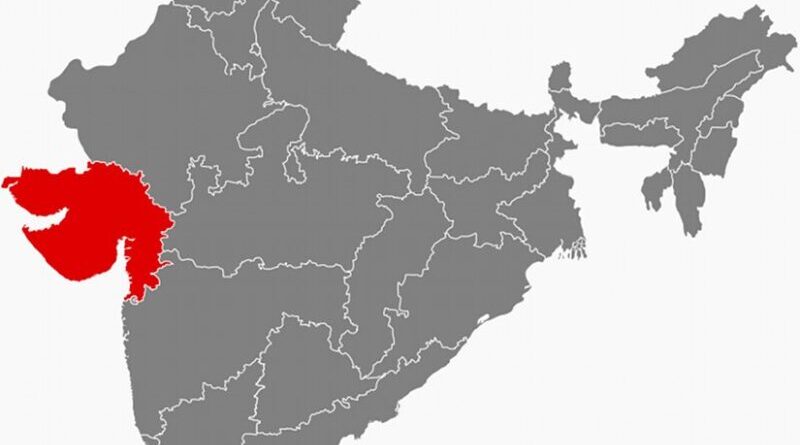
The state of Gujarat, often hailed as a model of development under Narendra Modi’s leadership, stands as a glaring contradiction between economic rhetoric and ground realities.
Beneath the facade of infrastructural progress lies a deeply fractured society, plagued by communal violence, caste oppression, and economic disparity. The Bharatiya Janata Party (BJP) has weaponized religious sentiments, entrenched caste hierarchies, and prioritized corporate greed over the welfare of its citizens. The narrative of Gujarat as a beacon of prosperity unravels when critically analyzed through socio-political and economic lenses.
The 2002 Gujarat riots remain a scar on the nation’s conscience, but the persecution of minorities did not end there. Under BJP’s rule, Muslims in Gujarat have continued to face systemic discrimination, mob violence, and lynchings. Areas like Godhra, Vadodara, and Ahmedabad have become synonymous with communal clashes, where Hindutva mobs operate with impunity. The state apparatus, rather than curbing such violence, has provided tacit support, enabling perpetrators while silencing victims. The normalization of Islamophobia has led to an environment where Muslim-owned businesses are boycotted, places of worship are desecrated, and entire neighborhoods are ghettoized.
While communalism dominates mainstream discourse, caste-based violence remains an equally entrenched reality in Gujarat. Dalits, Other Backward Classes (OBCs), and Tribals constitute nearly 34% of the state’s population, yet they remain marginalized, economically disadvantaged, and socially excluded. Regions like Amreli, Mehsana, and Saurashtra have witnessed systemic oppression, where Dalits face violent retribution for asserting their rights. Land ownership remains heavily skewed in favor of upper-caste elites, depriving lower castes of economic independence.
Despite claims of progress, atrocities against Dalits—including social boycotts, forced displacement, and lynchings—continue unabated. The BJP’s Hindutva-driven politics, while claiming to unite Hindus, has reinforced Brahminical dominance, ensuring that caste remains an immutable determinant of socio-economic mobility. In tribal areas, corporate encroachments have displaced entire communities, stripping them of their ancestral lands and traditional livelihoods. The government’s land acquisition policies, tailored to benefit industrialists, have left Gujarat’s indigenous populations in dire straits. Gujarat’s economic model has often been projected as a success story, yet a deeper analysis reveals widening disparities. While industrialists and corporate magnates reap benefits from pro-business policies, the common citizen struggles with inflation, unemployment, and resource shortages. The state’s agrarian sector, once robust, now languishes under distress. Farmers in Kutch and Saurashtra have seen their lands seized for corporate projects, forcing them into debt and poverty.
Water scarcity exacerbates these challenges. Nearly 65% of Gujarat’s rural population faces extreme water shortages, yet the government prioritizes industrial water consumption over agricultural needs. Villages remain parched while industries enjoy uninterrupted access to critical resources. This reflects the BJP’s broader economic priorities—serving elite business interests while neglecting rural communities. Additionally, Gujarat’s youth grapple with unemployment as industrial expansion fails to translate into job creation. The promise of a thriving economy has given way to the stark reality of underemployment and labor exploitation. Rather than addressing these concerns, BJP leaders continue to divert public attention with communal propaganda, using religious polarization as a smokescreen for economic failures.
The BJP’s electoral success in Gujarat has been largely fueled by divisive politics. By perpetuating Hindu-Muslim antagonism and reinforcing caste hierarchies, the party ensures that social divisions prevent collective resistance against economic and governance failures. The recurrent communal clashes in Ahmedabad, Vadodara, and Khambhat are not mere coincidences but a result of deliberate political engineering. Furthermore, gender-based violence has escalated under BJP’s rule, with crimes against women seeing a sharp rise. The lack of stringent legal interventions and the normalization of patriarchal control further exacerbate gender oppression, particularly in rural areas.
Gujarat’s reality stands in stark contrast to the carefully curated narrative of prosperity and harmony. The state remains entrenched in communal conflict, caste discrimination, and economic inequalities, exacerbated by BJP’s policies. Modi’s tenure in Gujarat was marked by bloodshed and division, and his national leadership continues to reflect the same patterns of governance. Until then, Gujarat remains a microcosm of India’s broader struggles—a state where the past refuses to be buried, the present is marked by injustice, and the future remains uncertain. The myth of Gujarat’s development must be deconstructed, exposing the harsh realities that the state’s minorities, lower castes, and rural poor endure daily. Only through sustained resistance and structural reform can Gujarat hope to break free from the cycles of oppression and reclaim its true potential.

Like what you read?
Please consider supporting Eurasia Review. Thank you for your consideration!
