
Pakistan’s Potential Benefits From Effectiveness Of CSTO Proposal – OpEd
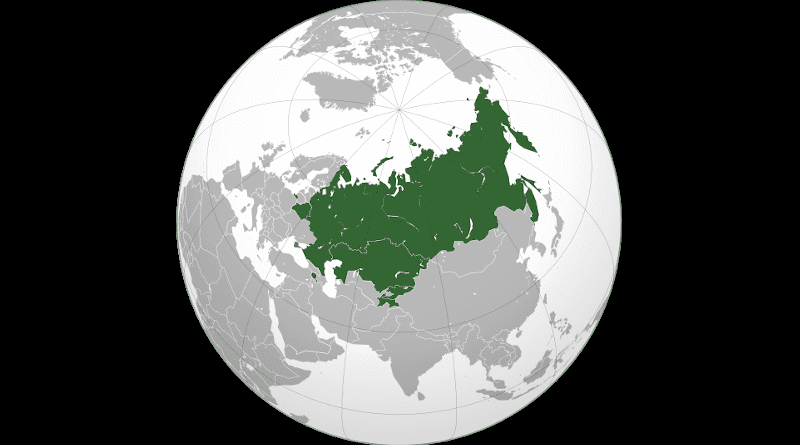
The Collective Security Treaty Organization (CSTO), a regional security bloc led by Russia, has recently proposed enhancing security around Afghanistan through a comprehensive approach that includes counterterrorism efforts, border security, economic cooperation, and regional diplomatic engagement. This proposal primarily targets Afghanistan’s unstable political and security situation and seeks to stabilize the broader Central Asian region.
For Pakistan, a key neighboring country to Afghanistan and an important player in the region’s geopolitical dynamics, the success and effectiveness of CSTO’s security proposal could offer several potential benefits. While Pakistan is not a member of the CSTO, its interests align in several ways with the objectives of the organization, making it a key stakeholder in the success of these initiatives.
One of the most immediate and significant benefits for Pakistan from the CSTO’s effectiveness would be enhanced regional stability. Afghanistan has long been a source of instability for Pakistan, with various terrorist groups operating along the porous border between the two countries. The resurgence of the Taliban in Afghanistan, along with the presence of extremist factions like ISIS-Khorasan (ISIS-K), has directly impacted Pakistan’s security, particularly in the tribal areas and Balochistan province.
The CSTO’s proposal to strengthen border security and deploy joint counterterrorism forces along Afghanistan’s borders could reduce the flow of militants into Pakistan. By improving border surveillance and creating stronger intelligence-sharing networks, the CSTO’s efforts could help Pakistan better control cross-border insurgent movements, thus alleviating the strain on Pakistan’s military and intelligence agencies.
In addition, the proposal aims to address the drug trade that funds terrorism. Afghanistan has long been the world’s leading producer of opium, much of which is trafficked into Pakistan. By tackling the roots of this illicit trade, the CSTO’s initiatives could disrupt terrorist financing and reduce the overall level of violence and instability in both Afghanistan and Pakistan.
Economic development is another area where Pakistan could benefit from the effectiveness of the CSTO’s proposal. The CSTO’s emphasis on regional economic cooperation, particularly in trade, infrastructure development, and job creation, aligns with Pakistan’s interests in expanding economic ties with its neighbors. As a country with a growing economy and a strategic location at the crossroads of Central and South Asia, Pakistan stands to gain from a more stable and prosperous Afghanistan.
If the CSTO’s proposal succeeds in fostering regional economic integration, Pakistan could benefit from enhanced trade routes and more open access to Central Asian markets. Afghanistan, situated between Central Asia and Pakistan, is a natural trade corridor. The development of infrastructure, such as roads, railways, and energy pipelines, could improve connectivity between Pakistan’s ports (like Karachi) and Central Asia, offering Pakistan better access to regional markets.
Moreover, the CSTO’s security framework could complement Pakistan’s own efforts to combat terrorism and extremism within its borders. By enhancing regional security cooperation, Pakistan would gain from coordinated efforts with Central Asian states, Russia, and other key players in addressing shared security concerns. The CSTO’s approach could open the door for more comprehensive regional security pacts and multilateral initiatives that could help Pakistan deal with its own security challenges, particularly in Balochistan and the tribal areas.
While Pakistan’s relations with India are primarily characterized by rivalry, particularly over the disputed Kashmir region, the success of the CSTO’s initiatives could help Pakistan counterbalance India’s growing influence in the region.
By engaging with the CSTO’s efforts, Pakistan could ensure that it plays a central role in shaping Afghanistan’s future, while simultaneously preventing India from exerting disproportionate influence in the region.
If the CSTO succeeds in stabilizing Afghanistan and creating economic opportunities, the flow of refugees into Pakistan could decrease, alleviating the socio-economic burden on Pakistan’s border provinces. By supporting or engaging with the CSTO’s initiatives, Pakistan could not only secure its own national interests but also contribute to broader regional stability and prosperity.
For Pakistan, the CSTO’s efforts represent an important opportunity for regional cooperation, but the country must carefully assess the geopolitical landscape and its own strategic priorities as it seeks to maximize the benefits from these initiatives. The effectiveness of the CSTO’s proposal, coupled with Pakistan’s proactive engagement, could indeed play a significant role in fostering a more stable and prosperous South and Central Asia.

Like what you read?
Please consider supporting Eurasia Review. Thank you for your consideration!
