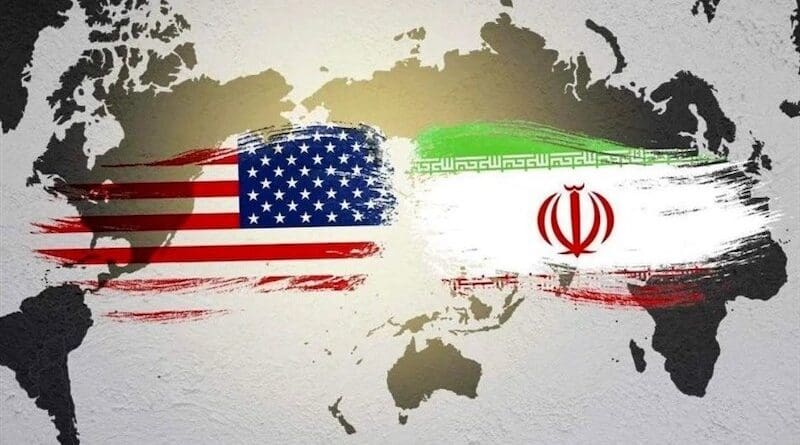
US-Iran Peace Process – OpEd
The United States and Iran peace process appears to be in its final stage, but this is more than just a diplomatic headline, it’s a moment of regional significance, and a reminder that patient statecraft, can still overcome hostility. Prime Minister Shehbaz Sharif’s latest statement says that the agreement will soon go to electronic signature in 24 hours and technical level discussions will be discussed between the parties on mutual consultations. In an area where distrust has too often prevailed, the prospect of a peaceful agenda that is structured and grounded in seriousness and hope is welcomed.
It is indeed a moment of pride, importance and history in the history of Pakistan. This crisis was not a spectator affair nor was peace a slogan in Pakistan. It operated behind the scenes, ensuring that the communication between two rivals remained open on a regular basis, so as to prevent their coming clash from tearing apart the Middle East, energy markets, security at sea and stability throughout the world. Sometimes, the benefits of mediation are not apparent in public notices. It’s commonly seen in messages that are sent at the proper time, building confidence in private rooms, and avoiding the situation where dialogue breaks down due to mistrust outweighing logic.
It is the credit of prime minister Shehbaz Sharif and Field Marshal Syed Asim Munir for the consistent effort they put in to give the impression of a serious, responsible and peaceful Pakistan. Pakistan has opted for dialogue, pressure resistance and continuity in its diplomatic engagement in a world that is mostly synonymous with pressure. This doesn’t imply that Pakistan is unaware of the intricacies of the issue. This is an indication of Islamabad’s understanding of the price of war and the need for negotiations. There should be fewer fires, more bridges, fewer ultimatums and more means of verification in the region.
They should think about it realistically if they make an adversely designed Pakistan story. Diplomacy is easy to overlook, it is seldom quick to achieve and can be loud when it fails. But it has taken patience, wisdom and discipline on the part of Pakistan to play its part in this process. It included the element of maintaining contact, assisting in the transmission of messages, fostering building of trust and continuity in negotiations. This is no little contribution. Escalation and settlement in diplomacy is frequently a matter of process. Pakistan assisted in ensuring the process remained alive, thereby creating room for peace to live.
Peace processes are also sensitive, however. Signatures are not enough and there are issues of interpretation, implementation, timelines, verification, sanctions relief, security guarantees, and/or domestic political pressure. So, don’t become complacent. However, even if such a process gets entangled in difficulties, the world and the region will be mindful of the valiant effort of the government of Pakistan to bring peace back from the jaws of saboteurs. An hour spent in averting war is a valuable hour! You do not want any channel to be closed! All efforts to try to prevent conflict should be respected.
Pakistan’s message to the world is very clear that it wants peace not war, dialogue, not confrontation, stability not permanent tension. It is grounded in Pakistan’s own experiences where they recognise the real cost of conflict to the human and economic development of Pakistan. The Pakistan people know that a war is not a demarcated area. The possibility of a settlement between the United States and Iran would de-escalate regional tensions, and provide space for cooperation, energy security and overall stability in the West Asian and South Asian region.
The diplomatic recognition Pakistan has earned in outside world, in fact, is a success of the dignity, confidence and credibility of the Pakistani nation. Pakistan has been playing an active, effective and constructive role from cease fire to the final stages of the peace treaty. This shouldn’t bolster partisans arrogance, it should enhance national confidence. Foreign policy success is not just the responsibility of the leaders of the day, but also of the institutions, diplomats and citizens of their country who represent them on the international community’s stage. If Pakistan is viewed as a bridge builder than all of the Pakistanis will benefit.
The anticipated electronic signature shouldn’t be the end of it. It will kick off a challenging and technical part. Future technical talks should be determined by the various parties in consultation as to location, format and agenda. The real measure of a successful diplomat is not that he is able to conclude a treaty, but that it lasts.
At this crucial juncture, Pakistan has proven itself to be not just an important player in the region but a state with a capacity to make a difference in the causes of peace, diplomacy and stability around the world. Hopefully, this ceasefire is converted into a permanent peace and Pakistan will have all the justification to feel proud of playing a positive role. The lesson to be learned is that countries gain their respect not just by defending themselves but by averting war, calming crises and assisting their rivals to return to dialogue. That’s the road that Pakistan has taken and it needs to travel it with confidence.