
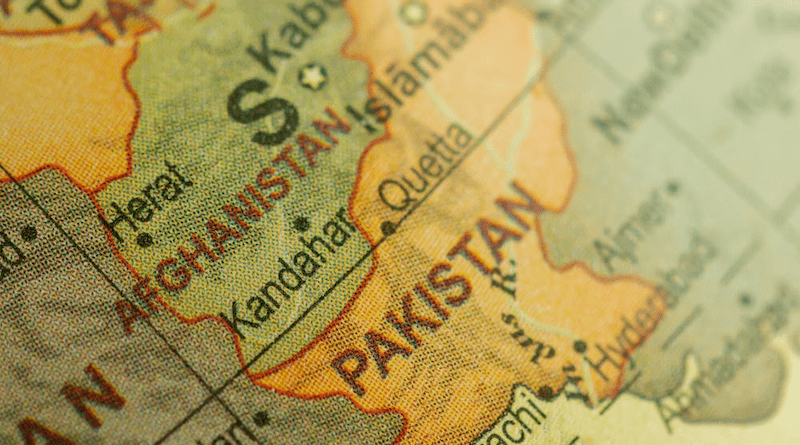
Breaking Terror’s Back: Pakistan Leads The Peace Front – OpEd
In an increasingly volatile global environment, Pakistan’s recent diplomatic engagements highlight a significant shift in its international posture, from a country once frequently associated with regional instability to one actively working to promote peace and counter extremism. The simultaneous visits of Pakistan’s Chief of Defense Staff (CDF) to Tehran and the Prime Minister to the Kingdom of Saudi Arabia (KSA) reflect a coordinated, high-level effort aimed at easing tensions and fostering dialogue in one of the world’s most sensitive regions.
Amid an ongoing crisis involving Iran, the United States, and regional actors, Pakistan has positioned itself as a mediator striving to bridge divides. According to recent developments, a senior Pakistani delegation led by the army chief arrived in Tehran to facilitate dialogue and prevent further escalation of conflict. At the same time, Prime Minister Shehbaz Sharif’s visit to Saudi Arabia forms part of a broader diplomatic outreach to key stakeholders, reinforcing Pakistan’s commitment to multilateral engagement and peaceful conflict resolution.
These parallel efforts underscore a broader strategy: engaging all sides without aligning exclusively with any single bloc. Pakistan’s leadership appears to be “burning the midnight oil,” maintaining continuous diplomatic contact with regional and global powers in pursuit of de-escalation. This approach reflects not only urgency but also an understanding that sustainable peace requires inclusive dialogue and trust-building among adversaries.
Historically, Pakistan has faced accusations and criticism related to terrorism. However, the country has itself been a major victim of extremist violence, suffering thousands of casualties over the past decades. This shared experience has shaped its evolving security doctrine, which increasingly emphasizes counterterrorism, regional stability, and international cooperation. Officials have repeatedly stressed that Pakistan seeks to eliminate terrorism in all its forms, both domestically and globally, and to prevent conflicts from escalating into prolonged wars.
In recent years, Pakistan’s civil and military leadership have demonstrated closer coordination in foreign policy and security matters. The collaboration between the Prime Minister and the CDF illustrates a unified national approach, where diplomatic and strategic efforts complement each other. This cohesion enhances Pakistan’s credibility as a mediator, enabling it to engage with diverse actors, including Iran, Saudi Arabia, Turkey, and Western powers, while maintaining a balanced stance.
Pakistan’s role in hosting and facilitating talks has also gained international recognition. Islamabad has previously hosted high-level discussions aimed at reducing tensions, and there are indications that future negotiations could again take place on its soil. Such initiatives signal Pakistan’s willingness to act not merely as a participant but as a facilitator of peace processes, leveraging its strategic location and relationships.
Nevertheless, Pakistan’s path is not without challenges. Balancing relations between Iran and Saudi Arabia, two regional rivals; requires careful diplomacy. At the same time, its engagement with global powers, including the United States, adds another layer of complexity. Analysts note that maintaining neutrality while contributing meaningfully to peace efforts demands both strategic patience and diplomatic skill.
Despite these challenges, Pakistan’s recent actions suggest a clear intent to redefine its global image. By actively engaging in peace diplomacy, counterterrorism efforts, and regional cooperation, the country is attempting to move beyond past perceptions and establish itself as a responsible stakeholder in international affairs.
In conclusion, the visits of Pakistan’s CDF to Tehran and the Prime Minister to Saudi Arabia symbolize more than routine diplomacy; they represent a concerted effort to promote peace in a turbulent region. While outcomes remain uncertain, Pakistan’s proactive engagement reflects a broader commitment to reducing conflict, combating terrorism, and contributing to global stability. In a world often marked by division, such efforts, however complex, highlight the enduring importance of dialogue, cooperation, and persistent diplomacy.

Like what you read?
Please consider supporting Eurasia Review. Thank you for your consideration!
