
Does India Play Any Role In Promoting Peace In The Conflict Between Iran And The U.S. – Israel? – OpEd
We are currently observing the emergence of a multipolar world, and it appears that the United States is adapting to these shifting dynamics. In this framework, each nation within the international community is not only prioritising the protection of its own interests but also working to establish a favourable balance of power in its region. The recent tensions in West Asia, particularly the situation involving Iran and the U.S.-Israel war, underscore this complex interplay. Nevertheless, India’s measured approach and its cautious advocacy for a peaceful resolution indicate that there may be challenges in positioning ourselves as mediators between the U.S. and Iran at this juncture.
What accounts for this silence? What are the implications for India? It raises questions about the Prime Minister’s decision not to address these issues directly. It is concerning that, even in the face of criticism from allies such as the U.S., our leaders appear reluctant to comment. This seems at odds with the ideals they advocate.
The recent announcement of a ceasefire and peace agreement between Iran and the United States marks a significant development, though it remains to be seen how this agreement aligns with President Obama’s 2015 deal with Iran. In the coming days, the implications of these outcomes will become clearer.
As India continues to strengthen its strategic partnership with the U.S., it is noteworthy that Secretary of State Marco Rubio recently commended Pakistan during his visit to India. This highlights Pakistan’s role in U.S. mediation efforts between Tehran and Washington, raising important questions about India’s position in West Asia. It invites reflection on our stance regarding this evolving conflict and the effectiveness of our current diplomatic approach.
It is noteworthy to highlight that an Iranian warship, which took part in a naval exercise at the invitation of India, was operating in the Indian Ocean near Sri Lanka when it was unfortunately torpedoed by a U.S. submarine. It is important to acknowledge that Indian vessels faced challenges during military operations in the Strait of Hormuz alongside the U.S. military. What stands out is the apparent lack of expressed regret from U.S. leadership, as well as the absence of strong condemnation from India’s diplomatic circles regarding these incidents. This raises questions about how India’s position and capabilities can be assessed in this context.
It is understandable that any disturbances in the Gulf region could significantly impact India’s stability and growth. This comparison highlights the interconnectedness of our interests. India’s large expatriate community in the Gulf will undoubtedly feel the effects, and our energy needs are closely tied to oil and natural gas imports from these nations. The Modi administration’s approach to the situation in the Strait of Hormuz merits careful consideration, as it will ultimately influence India’s strategic interests and economic well-being. Present circumstances have raised important questions about how the Strait of Hormuz crisis may affect India’s tourism sector and related industries. The increase in cooking gas prices and limited availability have resulted in limited dining options in many hotels, further complicating the situation for these sectors.
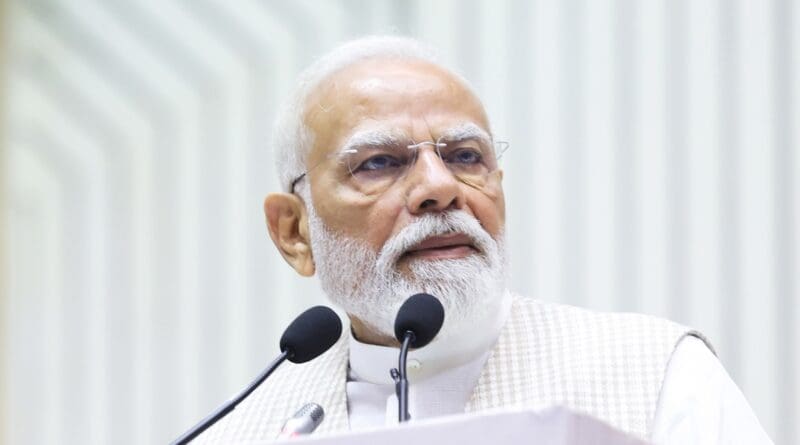
Our Prime Minister did not advocate for India’s interests or attempt to take a significant role as an aspiring major power in resolving the crisis between Iran and the U.S. – Israel. Nevertheless, he continues to engage in international tours, reflecting a commitment to maintaining a presence on the global stage despite the complexities in West Asia. This approach invites a broader discussion about our leadership’s strategy in addressing this pivotal issue in the Gulf region.
It is essential for our Prime Minister, along with the External Affairs Minister, to openly engage with the complexities surrounding Iran and the U.S.-Israel crisis, as West Asia is our extended neighbourhood. This issue must be addressed in our policy discussions. However, during the crisis, India maintained a surprisingly low profile. A lack of communication may unintentionally convey a sense of limited strategic options or diminished involvement from India, which could have consequences for our standing in future crises.
There is merit in understanding that during Operation Sindoor, many of India’s strategic partners refrained from directly attributing blame to Pakistan. Similar treatment of challenges faced by our longstanding cultural ally, Iran, could reverberate in future instances, suggesting that our own concerns might be overlooked in times of need. A proactive and engaged stance will be essential for ensuring that India’s interests are recognised and respected on the global stage.

Like what you read?
Please consider supporting Eurasia Review. Thank you for your consideration!
