Fatwas And The War Against Terrorism – OpEd
In Islam, a fatwa is a legal verdict, publicized by qualified scholars. Fatwas are issued to guide Muslims on matters of faith, law and order, or daily life. Since the inception of Islam, fatwas have helped resolve issues arising normally from financial transactions, social order, and individual conduct. However, in recent times, terrorist groups operating in South Asia and across the world have used fatwas to justify their heinous campaigns. Groups like Tehreek-e-Taliban Pakistan (TTP), Al-Qaeda (AQ), and the Islamic State Khorasan Province (ISKP) have time and again issued baseless fatwas to justify their violence. These groups justify mass killings, targeting of religious scholars, and sectarian violence through fatwas normally issued by terrorist leaders who lack scholarly authority, and their conduct contradicts the foundational Islamic values. These fatwas have been condemned by the vast majority of the credible Muslim scholars. This opinion piece examines the key fatwas issued by these groups and provides scholarly arguments that refute them.
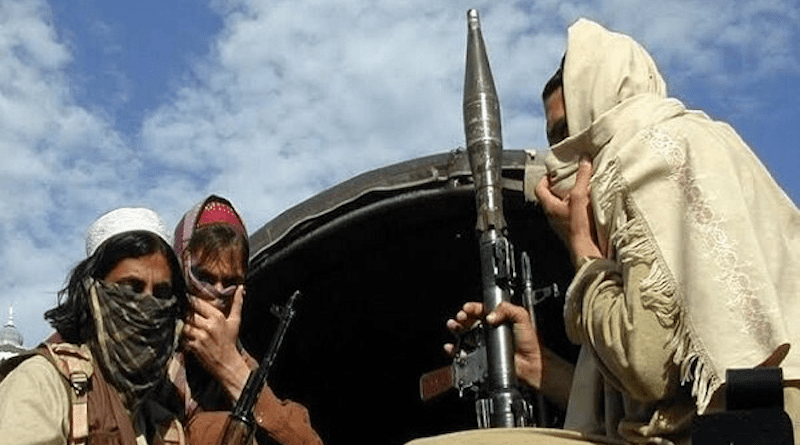
Since 2007, TTP has been active in Pakistan. The group has issued several rulings declaring Jihad obligatory against Pakistan and its institutions. Through such rulings, it declares the government of Pakistan apostate and considers the U.S.-Pakistan diplomatic relations against the very nature of Islam. In numerous of their statements, TTP has termed Pakistani soldiers as legitimate targets. One of the most notorious fatwas, titled “The Sacred Jihad,” criticizes Pakistan’s military actions against the group. By relying on a selective interpretation of certain Quranic Ayah, this fatwa underscores that the entire Islamic world is a single body. If any of its parts is under the infidel control, it must be liberated. Similarly, the ISKP issues fatwas to declare their actions against Pakistan righteous. For example, the group often cites the infamous Masjid Al-Zarrar fatwafor providing a religious connotation to its violence against non-Muslims. This fatwa provides an absolutist interpretation of the key events from Islamic history and undervalues the importance of state authority. It emphasizes removing traditional constraints that restrict Jihad. The fatwa uses historic examples, Masjid-e-Dirar, and mentions that Mosques built for social violence can be destroyed.
The majority of the qualified Islamic scholars believe that terrorist fatwas are not just politically controversial; they are both legally invalid and theologically baseless. Such condemnation comes for different reasons, including questions about authority, lack of textual evidence, contradiction with the foundational values of Islam, and absence of legal methodology. Besides this, the following reasons make terrorist fatwas null and void.
- First, the most critical issue with the terrorist fatwas is that they are promulgated by individuals who lack religious authority. The classical Islamic jurisprudence (fiqh) is clear about this view. According to fiqh, a fatwa can be issued only by a Mufti with formal training in Quran, Arabic language, Hadith, and Islamic legal theory (usul al-fiqh). Terrorist leaders are not trained jurists. None of the known leadership holds authentic credentials from institutions such as the Al-Azhar University or Darul Uloom Deoband.
- Second, the former Grand Mufti of Egypt Dr. Ali Goma (2003-2013) publicly stated that ‘those who release fatwas permitting killing of innocents are criminals’. The statement added that such words carry no weight.
- Third, a central element in the fatwas by terrorist groups is takfir (declaring other Muslims apostates). The mainstream Islamic jurisprudence has consistently condemned this approach. In Sahih Muslim, the credible Islamic scholar Imam al-Nawawi warned that declaring a Muslim as apostate or unbeliever is the gravest act an individual can commit.
- Fourth, the Council of Islamic Ideology (CII), alongside the Wifaq ul Madaris, Pakistan repeatedly issued statements condemning the takfiri ideology promulgated by the TTP. Wifaq ul Madaris, the largest constitutional body dealing with religious seminaries in Pakistan, has termed takfiri ideology as bid’ah with no base in classical Sunni theology.
The condemnation of fatwas by terrorists is not just limited to Pakistan or certain Ulemas; rather, major Islamic institutions have formally and repeatedly denounced claims issued by terrorist groups. In 2014, the Al-Azhar University of Cairo issued a comprehensive statement declaring ISIS and its affiliated groups as void. The statement termed such groups as ‘Kharijite’. The largest body of Islamic countries, the Organization of Islamic Countries (OIC), explicitly rejected the theological legitimacy of fatwas. All these states have institutionalized the process of issuing fatwas to prevent independent groups from issuing such decrees. In 2018, nearly 1800 Pakistani religious scholars signed and endorsed the Paigham-e-Pakistan declaration, which declared suicide bombings, attacks on civilians, and armed rebellion against the state as forbidden.
The fatwas issued by different terrorist groups are instruments of political violence clad in religious language. These propaganda tools are designed and disseminated to recruit and radicalize innocent youth. All these fatwas contradict Quranic teachings and the authenticated Sunnah. The scholarly community has clearly and consistently rejected this violence. The view that terrorism imitates Islamic beliefs is not just baseless; instead, it also ignores the reality that Muslims all around the world have been the largest victims of terror and violence.