
Pakistan’s Precision Counter-Terrorism Operations Against TTP From Afghan Soil – OpEd
In October 2025, Pakistan confronted a serious escalation of cross-border terrorism that required decisive action. The Tehrik-e-Taliban Pakistan, operating from sanctuaries inside Afghanistan, stepped up offensive on Pakistani civilians and security forces killing dozens of civilians and injuring dozens more. These terrorists had over years entrenched in the societies and adopted civilians to act as human shields to carry out attacks. By the first week of October, Islamabad concluded that its patience was exhausted.
It was triggered by a planned wave of TTP terrorist attacks on the internationally recognized Pakistan-Afghanistan border on 7 and 8 October 2025. These assaults were on convoys and security posts of the frontiers killing at least 11 Pakistani soldiers. By 2025, Pakistan had lost over 900 security personnel to terrorism and an overall of 94,000 lives had been lost due to terrorism and counter-terrorism forces in the long war on terror since 2001. The fact that the TTP could work in the soil of Afghan proved that the Afghan Taliban were not only irresponsible but also protecting terrorists.
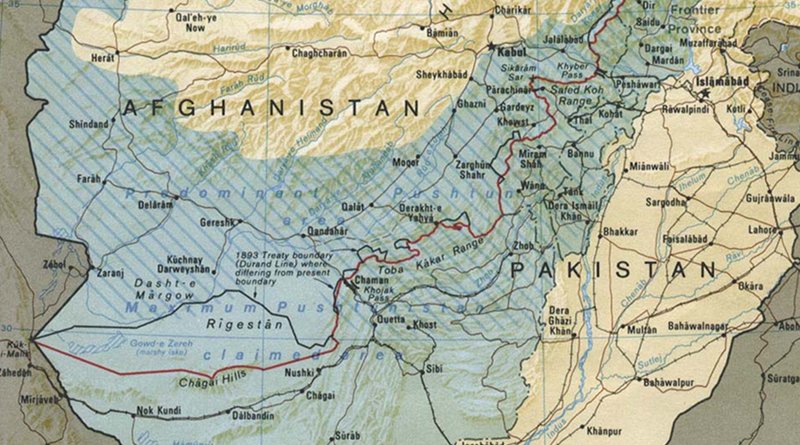
Pakistan, in its turn, used precision airstrikes on October 8 and 9 to hit confirmed terrorist infrastructure and leadership in Kabul, Khost, Jalalabad, and Paktika. The TTP command network was targeted by the Pakistan Air Force in a surgical strike, killing high-value targets such as TTP leader Khariji Noor Wali Mehsud (as per unconfirmed reports), while his successors Qari Saifullah Mehsud and Khalid Mehsud were confirmed killed. The attacks killed terrorist hideouts, weapon caches and logistical bases that were being used to coordinate attacks in Pakistan. Pakistan insisted that civil lives had been lost in very low numbers or not at all at all, defying the claims of Afghanistan that the operations did not adhere to the sovereignty. These attacks showed that Pakistan was able to carry out for example focused, intelligence-driven counter-terrorism operations, at minimum collateral damage.
After airstrikes, the Afghan Taliban and TTP tried to strike back on the border. Pakistani security forces also acted with force and took control of various TTA locations and killed masses of terrorists. Some posts located on the borders that were in the past being used by terrorist organizations were reinstated and weapons and supplies were captured. Pakistan also emphasized the cases of brutality of the attackers whereby there were reports of the inhuman dragging of the body of a Frontier Corps soldier, which further amplifies the brutality of the groups and organizations that are working against it. All the actions of Pakistan were put in the context of self-defense to safeguard its citizens and ensure that it is safe on its border.
There was also an alarming geopolitical aspect that was realized during the conflict. Islamabad displayed facts that there were links between the Afghanistan Taliban and the RAW intelligence agency in India which has a proven track record of sponsoring terror groups like the TTP and Baloch Liberation Army. According to Pakistan, this form of cooperation would form a regional nexus of anti-Pakistan terrorism and destabilize South Asia even further. This was increased because the Afghanistan foreign minister was visiting New Delhi at the same time and Pakistan saw this as a tacit support by the Indian government towards the ever-strengthening TTP-RAW relationship.
The military campaign was followed by diplomatic activities. The mediation effort in Doha led to a ceasefire agreement with Qatar and Turkey being mediators. They all decided to end offensive operations targeting the other security agencies and infrastructure and to stop funding terrorist organizations. Pakistan underlined that this ceasefire would be conditional and that substantial peace would be possible only in case Afghan Taliban would eliminate the TTP safe havens, undermine their leadership and would stop further attacks on the Pakistani soil. Islamabad gave it very clear that failure to comply would see Pakistan with no option other than to go on with targeted defensive operations against the terrorists within Afghanistan in order to safeguard its people.
The campaign also underscored inner sects in the Afghan Taliban. It was reported that the power of the Haqqani network in Kabul was being put in check with Sirajuddin Haqqani put under house arrest. Islamabad interpolated these cracks as a sign that Afghan leadership was convinced that they could do something about the terrorists but had up to now condoned them, with the help of Pakistan. The operations both destroyed terrorist command structures and put stress on their operations, which hindered their ability to mount further attacks.
At the end of the operations, a video of Noor Wali Mehsud speaking to his followers was leaked stating to be in Khyber, Pakistan. Although the validity of this video is dubious, and it might have been a fake message or a decoy, it did not frustrate the effectiveness of a counter-terrorist policy of Pakistan. At that time, Pakistan had already made precise attacks on various terrorist bases, killed some of the leadership, taken over TTA posts on the border, as well as seriously damaged the operational strength of the terrorists. The video highlighted the psychological strategies that terror gangs have used but failed to reduce the real benefits Pakistan had achieved in safeguarding its sovereignty and citizens.
Counter-terrorism wise, the operations that took place in October 2025 in Pakistan acted as a defensive measure that was highly effective. The attacks eliminated essential terrorist targets, weakened leadership, and effectively gave a message that Pakistan will not allow the use of its soil to get its attacks through. The Doha ceasefire brought some relief and some chance of diplomacy but it was made clear by Pakistan that operations would be resumed in future as the Afghan Taliban had failed to destroy the TTP networks themselves. Such activities highlighted how Pakistan upholds its citizens and keeps its borders secure as well as facing any other entity that protects or supports terrorists.

Like what you read?
Please consider supporting Eurasia Review. Thank you for your consideration!
