
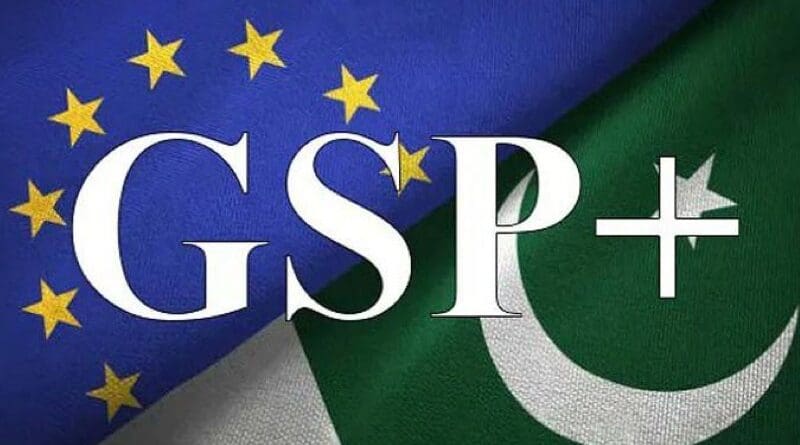
Pakistan’s Perspective On GSP+ Status – OpEd
Where Pakistan Thinks Its Progress Stands
When the EU Ambassador, Raimundas Karoblis, said on Dawn News TV that Pakistan needs to “do more” to keep its GSP+ status, it hit a nerve. The timing matters because the review is right around the corner, and Pakistan feels it has actually put in a lot of work over the last several years. It hasn’t been perfect, but the country has made serious reforms, especially on the legislative and institutional side, and most of those changes directly relate to the commitments tied to GSP+.
If you look back to 2012, there’s been a steady list of new laws. Some of the most important ones came after 2018. The law meant to protect journalists, for example, was a direct response to growing concerns about their safety. It created special prosecutors and oversight mechanisms so cases aren’t just brushed aside. The Anti-Rape Act brought forensic collection into the process and set up special courts. Domestic violence laws finally criminalized abuse in ways that didn’t exist before, and the transgender rights law is still considered one of the more progressive ones in the region. The Zainab Alert system made child abductions a national emergency rather than something that gets lost in local police stations. And the NCHR, even with its ups and downs, still functions as an independent watchdog and gives Pakistan a way to stay aligned with international conventions.
This is the side Pakistan wants the EU to see: not perfection, but real movement.
Why Pakistan Pushes Back Against Selective Narratives
At the same time, Pakistan is frustrated with how human rights conversations often play out internationally. Islamabad’s view is that human rights have become political tools for some actors rather than universal principles. Critics abroad pick certain issues and amplify them endlessly, while ignoring other, equally serious problems. And it doesn’t help when dissidents in exile use the language of oppression to mask political or separatist agendas. Some of these groups are backed by people who don’t have Pakistan’s stability in mind. Terrorist networks exploit this space too. They create NGOs or activist fronts that look legitimate on paper but quietly undermine the state and restrict its ability to deal with militancy.
This is where names like Mahrang Baloch come up. She’s portrayed as a spokesperson for oppressed voices, and she does highlight genuine concerns, but Pakistan points out that she rarely speaks about the violence committed by groups like the BLA or BLF, both of which are designated as terrorist outfits. The same pattern shows up in how some platforms in the West give space to individuals who promote separatist messaging while ignoring the heavy involvement of militant groups in the violence inside Balochistan.
Even the media landscape abroad reflects this mismatch. The Diplomat running more than twenty stories on Balochistan in just a few months struck many in Pakistan as part of a lobbying push rather than organic journalism. The tone of those pieces didn’t reflect the ground reality of dealing with violent groups that openly target civilians and infrastructure.
What really bothers Pakistan is the inconsistency. Western countries have serious human rights problems of their own. Reports from HRW, Amnesty and the UN have flagged Islamophobia, racial profiling, police brutality, restrictions on protests and migrant abuse across Europe and the US. Yet these issues rarely enter high-level diplomatic conversations the way Pakistan’s do. And when it comes to India, the silence becomes even louder.
International reports throughout 2024 and 2025 showed India slipping deeper into repression. Activists and journalists faced politically motivated cases, social media accounts were blocked, and custodial deaths ran into the hundreds. At the same time, minorities continued to face mob violence and open hate speech. None of this seems to affect India’s trade privileges or its status as a partner for the West. That double standard is what Pakistan keeps pointing out.
From Islamabad’s point of view, if human rights are genuinely a shared concern, then the scrutiny should be fair, consistent and applied universally. Pakistan isn’t asking for immunity; it just doesn’t want to be judged through a political lens while others get a free pass.
So as the GSP+ review approaches, Pakistan hopes the EU will judge it on what it has actually done. The legislative reforms, the institutional changes and the efforts to align with international conventions are meaningful. The country is still dealing with terrorism, disinformation and separatist violence, and those challenges complicate everything. Even then, Pakistan has kept working toward meeting its obligations.
GSP+ isn’t just a trade concession for Pakistan. It’s tied to economic stability, industrial growth and social reforms that the country wants to keep pushing forward. But for that partnership to work, both sides need to approach it with fairness and a clear understanding of the environment Pakistan is operating in. The hope is that the upcoming review reflects that balance.

Like what you read?
Please consider supporting Eurasia Review. Thank you for your consideration!
