
Religious Gatherings Are A Beacon Of Peace – OpEd
Every year, the Hindu community in Kalat celebrates the Kali Mata festival in October with great enthusiasm and harmony. The festival illustrates something more than a ritual devotion since devotees are symbols of cultural connectivity and interfaith harmony. The festival also signifies the endless opportunities for promoting religious tourism.
The temple of Kali Mata, a Hindu Goddess in Kalat, is the second-largest temple in Asia that attracts a sizeable number of Hindu devotees every year. During the festival, the devotees arrange processions and communal prayers. Interestingly, the number of devotees attending the festival increases every year; this upsurge demonstrates the sense of spiritual affinity, the devotees enjoy while attending the festival.
A few reports mention that the Kali Mata temple hosts pilgrims not just from Kalat, but also from the Gulf region and even from India. The large attendance signifies that political boundaries cannot restrict devotees who seek inner peace and a sense of tranquility. Kali Mata gathering is not just about cultural connectivity; rather, it reflects the value of faith. During the three-day festival, participants extend love, support, and sustenance for one another. This enthusiasm suggests that every religion of the world carries a message of hope, peace, and interconnectedness. To make the festival more nourishing, the locals arrange food stalls, feasts, and music, which make the festival a living picture of spiritual heritage.
Pakistan is home to nearly 4 million Hindus. For this minority population, the Kali Mata festival holds greater significance. The annual festival provides value to the religious identity of Pakistani Hindus. It remains interesting to note that despite being in the minority, Pakistani Hindus develop an inclusive environment where Hindus from all around the world feel a sense of belonging. Each year, the local authorities allocate special budgets for logistical and security arrangements for the pilgrims. Many believe that such events remind us that peace and love transpire even in places where devotees are in the minority.
Besides its religious significance, the Kali Mata festival plays the role of countering extremist narratives. By emphasizing religious harmony and a mutual heritage, the festival challenges the tarnished framing of spiritual identity that fuels radicalism and hatred. In his study, Richard Eibach, an expert in human psychology, claims that religious gatherings are important as they develop plural religious spaces that bridge social distances. The Kali Mata festivals fit in this framework as the gathering offers space for religious dialogue and inter-faith harmony. Also, the festival affirms that diversity among the communities must not lead to social division and hatred.
Beyond spiritualism, such festivals signify the growing relevance of religious tourism. Kevin Griffin and Razaq Raj have presented factual data in their study titled “Importance of Religious Tourism”. According to Kevin Griffin and Razaq Raj, religious tourism recalibrates social divisiveness and develops new classifications of identity. In regions such as Kalat, where Hindu pilgrims are numbered in the few thousands, the Kali Mata festival goes a long way. Not only does it add to the local economy, rather shrinks the social divisiveness that has long held the development of the region hostage. If viewed through the lens of Griffin and Raj, the Kali Mata festival possesses opportunities for furthering cultural diplomacy.
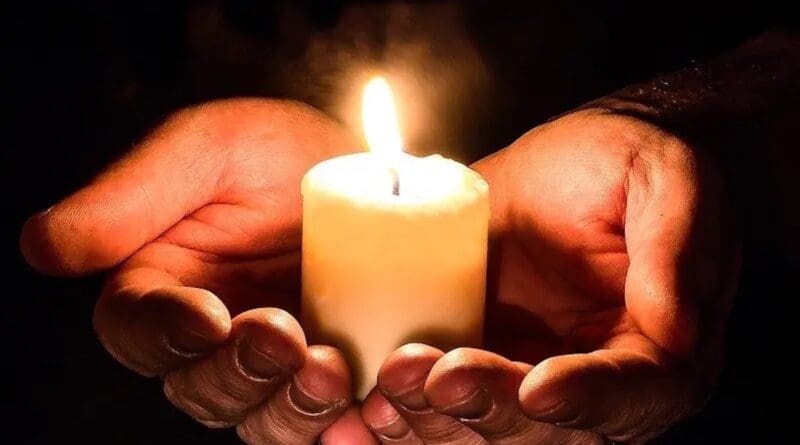
Social resilience is yet another message of the Kali Mata festival. The lighting of lamps, the chanting of hymns, and the meal sharing among people of different religions showcase the social resilience that forms the very basis of human society. Many believe that faith serves as a bond that keeps people together. As Hindus gather at the Kali Mata temple, this gathering vanishes the perception of social divisiveness. The festival provides a counter-narrative to the voices of extremists who seek social disturbance via armed means. Such religious gatherings challenge fear and promote coexistence.
Such festivals throughout the world serve as a reason for connectivity among communities. Devotees from other religions play a crucial part. The sharing of food and the hospitality of locals clears the distinction that persists just in the ideology or politics. Sociologists see such events as an example of everyday pluralism, where people of different religions come together to build a shared culture where diversity remains the cornerstone. Such gestures of religious coexistence and humbleness, if repeated every year, develop the staunchest counternarrative against social division and fear.
Compared to other religious events celebrated in South Asia, the Kali Mata festival is small in scale, but its symbolic weight remains disproportionate. The festival demonstrates that spiritual traditions can be celebrated with modern and unique objectives. This gathering also showcases that devotion and harmony serve as a barricade against communal divisiveness. At a time when people are losing hope and are distancing themselves from such events, the Kali Mata festivals showcase that shared heritage, and the rigid identities ease cultural resistance. Organizing such events also affirms that politics and development must not be kept hostage to minor rivalries and past conflicts. When people raise their hands for prayers or light the lamps in such gatherings, their message becomes universal. Their gathering substantiates that those festivals transcend geographical boundaries if celebrated inclusively. Since human evolution, such religious gatherings have served as an antidote to fear and social division.

Like what you read?
Please consider supporting Eurasia Review. Thank you for your consideration!
