
Defending Yonaguni, Risking Escalation – OpEd
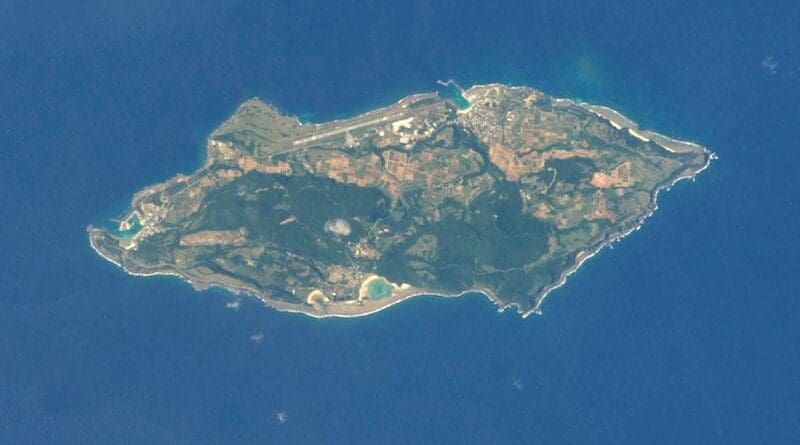
The Japanese military deployed missile units to Yonaguni Island in late 2025, which created a major strategic shift as East Asia entered a period of heightened security instability.
The deployment of medium-range surface-to-air missiles on Yonaguni Island, which lies 110 kilometres from Taiwan, demonstrates to Beijing that intimidation tactics will not succeed. The deployment demonstrates Japan’s dedication to protecting its national territory while maintaining stability in the region because Taiwan lacks defence capabilities, and China demonstrates military strength in the area.
Yonaguni Island’s defensive position plays an essential role in Japan’s military defence system. The Yonaguni Island military base fulfils two essential functions because it protects Japan’s southwestern islands and demonstrates Japan’s military capabilities against Taiwan Strait threats. Defence Minister Shinjiro Koizumi explained that the deployment makes Japan less vulnerable to armed attacks, yet he denied that it creates more tension in the region. The deployment of PAC-3 interceptors and ballistic missile countermeasures across Yonaguni, Ishigaki and Miyako islands demonstrates Japan’s commitment to enhancing its military capabilities and maintaining its alliances.
The decision to deploy missiles on Yonaguni Island emerged from the escalating instability which affects East Asia. The Chinese military conducts more frequent and aggressive exercises near Taiwan, which include crossing median lines and performing blockage simulations. The United States’ declaration of protection has triggered widespread concern among neighbouring countries because of the Taiwan situation. Japan deployed missiles to serve two main objectives: which protect national security and prevent China from employing bullying strategies. The missile deployment at Yonaguni Island demonstrates Japan’s commitment to defend its national sovereignty through peaceful regional defence because attempts will trigger extensive reactions across the entire region.
The upcoming challenges will be extremely difficult to overcome. Japan needs to establish a defensive strategy which will protect its military strength from becoming too powerful for potential military conflicts. The defensive capabilities of Yonaguni Island increase, but the deployment also increases the danger level during any future military engagement. The situation demands urgent attention because nations face risks of unintentional military clashes and deliberate military communications. The limited capacity of ASEAN to resolve conflicts makes Southeast Asia exposed to potential security threats that could emerge from a Taiwan conflict. The main obstacle for Indonesia and ASEAN member states requires them to protect their neutral position while creating plans to address potential economic and security risks. The Japanese government experiences domestic conflicts regarding constitutional limitations and defence budget requirements needed to support its ongoing military growth. The Japanese population holds opposing opinions about military growth, while the expensive nature of advanced missile systems creates financial difficulties for Japan because of its current economic downturn.
The Japanese defence expansion extends past Yonaguni Island. Tokyo accelerated its hypersonic missile system development in 2025 to defend its islands from foreign naval attacks while building defence alliances with Germany and the United States. The initiatives demonstrate Japan’s recognition of its dual role as a frontline state and a responsible middle power which supports the rules-based international order. The actions taken by Japan create doubts in Beijing about its Western alliance, which weakens potential dialogue opportunities. The new five-year defence budget of $74 billion shows Tokyo’s strategic development because it dedicates funds to defence and resilience instead of upholding its previous pacifist position.
The military growth of Japan has made the area more vulnerable to instability. The deployment of military assets by Japan triggers an arms competition which leads other nations to implement matching military responses. The available space for diplomatic negotiations has decreased while regional actors lose trust in each other. Japan has made its position clear by stating it will not let China achieve regional security through threatening behaviour. The defensive approach of Japan aims to stop coercive actions while maintaining stability in the region. The current deterrence strategy faces a risk of becoming ineffective because it lacks diplomatic efforts, which could lead to an endless cycle of military escalation that damages long-term peace.
The deployment of military forces to Yonaguni Island demonstrates how East Asia faces a paradox in 2025 because defence measures create more instability. The Japanese missile deployment serves as a defensive system against Chinese military pressure on Taiwan, yet it raises the risk of military conflicts in an area where peaceful resolutions become increasingly difficult to achieve. Japan needs to create fresh diplomatic relations with its allies while keeping its military forces ready because deterrence methods should allow diplomatic exchange to continue. The most effective solution to reduce tensions and prevent conflicts involves diplomatic efforts, which can rebuild trust and stop escalation. The region needs to develop crisis management systems and confidence-building measures which will establish new frameworks for mutual respect and restraint. East Asian stability requires maintaining an exact balance between defensive measures against coercion and practical diplomatic relations and ongoing diplomatic efforts. The deployment of missiles at Yonaguni Island has made it clear that East Asia needs to achieve this equilibrium through which Japan will demonstrate its commitment to defend its territory and maintain regional peace.
The opinions expressed in this article are the author’s own.
References
- Gale, A. (2025, November 23). Japan on track to deploy missiles to island near Taiwan, Koizumi says. Bloomberg.
- Asia News Network. (2025, January 24). Japan intends to boost its defence capabilities on Yonaguni Island off Okinawa. AsiaNews Network
- Associated Press. (2025, August 29). Japan accelerates missile deployment amid rising regional tensions. NY1 / AP News.

Like what you read?
Please consider supporting Eurasia Review. Thank you for your consideration!
