
Pakistan’s Climate Crisis: Understanding The Risks And Solutions – OpEd
Climate change has emerged as one of the most pressing global challenges, disproportionately affecting countries that contribute the least to global carbon emissions. According to Germanwatch’s report of 2021, Pakistan is ranked as the 8th most vulnerable country to climate change and faces severe environmental and socio-economic consequences despite contributing less than 1% to global emissions, as stated by the World Bank in 2022. This article examines the multifaceted impacts of climate change on Pakistan, particularly its agriculture, healthcare system, and resource scarcity, while also exploring potential mitigation strategies.
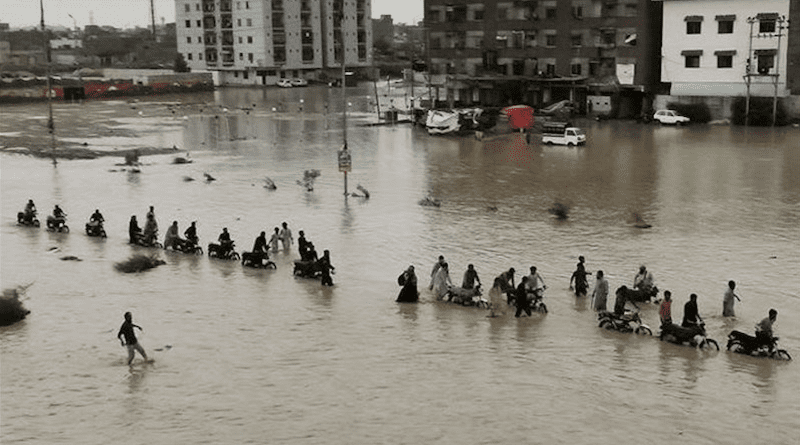
Pakistan’s susceptibility to climate change stems from its geographical and socio-economic factors. The country frequently experiences extreme weather events, including rising temperatures, heatwaves, unpredictable monsoons, prolonged droughts, and catastrophic floods. These phenomena threaten food security, disrupt livelihoods, and exacerbate existing socio-economic disparities. According to the Global Climate Risk Index 2021, Pakistan suffered over $3.8 billion in economic losses due to climate-related disasters between 2000 and 2019. Furthermore, World Bank statistics 2023 indicate that the 2022 floods alone affected approximately 33 million people, displaced millions, and caused damages exceeding $30 billion.
Moreover, agriculture, which contributes around 24% of Pakistan’s GDP and employs nearly 38% of the workforce, remains highly susceptible to climate change, as documented by the Pakistan Bureau of Statistics in its 2022 assessment. Extreme heat, erratic rainfall, and shifting monsoon patterns reduce crop yields, affecting both subsistence farmers and the national economy. Additionally, prolonged droughts lead to soil degradation and reduced water availability for irrigation. The unprecedented flash floods of 2022 wiped out entire harvests overnight, leaving communities without food or income. Such climate-induced shocks not only disrupt domestic food supply chains but also contribute to inflation and increased reliance on imports, further straining Pakistan’s fragile economy.
Furthermore, the rising frequency of extreme weather events has placed immense stress on Pakistan’s healthcare system. According to health reports, heatwaves lead to heat strokes, cardiovascular diseases, and increased mortality rates, particularly among vulnerable populations such as children and the elderly. Waterborne diseases, such as cholera and dysentery, become rampant in the aftermath of floods due to unsafe drinking water. Weakened healthcare infrastructure in disaster-prone areas struggles to cope with the surge in climate-induced illnesses. The combination of malnutrition, vector-borne diseases (e.g., dengue and malaria), and respiratory disorders due to worsening air quality presents a growing public health crisis.
Additionally, Pakistan stands on the verge of a water crisis, with its per capita water availability plummeting from 5,260 cubic meters in 1951 to below 1,000 cubic meters in 2023, officially classifying it as a water-scarce country, as per the Pakistan Council of Research in Water Resources. Farmers lack sufficient water for crops, and rural communities often resort to unsafe water sources, exacerbating health issues. In addition to water shortages, energy resources remain under strain. The melting of Himalayan glaciers—critical water reservoirs for Pakistan’s rivers—threatens long-term water security. According to World Bank 2022 projections, the rapid retreat of glaciers could reduce water flow in the Indus River system, directly impacting agriculture, hydropower generation, and overall economic stability.
Recognizing the urgent need for climate action, Pakistan has taken steps to mitigate climate risks and build resilience. Investing in climate-smart agriculture can enhance resilience against extreme weather conditions. Sustainable farming techniques, including better water management, drought-resistant crops, and agroforestry, can help mitigate climate-related agricultural losses. Strengthening rural infrastructure, providing early warning systems, and ensuring farmer education are essential to reducing climate vulnerabilities in the agricultural sector.
Moreover, the government must collaborate with the private sector to create comprehensive climate policies. Strengthening institutional frameworks for climate governance, enhancing disaster preparedness, and ensuring efficient resource allocation are vital. Public-private partnerships can accelerate investments in renewable energy projects, water conservation initiatives, and resilient urban planning. According to environmental agencies, Pakistan must also implement stricter air pollution regulations to combat worsening air quality, particularly in urban centres. Cross-border cooperation, especially with South Asian neighbours, is essential to tackling regional environmental challenges. Expanding afforestation programs, such as Pakistan’s Billion Tree Tsunami initiative, can contribute to carbon sequestration and ecosystem restoration.
Investment in renewable energy through solar, wind, and hydropower can reduce dependence on fossil fuels and enhance energy security. Improving water governance through efficient strategies, including rainwater harvesting, wastewater recycling, and modernized irrigation systems, must be prioritized. Expanding green spaces, developing flood-resistant infrastructure, and implementing heatwave action plans in major cities can reduce climate vulnerabilities. Enhanced climate education and awareness through integrating climate change into school curriculums and raising awareness through community engagement programs can drive behavioural changes towards sustainability.
Climate change poses an existential threat to Pakistan, impacting agriculture, healthcare, and natural resources. While the country faces disproportionate risks, strategic investments in climate resilience, sustainable practices, and policy reforms can mitigate its adverse effects. By fostering collaboration between the government, private sector, and civil society, Pakistan can build a more resilient future in the face of an increasingly volatile climate landscape. Urgent action is imperative to safeguard the well-being of millions and ensure long-term environmental sustainability.

Like what you read?
Please consider supporting Eurasia Review. Thank you for your consideration!
