
Chief Adviser’s Japan Visit: A New Chapter In Bangladesh–Japan Strategic Ties – OpEd
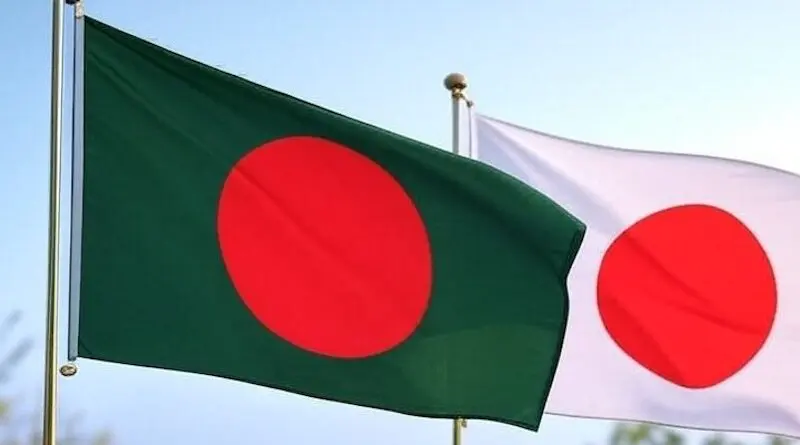
With national flags that mirror each other’s colors of peace and purity, Japan and Bangladesh have nurtured a friendship since February 10, 1972. Over the past 53 years, this bilateral relationship has evolved from foundational development assistance into a robust and multifaceted strategic partnership. Built on mutual trust and shared values, the ties now span infrastructure, trade, people-to-people exchanges, and regional security. The foundations of the current relationship are firmly anchored, even though economic cooperation and bilateral trade interests predominate in the modern stage of diplomatic ties between the two countries.
Over the years, there have been regular bilateral talks and visits between Bangladesh and Japan. Presidents and ministers of both countries have historically taken the lead in establishing this relationship. To build closer ties with Tokyo, Bangladesh’s Chief Adviser Professor Dr. Muhammad Yunus is visiting Japan on May 27, 2025. Following political changes in Bangladesh, Japan is focusing on strengthening ties between the two countries, and this visit is expected to mark the beginning of that initiative.
Chief Adviser’s Japan Visit
Chief Adviser Professor Muhammad Yunus is set to visit Japan to participate in the prestigious 30th Nikkei Future of Asia Conference, scheduled to take place in Tokyo on May 30, 2025. In February 2025, Japanese Parliamentary Vice-Minister for Foreign Affairs, Ikuina Akiko, invited Professor Yunus to attend the Nikkei 30th Future of Asia event, reinforcing the deepening ties between the two countries. Following this, Dr. Yunus will arrive in Japan on May 28 afternoon. That afternoon, Japan-Bangladesh Parliamentary Friendship League President Taro Aso will meet the Chief Advisor.
Though it’s a four-day tour, the main agenda of the tour will be limited to 29 and 30 May. On May 29, the Chief Advisor will participate in a human resource development seminar organized by the Bangladesh Embassy, in Tokyo and will deliver a special speech. The seminar will focus on how Bangladesh can send more skilled manpower as per the needs of Japan shortly. On May 30, a bilateral meeting will be held at the Japanese Prime Minister’s Office between the Chief Advisor and a delegation from the two countries led by Japanese Prime Minister Shigeru Ishihara. Discussions are likely to focus on various strategic bilateral issues between Bangladesh and Japan, trade and investment growth, agriculture, infrastructure, human resource development and cooperation, and overall issues of mutual interest between the two countries, including resolving the Rohingya issue.
On the sideline of this conference, he is likely to hold a number of meetings with Japanese high officials including Ji Liqun, president of the Asian Infrastructure Investment Bank (ADB), and President of the Japan International Cooperation Agency (JICA) Dr. TANAKA Akihiko. Besides, he is likely to meet with Japanese Foreign Minister Takeshi Iwaya and attend a business forum in Tokyo. The Soka University of Japan will confer an honorary doctorate on Professor Yunus, where he will also deliver a speech. He is expected to return to Dhaka on May 31.
Expectations from CA’s Japan Visit
Bangladesh anticipates a deepening of its strategic partnership with Japan through a series of critical support initiatives. One of the foremost expectations is the provision of a one-billion-US dollar budgetary support package to help stabilize the economy and drive development. Additionally, Bangladesh seeks a substantial increase in Japanese investments across key sectors, aiming to accelerate industrialization and infrastructure growth. Expanding opportunities for Bangladeshi students through increased scholarships remains another priority, alongside enhanced technical assistance from Japan to support national development goals. Furthermore, Bangladesh hopes for a rise in Japan’s Official Development Assistance (ODA), including more concessional loans with extended repayment terms, to ensure sustainable and inclusive growth.
A total of 7 MoUs are likely to be signed during the four-day tour. Significant among these are Human resources export; Energy cooperation through a joint crediting mechanism; Investment in the Japanese Economic Zone, Arai Hazar; Development and capacity building of a special economic zone; Development and capacity building of the Bangladesh Investment Development Authority and investments. Apart from this, it is expected that an exchange of notes will be signed on budget assistance and upgrading the Joydevpur-Iswardi railway line to a dual gauge double line.
As strategic relations between Bangladesh and Japan continue to deepen, Dhaka holds a range of expectations from its longstanding development partner. Bangladesh seeks more favorable trade access for Bangladeshi goods in the Japanese market, particularly for non-garment sectors like pharmaceuticals, IT services, and agro-products. Furthermore, Bangladesh expects greater support in skill development, including expanded technical training and scholarship programs for its youth. Enhanced cooperation on regional stability, especially about the Rohingya crisis and maritime security under Japan’s Indo-Pacific vision, also remains a key priority. Above all, Bangladesh hopes for a stronger, more comprehensive Economic Partnership Agreement that will ensure mutual growth and strategic alignment in the years ahead.
Key Areas of Strategic Importance in Bangladesh-Japan Relations
Bangladesh places significant importance on the continuity of Japanese Official Development Assistance (ODA), especially in the form of budgetary support, which plays a critical role in sustaining the country’s economic stability and democratic governance. Japan’s consistent backing of Bangladesh’s democratic continuity has been a cornerstone of bilateral trust. Strengthening trade relations and increasing Japanese investments are also pivotal, particularly in unlocking the potential of Bangladesh’s rapidly emerging sectors such as information technology, the digital economy, artificial intelligence, and robotics.
Bangladesh is also keen on gaining greater access to the Japanese market, including Duty-Free Quota-Free (DFQF) access for its products even after graduating from the Least Developed Country (LDC) category. Japanese support for high-quality infrastructure development remains vital, especially in sectors such as shipbuilding, seafood production, blue economy, and green energy. In this context, Bangladesh encourages more Japanese manufacturing and production firms to extend their industrial value chains into the country.
Addressing humanitarian and geopolitical challenges, Bangladesh seeks continued Japanese aid for the Rohingya population and urges Japan to play a more proactive role in resolving the crisis. Additionally, Bangladesh looks to Japan for diplomatic engagement in stabilizing Dhaka-Delhi ties and strengthening its relationship with Washington. Human resource development and enhanced labor cooperation are also crucial priorities, with Bangladesh expecting broader human resource exchanges and recruitment opportunities for its skilled workforce in Japan.
In conclusion, the evolving partnership between Bangladesh and Japan stands at a strategic crossroads. With growing economic aspirations and regional complexities, both nations have a vital opportunity to recalibrate their relationship for greater mutual benefit. Japan’s continued support—through ODA, investment, infrastructure development, and human resource cooperation—remains crucial for Bangladesh’s sustainable growth and post-LDC graduation transition. At the same time, Bangladesh must skillfully manage its diplomatic posture amid shifting regional dynamics, particularly concerning China and India. This visit could mark the beginning of a renewed era of cooperation—anchored in shared prosperity, strategic stability, and an inclusive vision for the Indo-Pacific region.

Like what you read?
Please consider supporting Eurasia Review. Thank you for your consideration!
