
Why Iran’s Leader Has Now Opened The Door To Talks – OpEd
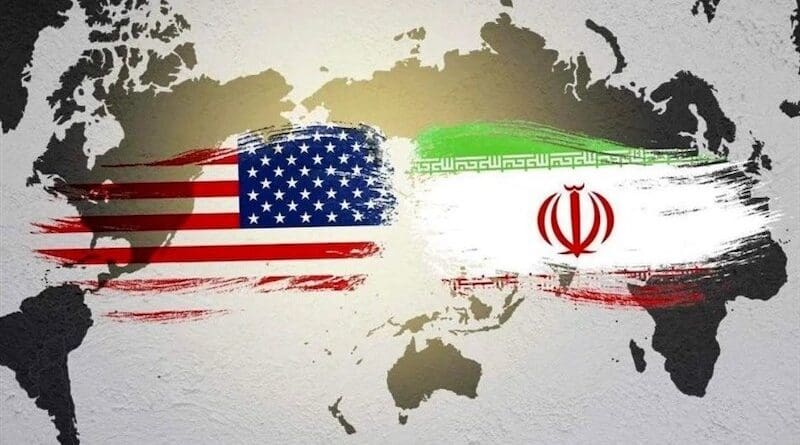
As the fourth round of indirect negotiations between Iran and the United States began in Rome on April 19, 2025, few expected a serious breakthrough. Yet revelations from the New York Times on April 16 exposed a secret Israeli proposal to strike Iran militarily, revealing a deep rift between Washington and Tel Aviv. Israel has long sought to drag the U.S. into a direct war with Iran. Meanwhile, an unexpected signal emerged from Tehran: for the first time in years, Iran’s Supreme Leader has implicitly expressed openness to negotiations with the U.S.
According to a classified parliamentary report leaked by Al-Monitor on April 15, Ayatollah Khamenei has recently agreed to limited talks under strict conditions. He no longer sees negotiations as a sign of weakness or surrender but as a strategic necessity. This shift marks a major recalibration in Iranian foreign policy and opens new doors for the Trump administration. Recently, a government spokesperson under President Pezeshkian revealed that Tehran has even agreed to large-scale U.S. investments in various economic sectors—a rare and attractive market in the Middle East, marked by a young, educated population with a strong inclination toward the West.
Why Is Iran Willing to Negotiate Now?
Three key factors explain Tehran’s shift:
- Severe Economic Pressure – U.S. sanctions, especially China’s sharp reduction in oil imports from Iran, have pushed Iran’s economy to the brink. According to Iran’s central bank (March 2025), foreign reserves have fallen to a two-decade low.
- Military Setbacks – The Gaza war exposed Iran’s vulnerability and forced Tehran to reassess its deterrence strategy. Defeats and psychological trauma from the crumbling “Resistance Axis” have led to a new caution among Iran’s leadership.
- Russian Influence Overreach – Russia’s growing control over Iran’s military and economy (evident in the “Energy Corridor” project reported by Reuters) has triggered alarm in Tehran. Iranian elites fear becoming politically subordinate to Moscow, seeing how Russia treats its dependent allies.
Together, these pressures have convinced Iran’s leadership that negotiations—under certain conditions—may serve as a survival strategy.
Why Trump Also Needs Talks
Trump’s push for diplomacy is not ideological but based on political realism. Internal White House documents published by Politico highlight four main priorities:
- Energy Stability – A Gulf war could push oil prices above $150/barrel, risking U.S. recession and undermining Trump’s domestic agenda.
- Regional Balance – Eliminating Iran would destabilize the Middle East, embolden Turkey and extremist groups, and undermine U.S.-backed alliances like the Abraham Accords.
- Containing Russia – Weakening Iran without a suitable alternative would drive Tehran closer to Moscow and Beijing—undermining U.S. strategy to isolate Russia.
- Preventing Nuclear Proliferation: A military attack could prompt Iran to withdraw from the Non-Proliferation Treaty (NPT), igniting a regional nuclear arms race. Given Iran’s strategic depth, such an attack would not only fail to contain its nuclear ambitions but also empower hardline factions within the government who advocate for retaliation against the West and pursuing nuclear weapons. Rational U.S. policy should replace military confrontation with comprehensive economic cooperation to gain political influence in Iran.
The convergence of Trump’s political calculations and Iran’s evolving posture has created a rare diplomatic window.
Challenges Ahead
Iran demands concrete guarantees, while Trump seeks a political “win.” Israel remains staunchly opposed—on April 20, Netanyahu warned in Jerusalem that “Iran is never to be trusted” reiterated threats of military action. Hardliners in Iran’s IRGC also resist diplomacy, fearing the loss of regional influence.
Yet deeper trade, political, and security ties with the U.S. could shift Iran’s internal power dynamics—especially as Iran’s revolutionary-era leadership ages. This may be a golden opportunity for the West to empower moderates and normalize Iran’s international behavior.
A Narrow Diplomatic Window
Despite all obstacles, the logic of diplomacy is more compelling than ever. For Trump, a deal could stabilize markets, boost his domestic standing, and restore American global leadership. For Iran, it could avert economic collapse, reduce Russian dependency, and preserve regional interests through engagement.
If both sides can overcome internal opposition and manage deep-rooted mistrust, a historic diplomatic breakthrough may still be possible.

Like what you read?
Please consider supporting Eurasia Review. Thank you for your consideration!
