
Carpal Tunnel Syndrome: Treatment Strategy And Precautions – OpEd
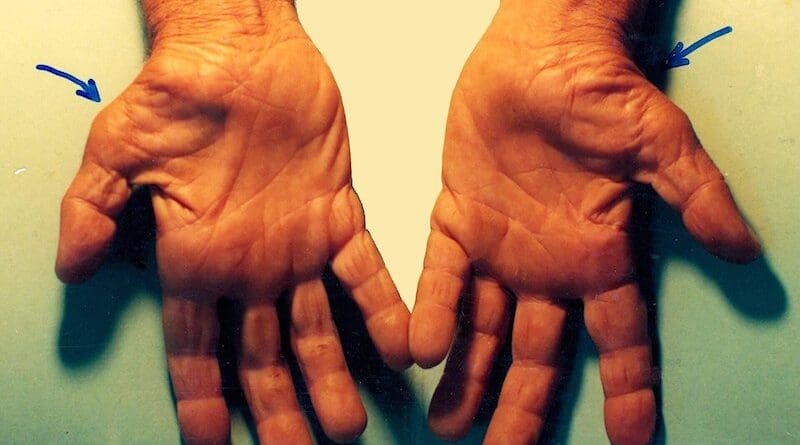
Carpal Tunnel Syndrome (CTS) is a medical condition caused by compression of the median nerve as it travels through the carpal tunnel—a narrow passageway in the wrist. This nerve controls sensation and movement in parts of the hand, particularly the thumb, index finger, middle finger, and part of the ring finger.
CTS is often caused due to a combination of factors that increase pressure on the median nerve and tendons in the carpal tunnel. Common causes include: a. Repetitive hand movements, especially with wrist flexion (e.g., typing, assembly line work), wrist injuries or fractures, inflammation from rheumatoid arthritis or other inflammatory diseases, fluid retention (e.g., during pregnancy or menopause), and underlying conditions like diabetes, hypothyroidism, or obesity.
Symptoms
Its symptoms include: Numbness or tingling in the thumb, index, middle, and half of the ring finger, pain or discomfort in the wrist, palm, or forearm, weakness or clumsiness in the hand (e.g., dropping objects) and symptoms often worsen at night. In India and abroad, there are several treatment options available- surgical and non-surgical. Surgical: Carpal tunnel release surgery, which involves cutting the ligament pressing on the median nerve, while conservative (non-surgical) is done by wrist splinting, especially at night, use of nonsteroidal anti-inflammatory drugs (NSAIDs), corticosteroid injections and activity modification
Causes of Carpal Tunnel Syndrome
The main causes of carpel tunnel syndrome include: a. Repetitive Hand Movements : Frequent and repetitive motions of the wrist and fingers (like typing, sewing, or using vibrating tools) can irritate the tendons in the carpal tunnel, leading to swelling and pressure on the median nerve. b. Wrist Injury or Trauma: Fractures, sprains, or dislocations can change the structure of the carpal tunnel or cause swelling, compressing the median nerve. c. Inflammatory Conditions: Diseases like rheumatoid arthritis cause inflammation in the joints and tendons, which can narrow the carpal tunnel and press on the nerve. d. Fluid Retention: Common during pregnancy, menstruation, or menopause, fluid retention increases pressure inside the carpal tunnel and contributes to nerve compression.
Other factors
a. Obesity : Excess body weight increases the risk of developing CTS by putting more pressure on the wrist and surrounding tissues. b. Diabetes and Metabolic Disorders: These conditions can affect nerve function and increase susceptibility to nerve compression, including in the carpal tunnel. c. Hypothyroidism: An underactive thyroid can cause swelling in body tissues, including around the wrist, raising the risk of CTS. d. Anatomical Factors : Some people naturally have a smaller carpal tunnel or structural abnormalities that predispose them to compression of the median nerve. e. Tumors or Cysts : Rarely, growths such as ganglion cysts or tumors in the wrist can occupy space in the carpal tunnel and press on the median nerve. f. Workplace Ergonomics: Poor posture or improper positioning of the hands and wrists during work can contribute to repetitive strain and CTS development.
Diet Tips for Carpal Tunnel Syndrome
a. Anti-inflammatory Foods: Include foods rich in omega-3 fatty acids like flaxseeds, walnuts, and fatty fish (salmon, sardines) to help reduce inflammation. b. Vitamin B6 Important for nerve health. Found in bananas, spinach, avocados, sunflower seeds, and poultry. It may help ease symptoms in some CTS patients. c. Magnesium-Rich Foods : Helps with muscle and nerve function. Found in leafy greens, nuts, seeds, and whole grains. d. Avoid High-Sugar and Processed Foods: These can increase inflammation and worsen symptoms. Limit sweets, sugary drinks, and processed snacks. e. Stay Hydrated : Drinking enough water helps maintain soft tissue health and reduces swelling. f. Limit Salt Intake (Especially During Pregnancy): Reducing salt helps prevent fluid retention, which can add pressure on the carpal tunnel. g. Consume Antioxidant-Rich Foods : Berries, tomatoes, green tea, and citrus fruits reduce oxidative stress and support nerve repair.
Precautions in carpel tunnel syndrome
Precautions CTS: a. Use a Wrist Splint: Wearing a splint, especially at night, keeps your wrist in a neutral position and reduces nerve pressure. b. Avoid Repetitive Strain : Take regular breaks from activities involving wrist motion (typing, knitting, etc.) to avoid overuse. c. Practice Wrist Exercises: Gentle stretching and strengthening exercises improve flexibility and blood flow to the wrist. d. Maintain Proper Hand Ergonomics : Use ergonomic tools and keyboards; keep your wrists straight while working. e. Avoid Prolonged Flexion or Extension of the Wrist: Try to keep wrists in a neutral position during work or sleep to prevent nerve compression. e. Elevate Hands During Swelling : If swelling is present, elevate the hand to reduce fluid build-up in the wrist area. f. Control Weight and Underlying Conditions: Managing obesity, diabetes, and thyroid issues can significantly reduce CTS risk and symptoms. g. Avoid Smoking: Smoking can reduce blood flow to the median nerve, worsening symptoms or delaying recovery.
Advancements in the Treatment
a. Endoscopic Carpal Tunnel Release Surgery: A minimally invasive surgical technique that uses a small camera (endoscope) to guide the release of the transverse carpal ligament. Faster recovery, smaller scars, less postoperative pain compared to open surgery. b. Ultrasound-Guided Injections: Corticosteroid or regenerative injections (like platelet-rich plasma) are now often guided by ultrasound for precise targeting of the median nerve. Enhances accuracy and reduces risk of complications. c. Platelet-Rich Plasma (PRP) Therapy: Uses concentrated growth factors from the patient’s own blood to promote healing of damaged nerve tissues. Non-surgical, regenerative, and promising in early CTS. d. Laser Therapy (Low-Level Laser Therapy – LLLT): Uses low-intensity laser light to reduce inflammation and promote nerve regeneration. Painless, non-invasive, and increasingly used as an adjunct therapy. e. Shockwave Therapy (Extracorporeal Shock Wave Therapy – ESWT): Delivers acoustic waves to the wrist area to stimulate healing and reduce nerve pressure. Useful in mild to moderate CTS with minimal side effects.
More advanced solutions
a. Advanced Splinting Technologies: New ergonomic and custom-molded splints provide better wrist support, comfort, and ventilation. Can be worn more consistently and discreetly. b. Nerve Gliding Techniques & Occupational Therapy: Modern physical therapy protocols include targeted nerve-gliding exercises that mobilize the median nerve without compression. Improves outcomes and prevents recurrence. c. Robotic-Assisted Microsurgery: In experimental or advanced medical centers, robotic-assisted surgery allows precise ligament release with less trauma. Higher precision, minimal invasiveness, and reduced recovery time. d. Wearable Tech for Early Detection & Monitoring: Smart bands and apps that track hand movements, posture, and usage patterns to alert users about repetitive strain. Helps in early intervention and prevention.

Like what you read?
Please consider supporting Eurasia Review. Thank you for your consideration!
