
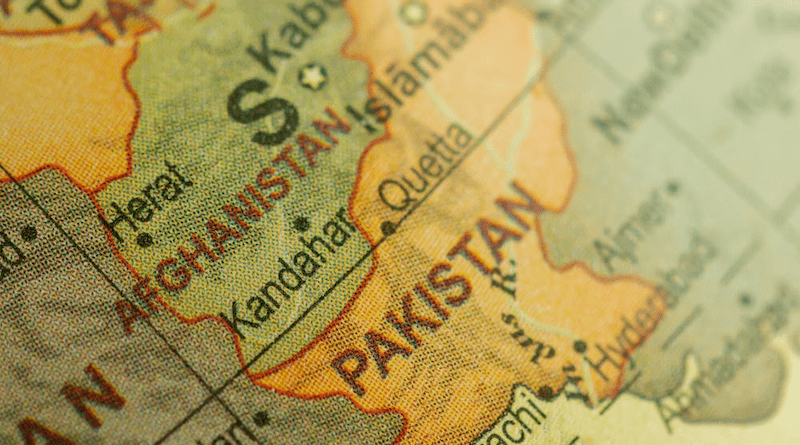
Afghanistan-Pakistan: Disinformation And The Loss Of Dialogue – OpEd
Since Pakistan and Afghanistan once again attempt to steer their fragile peace through diplomacy, their competition has taken on a completely modern form.
The battle is no longer waged merely over borders or at the negotiating table — now it is waged through virtual pipelines where influence, perception, and narrative are the new battlefields. What should have been a guarded move towards cooperation was preceded by and undercut by a parallel war of words fought on Twitter, threads, and Telegram posts.
There has been in the past few weeks a continued campaign of activity online emanating from Afghanistan state apparatuses and pro-Taliban media accounts. Some of these networks are connected with the General Directorate of Intelligence (GDI) and have the cover of being organized in time and tone. Even as Pakistan implored Kabul to make written commitments to expel militant sanctuaries — specifically TTP and Balochistan Liberation Army (BLA) ones — social media flared into charges that Islamabad was “sabotaging peace” and “shirking responsibility.” Too close to be coincidental.
The cyber war is a reflection of an ongoing trend: whenever Pakistan has escalated its grievances about security, the backlash begins online. The drill has become second nature — planned hashtags, doctored videos, and ghost-written tweets intended to ridicule Islamabad’s stance and portray it as unbending. This tactic of subversion of narrative allows Kabul’s defenders to conceal uncomfortable facts, namely the steady presence of anti-Pakistan terrorist groups operating with relative impunity across Afghan soil.
This spin is part of a greater reality about information age diplomacy. Nations of the new age battle not territory or right, but ownership of story. A loose thread can unravel months of negotiation; an early leak can taint facts before they can be denied. The cost is credibility — and in this crossfire electronic zone, Afghanistan’s good name as a serious negotiator may yet cost it.
Pakistan, for its part, has remained calm, insisting on verifiable security assurances in exchange for electronic taunts. It still has one consistent demand: peace will not be assured as long as militant safe havens remain along the border. Rather than disputing this underlying point, however, Kabul’s cyber operatives have opted for a perception war, branding Pakistan’s calls for responsibility as aggression.
This has turned the pursuit of peace into a war of codes. Where diplomats once exchanged communiqués, now they battle against viral disinformation campaigns designed to induce domestic consumers and international monitors. The goal is not just to influence opinion but to vaccuum dialogue — render real engagement unnecessary.
Behind each viral hashtag is a strategic game: deflect blame, distort reality, and rebrand guilt. The end product is a diplomatic effort always derailed by outrage online, with barely time for substantial advances. It is a maneuver that can win short-term headlines but does lasting damage to the region’s prospect for peace.
The irony is that Afghanistan still talks of “partnership” and “trust” in the rhetoric of the government while its webbed allies disseminate hate on the internet. This duplicity — theater of diplomacy on stage, propaganda behind the scene — indicates the gap between word and deed. Peace needs honesty; propaganda offers confusion.
If the Istanbul dialogue is to be something, it will have to rise above noise. Real progress will be built upon written words of obligation, shared responsibility, and political will to address the matrix of extremists who benefit from instability. Every minute spent on cyber distraction is a victory for those that preach hostility over compromise.
In this new age of diplomacy, it will be the party that resists the temptation of virtual theatrics and instead takes the safer path of verifiable action that emerges victorious. The battlefield, perhaps, may have moved to screens and servers, but the stakes remain ruthlessly real — peace, stability, and the future of a region too long haunted by its own demons.

Like what you read?
Please consider supporting Eurasia Review. Thank you for your consideration!
