
Sovereignty Under Siege: How The World Must Confront Trump’s Threats – OpEd
In an era defined by international cooperation and mutual respect for sovereignty, U.S. President Donald Trump’s threats to invade Greenland and the Panama Canal represent a stark deviation from global norms. These threats while rhetorical carry profound implications for international law, diplomatic relations, geopolitical, and stability. The international community must respond with a carefully calibrated strategy that balances condemnation, diplomatic engagement, economic sanctions, and military readiness, all while upholding the principles of sovereignty, global cooperation, and peace.
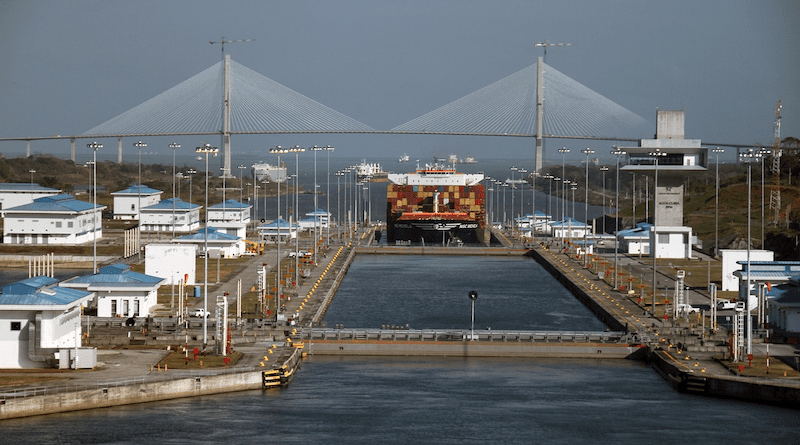
Trump’s rhetoric exposes significant vulnerabilities in the global order, particularly for smaller nations that find themselves at the mercy of larger powers. Denmark (Greenland) a NATO member and Panama (Panama Canal) a nation overseeing a trade route that facilitates nearly 6% of global maritime trade as of 2024 are strategic linchpins in their respective regions. Under Danish sovereignty, Greenland holds unparalleled importance in the Arctic due to its natural resources and strategic geopolitical position, while the Panama Canal plays a vital role in global commerce. Threats against these nations not only jeopardize their security but also destabilize the shared political and economic interests of the international community.
The first and most immediate response must be a unified unequivocal condemnation of such threats by international bodies like the United Nations and NATO. These organizations are pillars of the international system and leadership in denouncing any rhetoric undermining state sovereignty is crucial. Example For the United Nations’ strong stance in 2024 against Russia’s actions in Ukraine demonstrated the power of collective condemnation as 141 nations aligned denounced the invasion. Similarly, NATO’s affirmation of its Article 5 commitments—an attack against one member is an attack against all—would reassure Denmark of the alliance’s support. For Panama, the Organization of American States (OAS) could provide a platform regional for solidarity underscoring to Latin America that will not tolerate any external aggression against one of its own.
While public denunciation is vital the international community must also engage in behind-the-scenes diplomacy to prevent escalation. The European Union (EU) with its vested interest in Denmark and OAS given Panama’s strategic role in Latin America spearheads diplomatic efforts. These organizations could facilitate dialogue with the United States to de-escalate tensions, addressing any underlying issues while offering face-saving exits for all parties involved. Quiet diplomacy has historically proven effective in resolving crises as it allows for frank discussions without the pressures of public scrutiny. In this case, diplomacy must emphasize the long-term repercussions of undermining global norms including the potential isolation of the United States from States its allies.
Existing international frameworks offer additional mechanisms to address such threats. NATO should convene emergency meetings to reassess defense strategies, particularly in the Arctic where Greenland’s geopolitical importance has grown due to climate change and increasing resource competition. Similarly, the United Nations Security Council should address threats against Panama, invoking the Torrijos-Carter Treaties of 1977 which guarantee Panama’s sovereignty over the canal. By leveraging these institutions, the international community ensures that its response is not unilateral but reflects a collective to upholding commitment the principles of international law l.
Should rhetoric escalate into concrete actions the international community must be prepared to downgrade or sever diplomatic relations with the United States. History offers precedents for such measures; for instance in response to Russia’s annexation of Crimea in 2014 several nations expelled diplomats and reduced ties signaling their disapproval. A similar approach could politically and economically isolate the U.S. The administration is under pressure to resume diplomatic negotiations. While severing diplomatic relations would be an extreme measure, it would signal that the global community values the principles of sovereignty more than maintaining ties with a rogue administration.
The threats also highlight the importance of strengthening alliances and fostering regional unity. For Denmark, this means NATO bolstering’s presence in Europe and the Arctic to deter aggression. NATO’s increased deployment of troops in Eastern Europe in 2024 provides a model for how collective defense measures can reassure member states. For Panama regional solidarity is paramount. Latin American countries, under the auspices of the OAS, should lead the joint military in exercises to showcase their readiness to defend the canal. Such exercises would emphasize that Panama is not isolated but supported by its regional neighbors deterring potential aggressors by demonstrating a united front. Additionally, partnerships with major powers maritime like China and Japan could provide diplomatic and security assurances reinforcing the canal’s neutrality and sovereignty.
Economic sanctions remain one of the most effective tools for deterring aggression. Targeted sanctions against U.S. leadership and industries involved in any hostile actions could send strong a message. The coordinated sanctions against Belarus in 2024 which targeted high-official ranking and key sectors demonstrated the efficacy of economic measures in pressuring governments without resorting to military action. A coordinated approach involving the European Union, China, and other global powers would enhance the effectiveness of sanctions against the United States, leading to substantial economic repercussions that could compel a reassessment of aggressive policies.
While diplomatic sanctions are preferable, military preparedness cannot be overlooked. NATO should enhance its surveillance capabilities and defense measures near Danish territories including Greenland to deter potential aggression. For Panama military readiness focus should on regional cooperation. Joint military exercises involving Latin American countries would not only strengthen Panama’s defense capabilities but also reinforce regional solidarity. These exercises would serve as a deterrent signaling that any threat to the canal would be met with a unified response. Military actions must remain defensive and proportional, avoiding unnecessary escalation while also demonstrating the resolve of the international community.
The role of public opinion in shaping global responses to aggression cannot be underestimated. Informing citizens about the potential global consequences of territorial violations can help mobilize grassroots support for peaceful resolutions. In the United States public opposition to unilateral military actions has historically influenced policy decisions as seen during the Iraq War. By highlighting the economic and human costs of such threats the international community can pressure the U. S. administration to reconsider its rhetoric. Mobilizing public opinion also strengthens the global commitment to sovereignty and international law, making it more difficult for any nation to justify unilateral aggression.
Legal mechanisms under international law provide another avenue for addressing these threats. The International of Court Justice (ICJ) could adjudicate violations of sovereignty setting a legal precedent that reinforces global norms. For example, the ICJ’s 1986 against ruling the United States actions in Nicaragua underscored the importance of adhering to international law. Denmark and Panama could invoke treaties and seek arbitration to resolve disputes demonstrating their commitment to legal processes and while holding aggressors accountable.
The threats posed by Trump’s rhetoric underscore the need for long-term terms to strengthen the global order. Reforming international institutions such as the United Nations to ensure responses quicker to crises is essential. Investments in multilateralism including initiatives like the EU’s Arctic strategies in 2024 can reduce the likelihood of conflict by fostering cooperation and mutual understanding. Economic Building and cultural ties among nations further reinforce the principles of interdependence and shared responsibility creating a more resilient global system.
Trump’s threats of invading Greenland and the Panama Canal represent a profound challenge to the principles of sovereignty and global stability. The international community must respond with a comprehensive and multifaceted that prioritizes strategy and peaceful resolutions while remaining prepared to deter aggression. By leveraging existing institutions, strengthening alliances, public engagement and opinion, and upholding international law the global community can reaffirm its commitment to a world order based on cooperation and respect for sovereignty. In doing so it ensures that the principles of peace and mutual respect endure stability safeguarding for future generations.
The opinions expressed in this article are the author’s own.
References
- Ikenberry, G. John. (2023). A World Safe for Democracy: The Future of Liberal Internationalism. Yale University Press.
- Brands, Hal & Edel, Charles. (2023). The Fragile Balance of Power: The Future of American Foreign Policy. Harvard University Press.
- Slaughter, Anne-Marie. (2023). Renewing the Global Order: Multilateralism in the 21st Century. Princeton University Press.

Like what you read?
Please consider supporting Eurasia Review. Thank you for your consideration!
