
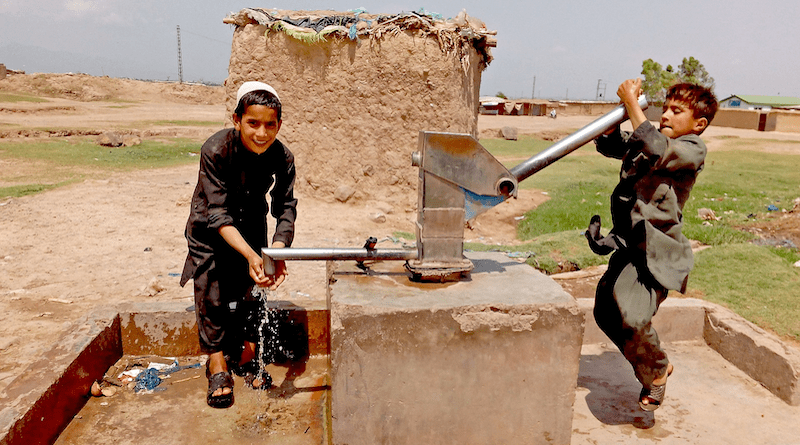
Pakistan: Examining Misperceptions In The Management Of Refugee Aid – OpEd
The allocation and management of international aid for Afghan refugees have become subjects of significant scrutiny, particularly concerning the role of neighboring countries like Pakistan. Recent claims suggest that Pakistan has misappropriated funds intended for Afghan refugees, particularly those provided by the United States and other Western nations. This perspective requires careful examination to differentiate between misinformation and the actual mechanisms of aid distribution by contextualizing these issues within broader regional dynamics.
A primary misconception is the direct management of aid funds by the Government of Pakistan (GoP). In practice, international aid designated for Afghan refugees is primarily administered by international organizations, including the United Nations High Commissioner for Refugees (UNHCR) and various international non-governmental organizations (INGOs). These bodies are responsible for the planning, allocation, and monitoring of aid resources.
The role of the Government of Pakistan largely involves facilitating logistical support, providing access to refugee camps, and coordinating with these organizations to implement aid programs effectively. The oversight of aid distribution by these international entities includes rigorous monitoring mechanisms to ensure that resources are utilized appropriately and reach the intended beneficiaries. These measures are designed to uphold transparency and accountability, thereby minimizing the risk of misappropriation by any involved party, including the host country.
Accusations against Pakistan suggest that it benefits disproportionately from aid meant for Afghan refugees. However, this perspective overlooks the fact that the aid distribution process involves multiple layers of oversight. Funds are often channeled through international agencies that operate independently of the GoP. Consequently, the allegations of direct misappropriation by the GoP lack substantial evidence when considering the established oversight and accountability frameworks in place.
To fully understand the complexities of aid management, it is essential to consider the situation within Afghanistan. Reports from the Special Inspector General for Afghanistan Reconstruction (SIGAR) highlight significant issues with aid management under the Taliban regime. According to SIGAR, of the $2.8 billion in aid transferred to Afghanistan, approximately $300 million remains unaccounted for. This discrepancy indicates systemic issues within the Taliban administration regarding financial oversight and resource allocation. Furthermore, the Taliban’s denial of the presence of terrorist groups like Tehrik-i-Taliban Pakistan (TTP) and Islamic State Khorasan Province (ISKP) in Afghanistan illustrates a broader pattern of mismanagement and evasion of accountability. Such actions undermine international efforts to stabilize the region and ensure that aid reaches those in need.
The U.S. withdrawal from Afghanistan has significantly impacted aid distribution dynamics. Since August 2021, the U.S. has provided approximately $2.1 billion in humanitarian aid to Afghanistan. However, the Taliban’s control over the country and the absence of effective oversight mechanisms have raised concerns about the diversion of aid for regime consolidation and other purposes. The involvement of international diplomatic channels, such as the Doha office, has inadvertently lent legitimacy to the Taliban. This situation complicates efforts to ensure that aid is used appropriately and highlights the challenges of negotiating with a regime accused of corruption and human rights violations. Regional geopolitical factors further complicate the narrative. For instance, India’s allocation of Afghan aid reflects its broader strategic interests in countering Pakistan’s influence and destabilizing the region. This geopolitical maneuvering often influences aid distribution and regional stability, adding another layer of complexity to the situation.
The discourse surrounding the allocation and management of aid for Afghan refugees necessitates a nuanced understanding of the roles and responsibilities of various stakeholders. The direct misappropriation of aid by Pakistan is a misconception when viewed against the backdrop of international oversight mechanisms and the actual distribution processes. Comparative analysis with Afghanistan’s own issues of aid mismanagement under the Taliban regime further contextualizes these concerns. Addressing these challenges requires a concerted effort to enhance transparency and accountability in aid distribution. Additionally, a deeper understanding of regional dynamics and geopolitical interests is essential for developing effective strategies to support refugees and foster stability in the region. This approach ensures that international aid serves its intended purpose and contributes meaningfully to addressing the humanitarian needs of Afghan refugees.

Like what you read?
Please consider supporting Eurasia Review. Thank you for your consideration!
