
A Call For Policy Shift In Kabul: Assessing Regional Dimensions – OpEd
The recent security forces operation in Loe Mamund, Bajaur district, which resulted in the killing of a Khawarij terrorist identified as Tariq—also known as Abbas—once again underscores a pattern that Pakistan has repeatedly flagged at the regional and international levels: Afghan nationals continue to be involved in terrorist activities inside Pakistan. Tariq’s identification as a resident of Nangarhar province is not an isolated detail; it reflects the persistence of cross-border infiltration orchestrated from Afghan soil. This trend poses a direct threat not only to Pakistan’s internal security but also to wider regional stability.
For years, Pakistan has maintained that the instability inside Afghanistan has spillover effects on its own security landscape. What makes the current situation especially concerning is the role of Afghan Taliban–controlled territories in facilitating this environment. These areas have increasingly become permissive spaces for the Khawarij militants, who exploit Afghanistan’s ungoverned or loosely governed zones to regroup, train, and launch attacks across the border. Despite repeated assurances, the Afghan Taliban have not acted decisively against these groups, allowing their networks to expand with impunity.
The case of Tariq illustrates the deepening problem of Afghan-based individuals participating in terrorist attacks inside Pakistan. Bajaur, Mohmand, North Waziristan, and other border districts have witnessed consistent attempts by infiltrators to breach the frontier. These individuals frequently travel from Afghan provinces like Kunar, Khost, and Nangarhar—areas long known for hosting militant infrastructures. Pakistan’s counterterrorism forces have neutralized dozens of such infiltrators in recent months, demonstrating a clear pattern: Afghan soil continues to serve as a launchpad for anti-Pakistan terrorism.
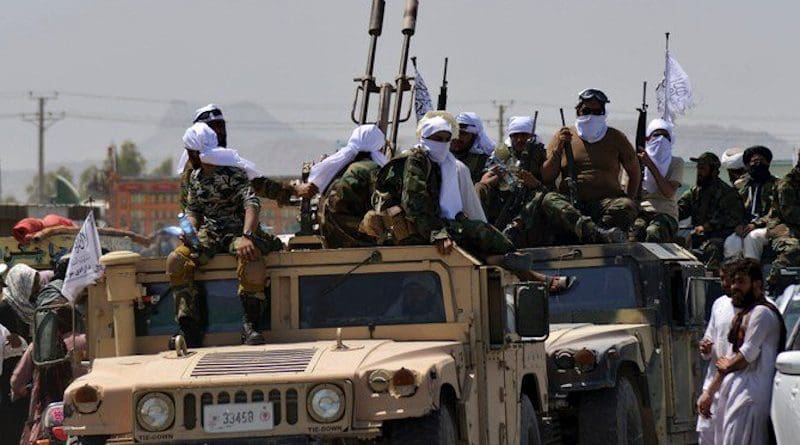
The Taliban leadership in Kabul has either been unwilling or unable to rein in these groups. While publicly committed to preventing Afghanistan from being used for terrorism, in practice the Taliban have allowed Khawarij elements—particularly factions of the Tehreek-e-Taliban Pakistan (TTP)—to operate freely. These terrorists find sanctuaries, training bases, and logistical corridors in Afghan territory, enabling them to conduct attacks inside Pakistan and retreat back across the border.
The Afghan Taliban’s reluctance to take action is deeply troubling. Their policy ambiguity creates a security vacuum in which terrorist groups thrive. Reports indicate that the Taliban not only tolerate certain Khawarij factions but also provide them with logistical and operational support. This support includes shelter, safe passage, and in some cases, weapons. Such cooperation has emboldened militants and significantly increased the frequency of cross-border attacks.
There are also credible assessments that the Afghan Taliban’s accommodation of these terrorist elements is partly driven by geopolitical motives. By leveraging extremist groups, the Taliban seek to cultivate relationships with external actors—particularly India—whose own strategic rivalry with Pakistan benefits from instability along Pakistan’s western border. While Kabul denies such cooperation, the ground realities and recurring patterns on the border cast serious doubts on these denials.
The consequences of this policy go beyond Pakistan. An Afghanistan that shelters and enables militant groups poses a direct threat to global peace. The unchecked spread of extremist networks creates openings for transnational terrorism, undermines counter-terrorism frameworks, and destabilizes the broader region. It also isolates Afghanistan diplomatically at a time when it desperately needs international recognition and economic relief.
Pakistan’s position remains clear and uncompromising. The state has repeatedly stressed that it will never tolerate any form of terrorism emanating from Afghan soil. Pakistan’s security forces continue to take decisive action against infiltrators, destroying hideouts and dismantling networks with precision. Operations like the one in Loe Mamund demonstrate Pakistan’s capability and resolve to neutralize threats while adhering to international laws and norms.
For Pakistan, the protection of innocent lives is non-negotiable. Every cross-border attack is treated with urgency, and every intruder is pursued relentlessly. However, Pakistan also understands that unilateral actions alone cannot resolve the issue. Sustainable peace requires the Afghan Taliban to fulfill their obligations under international expectations, bilateral commitments, and basic norms of responsible state behavior.
It is time for the Afghan Taliban to rethink their approach. By allowing their territory to become a haven for Khawarij and TTP militants, the Taliban are undermining their own credibility and risking long-term instability. No state can hope to gain legitimacy while enabling terrorist organizations. Afghanistan must take decisive steps to curb cross-border terrorism, dismantle militant sanctuaries, and hand over individuals involved in attacks inside Pakistan.
The killing of an Afghan national involved in terrorist activity inside Pakistan is another stark reminder of the dangers posed by cross-border militancy. Unless the Afghan Taliban take concrete steps to sever ties with Khawarij factions, Afghanistan will continue drifting toward becoming a global threat epicenter. For the sake of regional peace, international security, and their own future, the Taliban must urgently correct course. Pakistan, meanwhile, will continue to defend its people with resolve, responsibility, and unwavering commitment to peace.

Like what you read?
Please consider supporting Eurasia Review. Thank you for your consideration!
