
Setting The Record Straight On Afghan Refugees – OpEd
The Washington Post ran a story on October 5, 2025, accusing Pakistan of deporting Afghans who were waiting for resettlement in the United States, some of them reportedly people who worked with American forces.
The way the article framed it, you’d think Pakistan suddenly turned cold after decades of generosity. But that’s not quite how things are. The piece misses the broader picture: four decades of Pakistan quietly doing what richer countries wouldn’t, and the West’s long pattern of making promises it doesn’t keep.
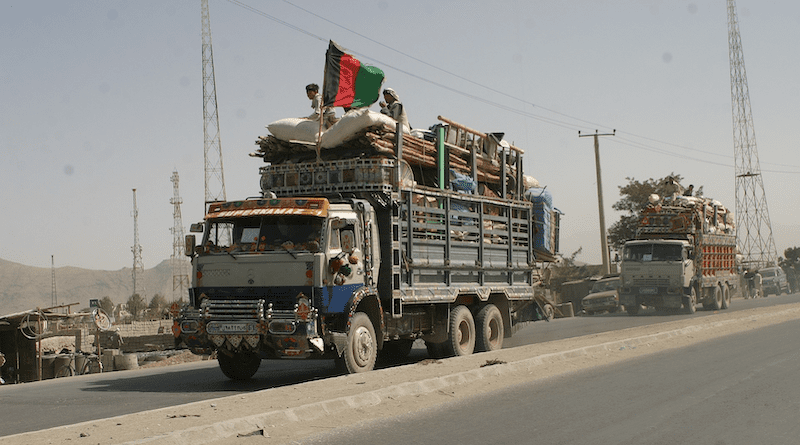
Since the early 1980s, Pakistan has hosted millions of Afghan refugees, through invasions, civil wars, and foreign occupations. That’s over forty years of keeping the borders open, feeding and housing strangers, and letting them live, study, and work alongside its own people. No fancy headlines, no global applause, just a consistent effort to keep human lives safe in a country already struggling with its own challenges.
Back then, when Afghanistan was caught between the Soviets and American-backed forces, millions fled across the border with nothing. Pakistan didn’t turn them away. Schools took in Afghan children. Hospitals treated them. Entire neighbourhoods grew where Afghan families built new lives. These weren’t isolated gestures of charity; they became part of the country’s social fabric. Many Afghans born in Pakistan grew up speaking Urdu, cheering for the same cricket teams, and studying in the same classrooms as locals. That kind of integration doesn’t happen without genuine hospitality.
The truth is, Pakistan’s generosity has come at a cost. Hosting millions of refugees means sharing already-limited jobs, housing, and infrastructure. It also means dealing with the politics, the security concerns, and the international pressure that come with being the “frontline state.” Yet through it all, Pakistan didn’t slam the door shut. Even during times of terrorist attacks and economic crisis, ordinary Pakistanis continued to live side by side with Afghan neighbours.
So, when Western media turns around and blames Pakistan for the current refugee crisis, it feels like selective outrage. The real story isn’t about deportations; it’s about promises broken by others. The Afghans now stuck in limbo weren’t promised homes by Pakistan. They were promised resettlement by the United States and its allies. Those same countries asked them to risk their lives, to serve as interpreters, guards, and guides during the war. Then, when the missions ended, they paused or abandoned the visa programs that were supposed to bring those people to safety.
Pakistan stepped in again, offering temporary refuge to those left behind, working with the UNHCR and IOM to document and protect them. There’s no government order to round up and expel US-approved refugees. There are, like in any bureaucracy, occasional administrative mix-ups or overzealous local actions, but those aren’t national policy. In fact, Pakistan has repeatedly urged the US to speed up its resettlement process so these families aren’t stuck in limbo forever.
What’s frustrating is how Western coverage often ignores this context. It’s easier to point fingers at a developing country than to hold powerful ones accountable. The same countries that poured billions into war efforts have slashed their refugee support budgets. Pakistan’s refugee programs, once partially funded by international donors, now run-on fumes. Yet Pakistan keeps doing the work, providing land, healthcare, and schools, often with little recognition.
It’s also important to remember how deep the connection between Afghans and Pakistanis runs. In the tribal belt and border regions, families cross both sides. They share languages, marriages, traditions, and sometimes even last names. The idea that Pakistan treats Afghans as outsiders just doesn’t hold up when you see how intertwined their lives are. Of course, there have been tensions, competition for jobs, occasional crime, and security concerns, but show me a country that’s absorbed millions of people and hasn’t faced those issues.
The refugee situation is messy because it’s the product of decades of geopolitical mistakes. The US and NATO didn’t just fight a war in Afghanistan; they reshaped the entire region’s security and economy. When those forces left, the consequences didn’t stop at Kabul’s borders. They spilled into Pakistan, Iran, and beyond. Now, when Afghans flee the chaos left behind, Pakistan is still where they go first. It’s been that way for forty years, and it’s not because Pakistan is perfect, it’s because it’s close, familiar, and, more often than not, compassionate.
Yet Western governments continue to underfund refugee assistance and then act surprised when host countries can’t do more. It’s a cycle: the West intervenes, creates instability, and leaves countries like Pakistan to clean up the humanitarian mess. Then the media swoops in to criticize Pakistan for not being “humane enough.” It’s a pattern that’s as frustrating as it is unfair.
Let’s not pretend Pakistan has handled everything flawlessly. There have been tough moments and controversial policies, especially when refugee management collides with national security. But there’s a big difference between occasional mismanagement and systematic cruelty. The record shows cooperation with international agencies, voluntary repatriation programs, and continued efforts to keep families safe while the world debates paperwork.
What’s missing from most Western stories is empathy for the host country. Pakistan isn’t a bystander; it’s been part of this humanitarian effort for generations. Its people have shared their neighbourhoods, schools, and resources. You’ll find Afghan restaurants in Islamabad that have been around for decades and Afghan students topping Pakistani universities. That doesn’t happen in a place that treats refugees as expendable.
The bigger question is: where is the accountability for the promises made by Washington and its allies? The US pledged to resettle Afghans who risked their lives for American missions. Instead, it paused visa processing, cited bureaucratic hurdles, and left thousands in limbo. Pakistan isn’t responsible for that failure. Yet somehow, it’s Pakistan that gets shamed when it tries to manage the fallout.
When people in the West talk about “values” and “moral responsibility,” they should remember what those words actually mean. Pakistan has lived them for decades, without wealth, without international praise, and often without help. It’s easy to criticize from comfortable capitals thousands of miles away. It’s harder to understand what it means to carry a humanitarian burden that wasn’t yours to begin with.
The narrative needs balance. Pakistan isn’t an angel, but it’s far from the villain it’s made out to be. It’s a country that has done more for Afghan refugees than any Western nation, often quietly, often thanklessly. Maybe the next time the conversation turns to who’s responsible for Afghan suffering, we should start by asking who made the promises, and who actually kept them.

Like what you read?
Please consider supporting Eurasia Review. Thank you for your consideration!
