
Afghan Taliban’s Governance And Its Regional Implications – OpEd
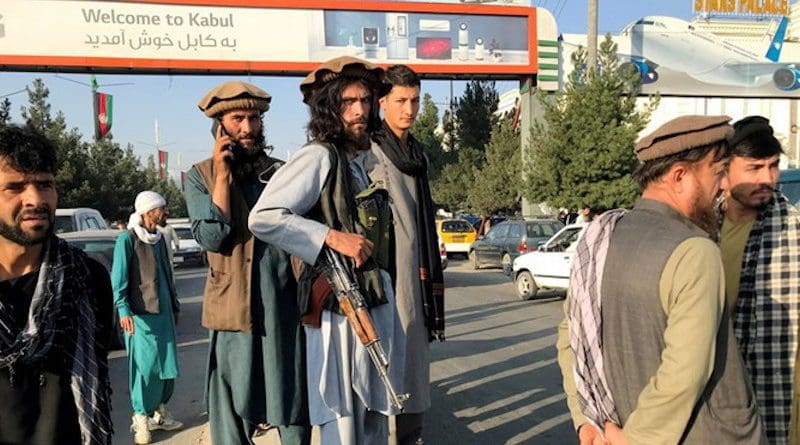
The Taliban return to Kabul pushed Afghanistan into global terror pit that keeps widening every month. No diplomatic spin can hide ugly truth. Taliban rulers promised discipline focus and compliance during Doha process yet ground reality shows zero effort toward stability. Pakistan carries direct fire from this meltdown through cross border attacks rising extremist mobility plus safe havens that keep expanding inside Afghan belt. Anyone insisting situation remains manageable lives in fantasy.
Taliban regime walked into Kabul with noise about ending chaos yet proved incapable of running coherent security structure. Doha accord set clear benchmarks but no benchmark stands fulfilled. Taliban pledged firm action against militias extremist outfits and international terror networks yet terrorist flows increased rather than decreased. Afghan soil now works as staging ground for multiple factions pushing operations across region. Pakistan feels burn first because of shared border porous terrain and long history of militant exploitation. Expecting relief without structural change remains delusion.
Multiple UN reports plus findings from global watchdog bodies exposed Taliban reluctance to challenge terror actors. These reports again validated Pakistan warnings about fallout from Taliban permissiveness. Numbers show rising training activity resource pipelines recruitment cycles plus safe corridor expansion. Pakistan kept raising alerts because cross border fighters use Afghan soil to plan raids hit security forces and retreat without pursuit risk. Taliban made no serious move to block routes or disrupt networks. Statements remain hollow without sustained enforcement muscle.
Taliban rulers show no appetite for confrontation with groups operating inside Afghan belt. Instead regime provides logistical space plus financial tolerance that empowers extremists. Bonds with these factions run deep driven by years of battlefield cooperation plus ideological alignment. Expecting sudden crackdown ignores power calculus. Any outfit holding armed leverage inside Afghanistan holds bargaining leverage over Kabul leadership. Taliban fear internal splits erosion of control and backlash so they avoid action. This cowardice feeds instability across region.
Matter worsens through growing closeness between Afghan Taliban and India. Indian outreach aims to gain influence inside Kabul space counter Pakistan interests and shape security dynamics. Taliban leadership exploits this opening for money visibility and diplomatic capital yet ignores security consequences. India simply uses Taliban weakness to widen strategic footprint. Result becomes further pressure on Pakistan because Indian presence mixes with terror safe havens creating multi layered threat environment. Taliban fail to grasp that reckless engagement invites more chaos not more legitimacy.
Obligations under Doha agreement remain non negotiable. Taliban accepted responsibility to deny any terror group freedom to operate recruit or plan operations. Taliban also accepted duty to prevent threats against neighboring states. Failure to meet these commitments requires strong pushback. Global community must enforce compliance with hard pressure not soft lectures. Taliban respond only when stakes rise. Words never moved this regime. Material consequences might.
Taliban must shut terror camps cut resource lines eject foreign fighters and dismantle networks using Afghan soil for regional strikes. Action requires full intelligence cooperation credible enforcement steps border discipline plus willingness to confront factions without excuses. Taliban refusal to deliver shows regime values power preservation over peace commitments. International patience keeps shrinking because terror export from Afghan territory risks wider conflict.
If Taliban still ignore obligations global community needs to impose severe measures. Sanctions restrictions travel bans plus frozen assets must return with sharper force. US leadership must push coordinated strategy with allies including targeted financial chokeholds against Taliban officials and entities funding terror groups. Humanitarian exemptions can remain but regime pressure must increase. Diplomatic engagement alone achieved nothing. Taliban understand strength not softness.
Regional states cannot wait for miracle change. Pakistan especially must strengthen border defenses expand surveillance intensify intelligence operations and build alliances with states facing similar threats. Pakistan kept showing restraint yet restraint without reciprocal control from Afghan side turned into security burden. Pakistan cannot outsource safety to Kabul rulers who refuse tough decisions. Pakistan must adopt firm posture because threats rising from Afghan side aim to damage national stability.
Reality remains harsh. Taliban takeover removed weak government yet replaced it with regime unwilling to govern responsibly. Afghanistan now sits as global terror hub fueling cross border violence supplying extremist networks and undermining regional balance. Pakistan bears frontline impact painful costly and constant. Taliban leadership shows no strategic maturity and no willingness to break alliances with extremist factions. Global community must stop pretending time will fix things. Time made things worse.
Afghan Taliban stand at crossroads. They either fulfill Doha commitments or face isolation pressure and crackdown from outside world. No state wants Afghanistan turning into export center for militants. Taliban refusal to act turns regime into problem not partner. International pressure must rise until Taliban understand that support for terror groups brings heavy consequence. Regional security cannot depend on hope. It depends on accountability. Afghanistan must stop working as terror sanctuary or face forceful collective response.

Like what you read?
Please consider supporting Eurasia Review. Thank you for your consideration!
