
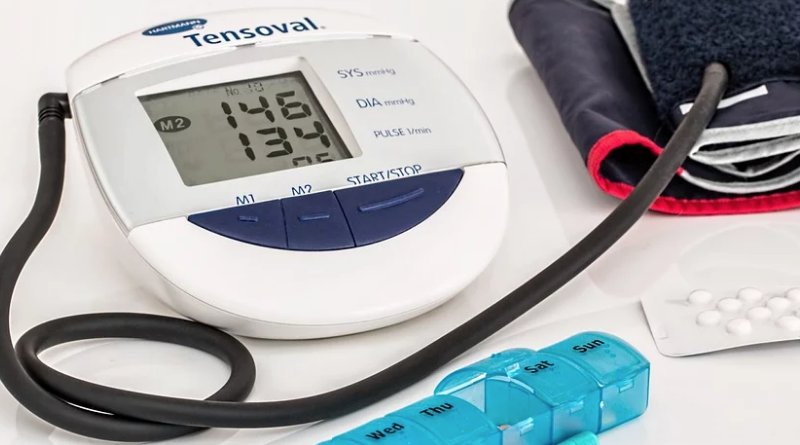
Blood Pressure: Managing Increasing Risks And Complications – OpEd
Blood pressure is the force exerted by circulating blood against the walls of the arteries as the heart pumps it through the body. It is one of the vital signs used to assess overall health. The measurement is expressed in two numbers: systolic pressure, which represents the pressure when the heart contracts, and diastolic pressure, which denotes the pressure when the heart rests between beats. The unit of measurement is millimeters of mercury (mmHg), and a normal reading is typically around 120/80 mmHg. The origin of blood pressure lies in the heart’s pumping action. As the heart contracts, it pushes blood into the arteries, creating pressure on the arterial walls. This pressure is necessary to ensure blood reaches all organs and tissues, supplying oxygen and essential nutrients. The circulatory system, composed of the heart, arteries, veins, and capillaries, works in harmony to maintain optimal blood flow and pressure.
Influencing factors
Several factors can influence blood pressure levels, leading to either hypertension (high blood pressure) or hypotension (low blood pressure). The causes of high blood pressure are often linked to lifestyle and genetic factors. Unhealthy dietary habits, high salt intake, obesity, lack of physical activity, stress, and excessive alcohol or tobacco use can contribute to hypertension. Underlying medical conditions such as kidney disease, thyroid disorders, and diabetes may also elevate blood pressure. On the other hand, hypotension may result from dehydration, heart problems, endocrine disorders, or certain medications. The symptoms of abnormal blood pressure vary depending on whether it is high or low. Hypertension is often referred to as a “silent killer” because it typically does not cause noticeable symptoms until it reaches a severe stage. However, some individuals may experience headaches, dizziness, chest pain, or nosebleeds. Persistent high blood pressure can damage the heart, kidneys, eyes, and arteries, increasing the risk of heart attacks, strokes, and other life-threatening complications. Conversely, low blood pressure can cause dizziness, fainting, blurred vision, nausea, and fatigue. In severe cases, it may lead to shock, a life-threatening condition where the organs do not receive enough blood.
Diet and Precautions
A well-balanced diet plays a crucial role in managing blood pressure and maintaining overall cardiovascular health. Proper dietary habits, combined with certain precautions, can significantly reduce the risk of developing hypertension or hypotension and prevent complications associated with abnormal blood pressure levels. The ideal diet for controlling blood pressure includes a variety of nutrient-rich foods. Fresh fruits and vegetables, particularly those high in potassium like bananas, spinach, and sweet potatoes, help regulate blood pressure by balancing sodium levels in the body. Whole grains such as oats, brown rice, and whole wheat bread provide essential fiber, which supports heart health. Low-fat dairy products, lean proteins like fish, chicken, and legumes, and healthy fats from sources like olive oil, nuts, and avocados contribute to a heart-friendly diet. Reducing salt intake is one of the most critical dietary precautions. Excessive salt consumption causes the body to retain water, which increases blood pressure. It is advisable to avoid processed foods, canned products, and fast food, as they often contain high amounts of hidden sodium. Hydration also plays a vital role in maintaining normal blood pressure, especially in cases of hypotension. Drinking an adequate amount of water throughout the day helps prevent dehydration, which can lead to low blood pressure and dizziness. However, excessive consumption of caffeinated or alcoholic beverages should be avoided, as they can either raise or lower blood pressure depending on the individual’s condition.
Necessary precautions
In addition to diet, adopting certain precautions is essential. Regular physical activity, such as walking, swimming, or yoga, helps improve blood circulation and maintain a healthy weight. Managing stress through meditation, deep breathing exercises, or hobbies can prevent sudden spikes in blood pressure. It is important to follow prescribed medication regimens strictly and avoid self-medication, as certain drugs can interfere with blood pressure levels. Routine medical check-ups allow for early detection and timely management of any irregularities. By following a balanced diet, staying active, and adhering to necessary precautions, individuals can effectively manage blood pressure and improve their quality of life. Consistent efforts toward a healthy lifestyle not only regulate blood pressure but also promote long-term well-being and prevent life-threatening complications.
Advancements and techniques
Over the years, significant advancements in medical science have revolutionized the diagnosis, management, and treatment of blood pressure-related disorders. Continuous research and technological innovations have led to more effective methods for controlling both hypertension and hypotension, improving patients’ quality of life and reducing the risk of complications. These advancements are paving the way for more personalized, precise, and long-lasting treatments in the future. One of the most notable advancements is the development of advanced blood pressure monitoring devices. Digital blood pressure monitors equipped with Bluetooth technology and smartphone applications allow individuals to monitor their blood pressure at home accurately. These smart devices provide real-time data, enabling patients and doctors to track fluctuations and make timely adjustments to treatment plans. Wearable fitness trackers that measure heart rate and blood pressure have also become increasingly popular, promoting regular health monitoring and early detection of abnormalities. Medications have also undergone significant improvements. New classes of antihypertensive drugs, such as angiotensin receptor neprilysin inhibitors (ARNIs) and selective aldosterone receptor antagonists, offer more targeted treatments with fewer side effects. Researchers are exploring gene-based therapies to identify genetic factors contributing to hypertension, paving the way for personalized treatment based on an individual’s genetic makeup.
Prospects of treatment
Non-invasive treatment methods are emerging as promising alternatives to traditional medications. Renal denervation, a minimally invasive procedure that uses radiofrequency energy or ultrasound to disrupt nerves around the kidneys, has shown positive results in lowering blood pressure in patients who do not respond well to medication. Another innovative approach is the use of implantable devices that stimulate the baroreceptors, nerve endings that help regulate blood pressure, providing long-term control without the need for daily medication. The future of blood pressure management is moving toward precision medicine, where treatment is tailored to each patient’s specific condition, lifestyle, and genetic background. Artificial intelligence and machine learning are being integrated into healthcare systems to analyze patient data and predict blood pressure patterns, allowing for more accurate and timely interventions. Telemedicine is becoming an essential tool in providing remote consultations and continuous monitoring, especially in rural areas with limited access to healthcare facilities.
Research findings
In addition to medical advancements, research into natural remedies and lifestyle-based interventions continues to gain attention. Dietary supplements, such as probiotics and certain plant-based compounds, are being studied for their potential in lowering blood pressure. Meditation, mindfulness practices, and personalized fitness programs are increasingly recognized as complementary therapies alongside conventional treatments. The future holds great promise for blood pressure management, with a growing emphasis on preventive care, patient empowerment, and holistic approaches. As technology and medical knowledge continue to advance, the combination of innovative treatments and proactive lifestyle changes is expected to improve outcomes and significantly reduce the global burden of blood pressure-related diseases.

Like what you read?
Please consider supporting Eurasia Review. Thank you for your consideration!
