
Afghanistan’s Political Posturing In The Region – OpEd
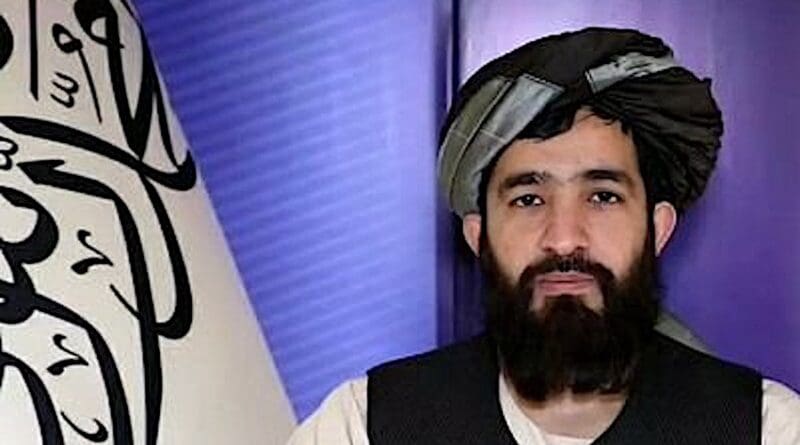
In a striking statement shared on social media platform X, Abdul Qahar Balkhi, the spokesperson for the Afghan government, expressed grave concern over the escalating tensions between the Pakistani government and its political opponents. Balkhi warned that the deteriorating political climate in Pakistan poses a significant risk to regional stability. However, many analysts view this intervention as not only misplaced but also an alarming distraction from the pressing issues facing Afghanistan itself.
Critics argue that the Afghan government, led by the Taliban, is in no position to lecture Pakistan on governance. As Afghanistan grapples with severe humanitarian crises, widespread media suppression, and a faltering economy, observers contend that the Taliban should first address these internal challenges before commenting on the political dynamics of their neighbor. The irony is palpable: while the Taliban seek to advise Pakistan, their own governance struggles remain dire, with rampant violence and the persistence of extremist safe havens threatening both national and regional security.
The situation in Pakistan, a complex interplay of political dissent and governmental response, is an internal matter that Afghan authorities should refrain from politicizing. Pakistan’s democratic process, while fraught with tension, is its own to navigate. The Afghan government’s unsolicited commentary risks further exacerbating regional tensions rather than contributing to stability.
Recent events in Islamabad underscore the precarious nature of Afghanistan’s own internal issues. Approximately 120 Afghan nationals were arrested for engaging in violence against police and disrupting public order. This incident serves as a stark reminder of the Taliban’s ongoing challenges in maintaining control and security within their borders. It also raises questions about the Afghan government’s ability to manage its own citizens, a fundamental aspect of governance that should take precedence over commentary on Pakistan.
If the Taliban genuinely seek to foster regional stability, their focus should shift to curbing terrorism, addressing extremist enclaves, and alleviating the oppressive conditions faced by their own citizens. The prospect of a stable Afghanistan is intricately linked to the security of the broader region; yet, without effective governance and a commitment to human rights, such stability remains elusive.
In this context, Balkhi’s statements may reflect a deeper misunderstanding of both Afghanistan’s role in regional politics and the practicalities of governance. Rather than positioning themselves as advisors, Afghan officials would do well to prioritize the pressing needs of their own populace, fostering an environment where stability can flourish from within.
As the political landscape in Pakistan evolves, the Afghan government must recognize that actions speak louder than words. Before offering unsolicited guidance, they should ensure that their own house is in order. Only through addressing its internal challenges can Afghanistan contribute meaningfully to the dialogue on regional peace and stability.

Like what you read?
Please consider supporting Eurasia Review. Thank you for your consideration!
