
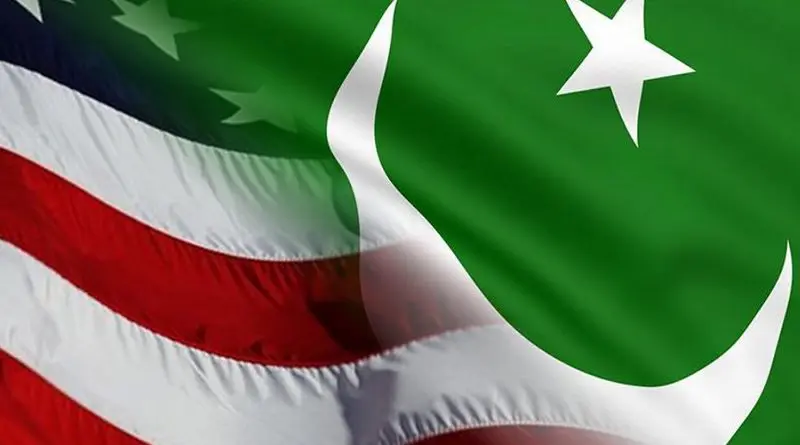
US–Pakistan Partnership On Critical Minerals – OpEd
In a development that underscores the evolving landscape of bilateral economic cooperation, the United States-based company US Strategic Minerals (USSM) has signed a Memorandum of Understanding (MoU) with Pakistan to collaborate on the production and development of critical minerals. The agreement, formalized during a visit by USSM representatives to Islamabad, marks a significant step in deepening economic ties between the two countries and signals a new era of strategic engagement built on shared economic interests.
The MoU on critical minerals is widely seen as a welcoming development in US–Pakistan economic relations. It reflects not only an acknowledgment of Pakistan’s resource potential but also a recognition of the country’s growing relevance in the global supply chain ecosystem. As global demand for critical minerals surges driven by rapid advancements in clean energy technologies, electric vehicles, and digital infrastructure securing reliable sources of these essential raw materials has become a strategic priority for many nations.
US investors increasingly view Pakistan as a frontier of untapped opportunity. With rich deposits of copper, lithium, rare earth elements, and other strategic minerals, Pakistan offers a promising landscape for investment in a sector that underpins the 21st-century technological economy. The entry of USSM into this domain represents not merely a commercial venture, but a broader signal of long-term confidence in Pakistan’s economic resilience and its capacity to become a reliable partner in high-value global industries.
This minerals partnership also reflects a growing strategic alignment between the United States and Pakistan. Over the past decade, bilateral relations have often been shaped by security and geopolitical concerns. However, initiatives such as this mark a shift toward a more balanced and mutually beneficial relationship, where economic cooperation is placed at the forefront. By working together in critical minerals production, the two countries are laying the groundwork for a new dimension of partnership anchored in shared economic growth and technological progress.
Moreover, Pakistan is emerging as a trusted partner in strengthening resilient global supply chains. The COVID-19 pandemic and subsequent geopolitical disruptions have underscored the vulnerabilities of overly concentrated supply chains. Diversifying sourcing locations is now an imperative for global industries, and Pakistan’s participation in this diversification effort enhances its international standing as a dependable and strategically located contributor to global economic stability.
The signing of the MoU is more than an isolated business agreement; it symbolizes a broader vision of economic connectivity, innovation, and trust. Expanding commercial ties between the two countries signal a growing long-term confidence in Pakistan’s institutional capabilities, workforce potential, and policy direction. It also reflects Pakistan’s gradual repositioning from a traditional aid-recipient narrative toward that of an emerging player in global industrial value chains.
As the partnership evolves, the US–Pakistan collaboration on critical minerals could serve as a model for future ventures in other high-value sectors. This new chapter holds the promise of transforming economic relations into a strategic partnership grounded in innovation, sustainability, and mutual benefit.

Like what you read?
Please consider supporting Eurasia Review. Thank you for your consideration!
