
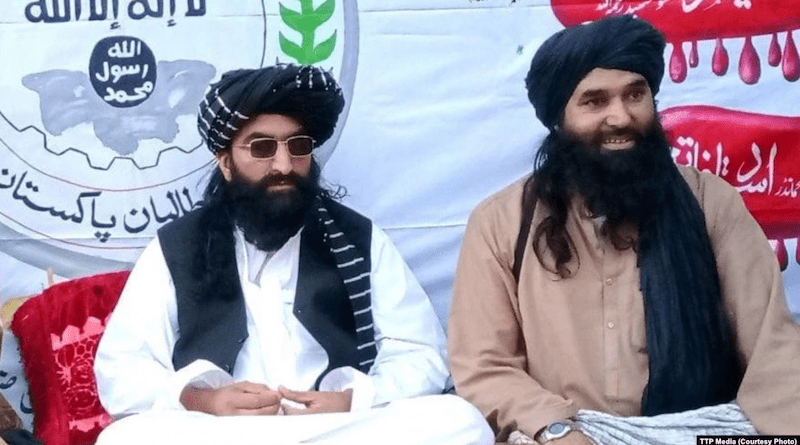
Zakir’s Pledge In Paharpur: Ambition, Betrayal, And The Mehsud Grip On TTP – OpEd
The recent pledge of allegiance by Abdul Samad alias Zakir, a local commander in Paharpur, Dera Ismail Khan, to Tehreek-e-Taliban Pakistan (TTP) chief Noor Wali Mehsud is more than a routine act of loyalty. It marks another step in the ruthless consolidation of TTP under the Mehsud clan’s dominance, and a stark reminder of how personal ambition, foreign money, and Afghan safe havens continue to shape the dynamics of militancy in Pakistan’s tribal belt.
A Surrender Disguised as Loyalty
Zakir’s oath is not an expression of faith, nor is it born from ideological conviction. Rather, it is an act of surrender. Once a figure who commanded his own men and held sway in his community, Zakir has now reduced himself and his fighters to mere pawns in the expansionist game of the Mehsud-led TTP. In aligning with Noor Wali, he has traded independence for survival, autonomy for subservience, and the trust of his people for personal gain.
For the fighters of Paharpur, this development is a loss of identity and autonomy. They are no longer warriors defending their tribal or regional interests; they have been absorbed into a Mehsud-dominated command structure that views them only as expendable assets. Noor Wali does not see them as partners in a cause but as numbers—disposable foot soldiers to be deployed in attacks, sacrificed for tactical gains, and discarded when no longer useful.
Betrayal of the Community
At its core, Zakir’s decision is a betrayal. He has chosen personal ambition and financial incentives over loyalty to his community and fighters. Instead of safeguarding the interests of D.I. Khan and its people, he has delivered them into the service of a terrorist network that has brought decades of death, destruction, and instability to Pakistan. For the local population, this pledge represents not just a change in allegiance but a deep wound, a reminder that their sons are being handed over to extremist leaderships with no regard for their lives or their futures.
Zakir’s move must also be understood within the broader strategy of Noor Wali Mehsud. Under his leadership, the TTP has been aggressively consolidating smaller, fragmented militant groups into its fold. These mergers are not aimed at strengthening “jihad” or advancing any ideological cause; they are meant to cement Mehsud supremacy within the militant landscape. The TTP, in effect, has become a tribal project masquerading as a religious movement—one that prioritizes clan dominance over any broader agenda.
Opportunism Over Ideology
This alliance, like many before it, is built not on shared beliefs but on opportunism. Afghan Taliban safe havens and foreign funding—often facilitated by hostile intelligence agencies—act as the glue holding these shaky coalitions together. Yet history has shown that such alliances collapse as soon as financial lifelines dry up or leadership disputes emerge. The supposed “unity” of militants is a fragile façade, destined to fragment when ambition and mistrust resurface.
For the young men drawn into Zakir’s orbit, the consequences are grave. Many will soon find themselves on the frontlines of a violent campaign they neither designed nor truly believe in. They will be used, sacrificed, and abandoned, while their families and communities bear the long-term scars of grief, poverty, and social dislocation. Meanwhile, leaders like Zakir will continue to chase personal survival, cloaked in rhetoric but driven by self-interest.
For the people of southern Khyber Pakhtunkhwa, Zakir’s pledge is more than just another militant reshuffle—it is a betrayal that deepens insecurity and perpetuates the cycle of violence. Instead of being shielded from external manipulation, local fighters are now bound to a chain of command controlled by Mehsud leadership and sustained by Afghan safe havens. This makes communities more vulnerable to militant exploitation and prolongs instability in a region already battered by terrorism.
Conclusion: Exposing the Myth
The pledge in Paharpur exposes the myth that such alliances are about ideology or faith. In reality, they are about power, money, and the ruthless exploitation of vulnerable youth by a leadership obsessed with dominance. Noor Wali’s TTP thrives not because of devotion to any cause, but because of opportunistic commanders like Zakir who trade autonomy for survival, betraying their people in the process. For Pakistan, the lesson is clear: dismantling these networks requires not only military operations but also political, social, and economic strategies that deny militants the ability to exploit local grievances and foreign patronage. Until then, pledges like Zakir’s will remain a dangerous reminder of how communities can be manipulated into serving a project of terror disguised as faith.

Like what you read?
Please consider supporting Eurasia Review. Thank you for your consideration!
