
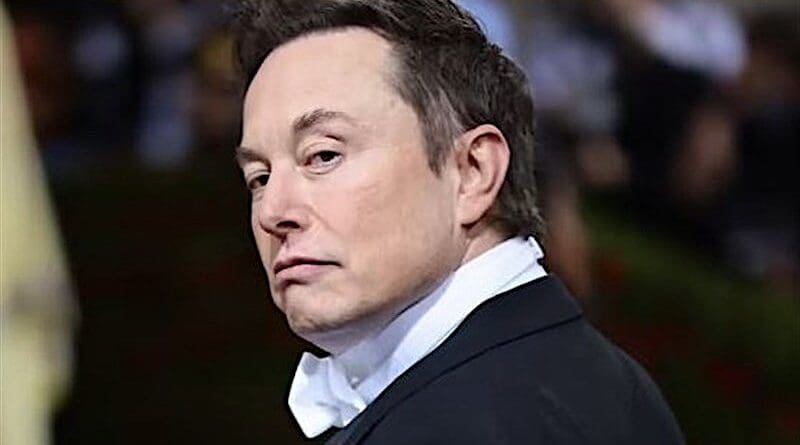
The Selective Outrage Over Musk – OpEd
The Liberal Democrats’ decision to call out Elon Musk for speaking at the Unite the Kingdom march is one of those stories that instantly splits opinion. Some people see it as a billionaire meddling in British politics. Others shrug and say it’s just another loud voice in a noisy democracy. What strikes me is not whether Musk was “right” or “wrong” to speak, but the way politicians frame these things depending on who’s talking.
If Musk’s comments are branded “interference,” then what about all those times foreign parliaments pass resolutions on Britain’s internal disputes? Those resolutions might not change the law here, but they do influence perception, pressure courts, and give campaigners a boost. If one counts as meddling, so does the other. The line only makes sense if it’s applied consistently, and right now it isn’t.
There’s also the fact that Western leaders often openly support protests in other countries. They post messages of solidarity, send envoys, sometimes even show up in person. That clearly shapes internal debates abroad. People welcome it when they agree with the cause, but if we’re being honest, it’s still outside influence. Musk standing in Trafalgar Square might feel unusual, but it’s not fundamentally different.
That’s where the hypocrisy starts to show. Condemning him while tolerating interventions from friendlier governments or foreign parliaments isn’t a principled defense of sovereignty. It’s just politics. And people notice. If democratic norms are only invoked when they’re convenient, those norms lose credibility.
The principle of sovereignty either means something across the board or it’s just a talking point. I’m not saying sovereignty should be absolute. If a country’s government is abusing rights, others will speak up. But when Britain gets precious about a speech while happily commenting on protests in Tehran, Moscow, or Washington, it looks selective.
Labelling one kind of speech “interference” while ignoring another usually says more about political convenience than about democratic values. If the real problem is foreign money in campaigns, then tackle the financing rules. If it’s covert coordination, write clear laws and enforce them. If it’s misinformation, deal with that directly. But if the real issue is that Musk said something politicians didn’t like, that’s not interference. That’s just politics doing what it does.
The smarter approach would be to focus on hidden influence, not open speech. Ban foreign money in campaigns. Demand transparency about who funds events and platforms. Require platforms to label state-backed content. At the same time, let public speech, even from outsiders, stand on its own. People aren’t so fragile that they can’t tell the difference between persuasion and manipulation.
The Lib Dem letter could have taken that route: say Musk has every right to speak, make clear the UK won’t tolerate undisclosed funding or backroom coordination, and trust voters to decide. That would have been a calm, consistent message. Instead, we got a denunciation that feels more about short-term point scoring than long-term principle.
That’s the risk. Condemning people like Musk might deliver a quick headline, but it leaves the impression that “interference” is just whatever your opponent happens to say. That weakens trust, and in the long run it makes democracy look like a game of double standards. A more confident Britain would let the speech stand, answer it with argument, and keep the rules clear and consistent for everyone.

Like what you read?
Please consider supporting Eurasia Review. Thank you for your consideration!
