
Washington’s Label, Pakistan’s Test – OpEd
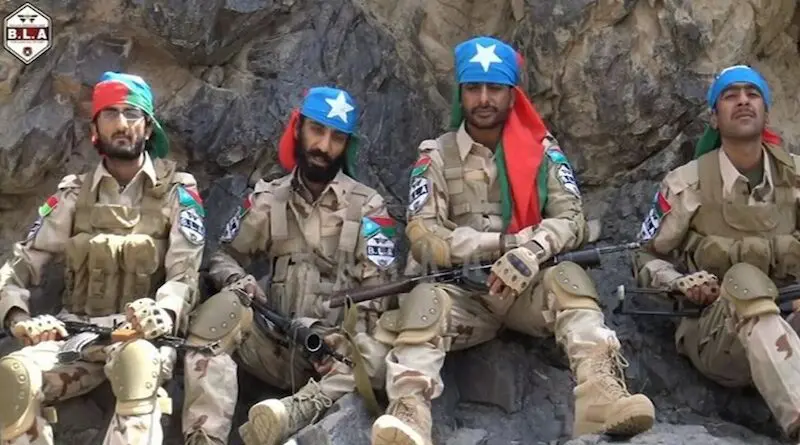
When the United States finally designated the Balochistan Liberation Army (BLA) and its suicide squad, the Majeed Brigade, as a Foreign Terrorist Organization on August 11, 2025, it felt like one of those moments where Islamabad could quietly say, “about time.”
For years, Pakistan has been asking the world to see the BLA not as rebels fighting for rights, but as a violent outfit responsible for bombings, kidnappings, and attacks on civilians. Until now, Washington had only put them on a sanctions list as a Specially Designated Global Terrorist group. The FTO label carries more weight, both legally and symbolically.
For Pakistan, this is a win on the diplomatic front. It validates years of complaints that the BLA isn’t some misunderstood nationalist movement. And for the US, it sends a message that it’s still willing to work with Pakistan on counterterrorism, even after the rough years that followed the messy end in Afghanistan. What’s also interesting is how this indirectly acknowledges China’s concerns too, since BLA attacks have often targeted Chinese engineers and CPEC projects. That part probably wasn’t lost on Beijing.
There’s no sugarcoating the BLA’s record. Their suicide wing has used both men and women to carry out deadly attacks. They’ve blown up pipelines, ambushed security forces, and targeted roads and dams meant to support development. These are the hallmarks of a militant group, not a political party. But here’s the tricky part: the BLA taps into real frustrations that exist in Balochistan. The province has been resource-rich but people-poor for decades. Gas, minerals, and coastline all get tapped, but ordinary Baloch don’t feel they see much benefit. That’s where the militants gain ground, wrapping violence in the language of resistance.
The US designation will choke off some of the BLA’s outside support. Fundraising abroad, sympathetic lobbies, or even just diaspora activists will now think twice about open links with the group. That financial squeeze matters. But in some ways, the symbolic impact might be just as important. By officially calling the BLA terrorists, the US reinforces Pakistan’s line that this isn’t a political struggle with moral high ground, it’s terrorism. Perception shapes legitimacy, and legitimacy shapes survival.
Still, nobody should think this move will magically end militancy in Balochistan. The BLA isn’t a single, neat organization. It’s more like a patchwork of factions that sometimes fight under the same name but act independently. Militancy adapts. You cut one stream of funding and other pops up, especially if the ground realities that gave birth to it remain. That’s why Pakistan can’t rely on hard power alone. Security operations may control violence for a time, but without political inclusion and serious investment in local development, the cycle keeps coming back.
What makes this moment interesting is the potential impact on Pakistan–US relations. Ties between the two countries haven’t exactly been warm lately. This designation costs Washington little but gives Islamabad something to celebrate. It also allows the US to indirectly show it recognizes threats tied to Chinese projects in Pakistan, even though Washington and Beijing are rivals elsewhere. Pakistan could use this as a chance to build some breathing room diplomatically, playing its cards between two big powers instead of being squeezed.
Regionally, there’s a ripple effect too. If Europe or other countries follow the US lead, the BLA becomes even more isolated. That’s a strategic boost for Pakistan. But it doesn’t mean the narrative war ends. India, for instance, is unlikely to stop pointing at unrest in Balochistan as a counterweight to Pakistan’s focus on Kashmir. Competing stories about who’s the victim and who’s the aggressor will continue across South Asia.
The FTO tag is both an achievement and a reminder. It’s an achievement because Pakistan finally got the recognition it wanted from the US, proving the BLA is a terrorist outfit, not a nationalist one. But it’s also a reminder that labels alone don’t solve the deeper problems. Militancy in Balochistan thrives on feelings of neglect, exclusion, and underdevelopment. Unless those are addressed, militants will keep finding ways to resurface, no matter what name they go by.

Like what you read?
Please consider supporting Eurasia Review. Thank you for your consideration!
