
Kazakhstan A Model For Russia On How To Get Co-Ethnics To Return – OpEd
On Dec. 14, Vladimir Putin called for the creation of a special institution that would seek to atact more Russians and those who share Russian culture to return to their homeland (ria.ru/20231214/putin-1915834142.html). Moscow began thinking about Israel’s successful approach, but there is a model closer to home: Kazakhstan Moscow began thinking about Israel’s approach, but there is a model closer to home, Aleksandr Shustov says.
It is offered by Kazakhstan, the post-Soviet country with the most successful approach of any former Soviet republic, the Moscow commentator says. When Kazakhstan acquired independence, ethnic Kazakhs were less than half of the population and far fewer than the total of Slavs (ritmeurasia.ru/news–2023-12-18–rossii-neobhodim-svoj-analog-sohnuta-70472).
But the Kazakhstan government’s efforts to attract back what were long called oralmany (“returnees”) and since 2021 kandasi (“compatriots”) has been so successful that the ethnic Kazakhs now dominate that country’s population. The returnees, who number 1.1 million, now form 5.9 percent of Kazakhstan’s population and 8.3 percent of its ethnic Kazakhs.
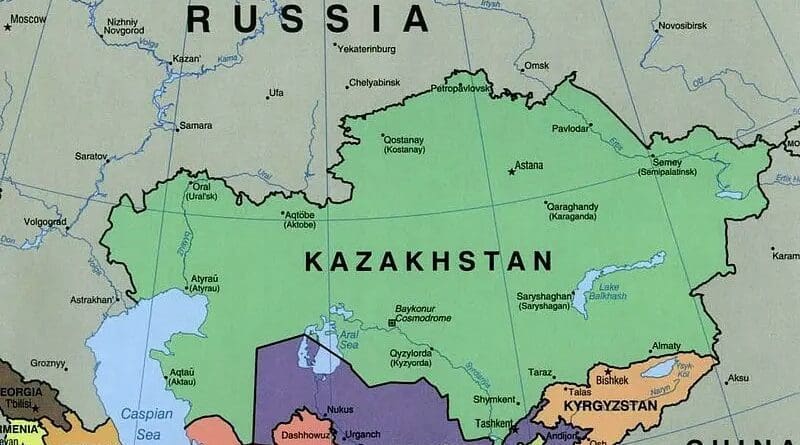
These people come from Uzbekistan (53.6 percent of all returnees), China (19.6 percent), Mongolia (10.9 percent), Russia (7.8 percent), Turkmenistan (5.9 percent) and a scattering from other countries, Shustov says official data show.
What is especially important is that the age structure of the returnees doesn’t place new burdens on the country as most are of working-age, although it is the case that the returnees are on average less well-educated than the population of Kazakhstan they join, something that creates problems for Astana.
Since the beginning of Putin’s war in Ukraine, the Moscow analyst says, Kazakhstan has sought to direct these returnees to the northern portion of the country to replace departing ethnic Russians. But the climate and the economic situation there has made that a difficult task as many returnees to Kazakhstan aren’t comfortable in that part of the country.

Like what you read?
Please consider supporting Eurasia Review. Thank you for your consideration!
