
Strengthening Pakistan’s Counter-Terrorism Efforts With Global Support – OpEd
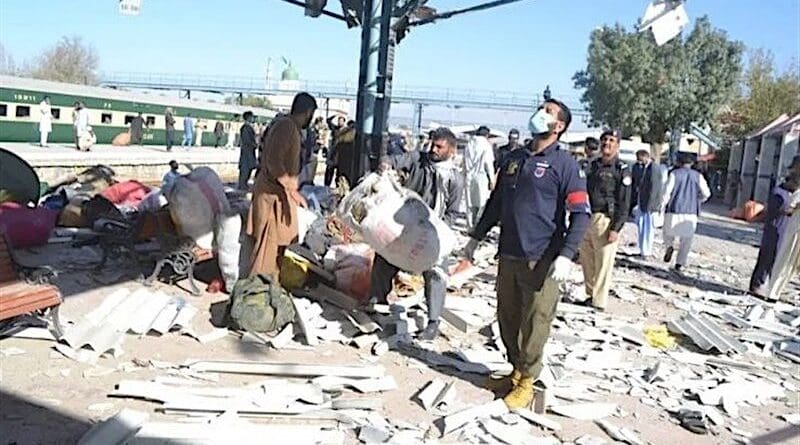
The recent terrorist attack in Quetta, which claimed the lives of at least 26 people, has drawn widespread condemnation and support from the international community.
From China to Russia, and from the UN to regional neighbors like Iran and Sri Lanka, global leaders have voiced their solidarity with Pakistan in its counter-terrorism efforts. However, beyond expressions of sympathy, there lies a pressing need for tangible support, enhanced collaboration, and coordinated counter-terrorism strategies to bolster Pakistan’s efforts.
China-Pakistan Collaboration: More Than Just Condemnation
China’s response, led by Foreign Ministry spokesperson Lin Jian, reflects an enduring alliance marked by shared interests and significant economic investments, such as CPEC. The injury of two Chinese nationals in Karachi highlights the threat that terrorism poses not only to Pakistanis but also to foreign partners.
China’s vocal support for Pakistan’s counter-terrorism operations is essential, but it must be matched with sustained bilateral counter-terrorism initiatives, including security training, intelligence-sharing, and joint task forces to protect CPEC investments and Chinese citizens.
Russia’s Firm Stance and Its Implications for Pakistan
Russia, under President Putin’s leadership, has consistently voiced its commitment to assist Pakistan in combating terrorism. Putin’s condemnation of the Quetta attack and his call for justice are welcome affirmations of Russia’s support. Pakistan and Russia have a mutual understanding when it comes to countering terrorism; both nations have encountered extremist threats that have shaped their security policies.
Moving forward, Pakistan should explore deeper military collaboration with Russia, including joint anti-terrorism drills, intelligence-sharing, and even arms deals aimed at strengthening Pakistan’s counter-terrorism capabilities.
UN and Global Institutions: From Words to Action
UN Secretary-General Antonio Guterres condemned the attack and called for accountability. While these statements are critical for maintaining international awareness, the United Nations and its associated agencies have an opportunity to play a more direct role in Pakistan’s fight against terrorism.
Programs that provide counter-terrorism training, funding for security enhancements, and expertise on deradicalization can make a lasting impact. The UN’s endorsement of anti-terrorism efforts in Pakistan also strengthens the case for international donors to invest in Pakistan’s security sector, which remains vital for ensuring sustained stability.
Regional Solidarity: Iran, Sri Lanka, and Malaysia
The tragedy has drawn powerful responses from regional players, including Iran and Sri Lanka, both of whom are no strangers to terrorism. Iran, whose spokesperson underscored the need to uphold human rights and reject terrorism in all forms, shares a long border with Pakistan, making coordinated border security essential.
Sri Lanka, reflecting on its own history of combating separatist terrorism, has also extended support, reiterating the shared regional interest in stability. By leveraging such solidarity, Pakistan can build regional coalitions to tackle cross-border terrorist networks and enhance border security.
A Call for Multilateral Action Against Terrorism
The responses to Pakistan’s tragedy showcase a rare alignment of global voices against terrorism, but they should serve as more than symbolic gestures. This is an opportunity for the international community to establish or strengthen multilateral frameworks that address terrorism with a particular focus on South Asia.
Forums such as the Shanghai Cooperation Organisation (SCO) and the South Asian Association for Regional Cooperation (SAARC) can play a pivotal role in supporting Pakistan’s efforts, creating shared strategies for intelligence, surveillance, and securing borders. Global action, beyond just statements, will be instrumental in sustaining Pakistan’s efforts to prevent future tragedies.
Pakistan’s own determination to root out terrorism within its borders is evident, but it cannot achieve this goal without the continued backing of its international allies. Not only do such partnerships alleviate some of the strain on Pakistan’s resources, but they also reinforce its stance on countering extremism, helping isolate those elements that threaten both regional and global peace. Pakistan has the potential to be a strong pillar in the fight against terrorism, provided it is equipped with the resources and alliances necessary to overcome the challenges it faces.
Conclusion: Building a Future Without Terrorism
The Quetta tragedy is a reminder of the stakes involved in the fight against terrorism. Pakistan’s resilience, supported by the international community’s tangible assistance, can foster a more secure future for its citizens and allies. As countries rally behind Pakistan, this tragic event serves as a catalyst for deeper cooperation and mutual resolve to eliminate terrorism from the region and beyond.

Like what you read?
Please consider supporting Eurasia Review. Thank you for your consideration!
