
Living The Prince Islands: More Than Ice Cream And Electric Shuttles – OpEd
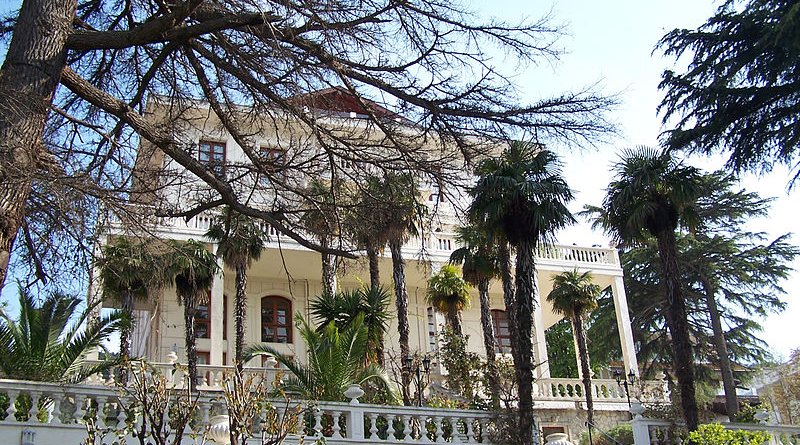
The Princes’ Islands… so close to Istanbul, yet often perceived merely as a place to “grab an ice cream, take a quick ride on an electric bus, and head back.” But the Islands deserve far more. With their forests, historic buildings, quiet coves, and cultural heritage, they are a living open-air museum.
Unfortunately, today’s reality is quite different. The prices of electric buses and taxis have turned into a kind of hidden entry fee. Visitors spend just a few hours in the town center before returning, while countless treasures — from Aya Yorgi to the Greek Orphanage, from Dil Burnu to Bayrak Hill on Burgazada — remain unseen. Much of the Islands’ potential lies dormant.
The solution, however, is simple: draw people deeper into the Islands. This can be achieved through walking routes, marked trails, bicycle paths, and affordable transport packages. Technology can also enhance the experience: imagine scanning a QR code at the start of a trail and listening to the history of the forest, or climbing to Aya Yorgi not only for the view but also for its stories.
As the experience becomes richer, visits become more meaningful. Morning hikes to Aya Yorgi, sunset walks on Hristos Hill, guided nature and history tours, birdwatching, quiet spots for reflection, picnic areas, and clean beaches… all of these transform the Islands from a place consumed into a place truly lived.
Of course, this responsibility does not rest solely with municipalities. The Islands Foundation, the Islands City Council, environmental volunteers, university clubs, neighborhood associations — in short, all civil society actors — must take part in this transformation. Without the participation of the local community, the Islands cannot regain their true identity.
The Islands are Istanbul’s breathing space. It is in our hands to turn them into a place not for fleeting amusement but for living nature, culture, and history. The idea of “living the Islands” is not just a project — it is a call. One hopes it will be heard.

Like what you read?
Please consider supporting Eurasia Review. Thank you for your consideration!
