
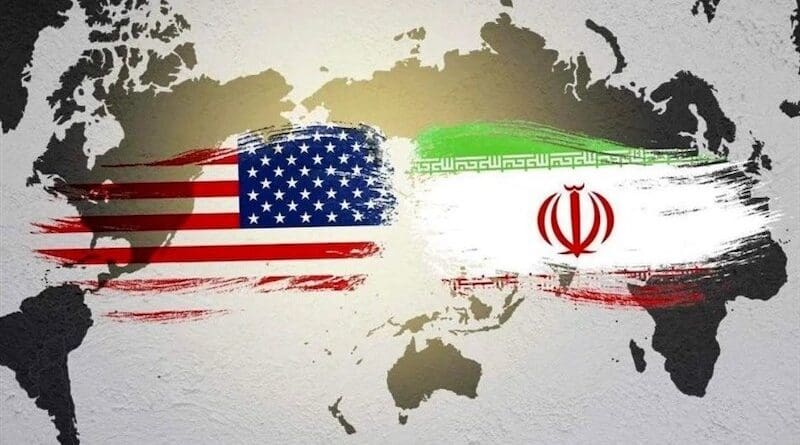
Navigating The Storm: US-Iran Tensions And The Imperative For Global Mediation – OpEd
By Shahbaz Ali
The Iran-U.S. relationship has been characterized by intricate issues for a long time, attracting the attention of the international community. With the resumption of indirect talks in Geneva on February 26, 2026, the sense of urgency is evident. The talks are focused on finding solutions to Iran’s nuclear program, economic sanctions, and regional security.
Although both countries have their viewpoints, the possibility of achieving positive results through dialogue is considerable. The article will discuss the issue in a balanced way, highlighting the significance of international mediation in achieving a deeper understanding and finding a solution. Countries such as Pakistan, with their geographical location and diplomatic experience, can be of great help in this endeavor.
Historical Background
To understand the current scenario, it is necessary to have a brief look at the history of how we reached this point. Iran and the U.S. enjoyed better relations before the Iranian Islamic Revolution of 1979, but the situation changed after the revolution. The major issues began to arise in the early 2000s, when Iran’s nuclear program came into focus. Iran has reiterated that its nuclear program is for peaceful purposes, such as energy and medicine, in accordance with its obligations under international agreements. The U.S., on the other hand, has raised concerns about the possible military use of Iran’s nuclear program, which has resulted in a series of sanctions and diplomatic efforts.
One of the major turning points was the Joint Comprehensive Plan of Action in 2015, where Iran agreed to curb its nuclear program in return for lifting economic sanctions. This agreement was between several nations and was considered a move towards cooperation. But in 2018, the U.S. chose to withdraw from the agreement, reimposing sanctions, which led to Iran changing its level of compliance. Over the years, Iran has escalated its uranium enrichment, but it has always reiterated its legal right to peaceful nuclear programs. All these have been part of the ongoing negotiations, with both parties looking for ways to regain trust.
Recent occurrences, such as the Iranian domestic situation and changes in U.S. policies, have added complexity to the dialogue. The Iranian protests earlier this year brought to the fore the domestic desires for change, which have impacted the perception of foreign relations.
The Present Situation
As of February 2026, the current situation is centered on the current indirect talks that are being facilitated by Oman and are now taking place in Geneva. The U.S. representatives are pushing for very limited nuclear programs in Iran, under a “zero enrichment” deal. Iran has proposed that there be a limited enrichment program for non-military purposes, along with other agreements such as the export of excess materials to guarantee transparency.
The U.S. has shown its military presence in the region, including aircraft carriers, to emphasize its commitment to regional stability. Iran has reacted to this by asserting its sovereignty, including its capabilities in missiles and drones. However, events such as the interception of a drone or a maritime incident have not led to further escalation than controlled reactions, indicating a mutual desire to avoid wider conflict. Both sides have had leaders express a preference for a diplomatic solution. U.S. President Trump has expressed a willingness to negotiate, and Iran’s Foreign Minister has indicated that a possible agreement is within reach through mutual concessions. The deadline imposed for progress indicates urgency, but it also indicates the potential for breakthroughs.
Possible Outcomes and Impacts
If negotiations go well, the positive outcomes can be far-reaching. Relaxing sanctions could improve Iran’s economy, making life easier for its citizens and ensuring that international oil markets remain stable. For the U.S., having Iran agree to verifiable restrictions on nuclear programs would improve Middle Eastern security, possibly opening doors to further diplomatic talks on other matters, such as ballistic missiles or proxy activities.
However, if negotiations fail, the entire region could be plunged into further uncertainty. A lack of stability in important shipping routes such as the Strait of Hormuz could have energy implications around the world, harming distant economies in addition to those in the Middle East. The involvement of other allies could add to the complexity, drawing in other regional countries. The human factor, keeping civilians safe and sound, is always at the forefront of any situation.
Internationally, such tensions shape and reshape global alliances and trade patterns. Nations that rely on the stability of the Middle East, found in Asia and Europe, have much to lose. Such interconnectivity is what makes it so important for all of us to work together.
The Importance of International Mediation
Today, more than ever, the international community must play a crucial role in helping these negotiations. The role of mediation by third-party countries can be instrumental in bridging the gaps, bringing new ideas, and reaching compromises. European countries, as original signatories of the JCPOA, could revive their engagement by suggesting new verification methods that would appeal to both sides.
China, with its economic interests in Iran, could play a role in encouraging a de-escalation process, while Russia could assist in negotiations on security arrangements. India, with its balanced foreign policy, has the potential to promote the idea of inclusive dialogue during its high-level visits.
Pakistan, in particular, has the potential to act as a mediator because of its geographical closeness and past diplomatic efforts. Pakistan, which shares a border with Iran and has strong economic ties with the US has experienced similar challenges in the region in the past such as facilitating talks on Afghanistan. Its leaders could call on both sides to focus on economic development rather than conflict perhaps hosting side negotiations or suggesting confidence-building measures.
Pakistan’s experience with nuclear programs and its commitment to peace in the Islamic world make it an ideal player with a positive contribution to make. By taking the initiative, Pakistan could ensure that spillover effects do not impact the stability of South Asia.
Other countries, such as Qatar and Switzerland, which have experience in mediation, should make greater efforts. The United Nations can hold special sessions to promote multilateral solutions, so that no country feels left out. These joint efforts, whether through temporary agreements or monitoring teams, can help build momentum. Mediation is not about playing favorites; it is about making room for understanding, just as in successful past interventions in hotspots around the world.
A world where such collective diplomacy becomes the new standard is what can be envisioned. This begins with countries encouraging each other to participate, pooling their knowledge and resources. For example, joint economic rewards or cultural events can supplement expert negotiations, making the process more human.
Conclusion
The dialogue between the US and Iran in 2026 is a turning point in international relations. Both countries are dealing with their long-standing problems with the aim of reaching a common ground. This will be a great success that will pave the way for the solution of other international problems. But all this can only be achieved with the help of the entire world.
Countries all over the world, including Pakistan, are urged to contribute to the mediation process. Whether it is direct participation or calls for peace, every voice matters. With the help of the entire world, a bright future is possible.
