
From Herat To Wakhan: Afghanistan’s Strategic Role In Iran–China Connectivity And Emerging Economic Opportunities – OpEd
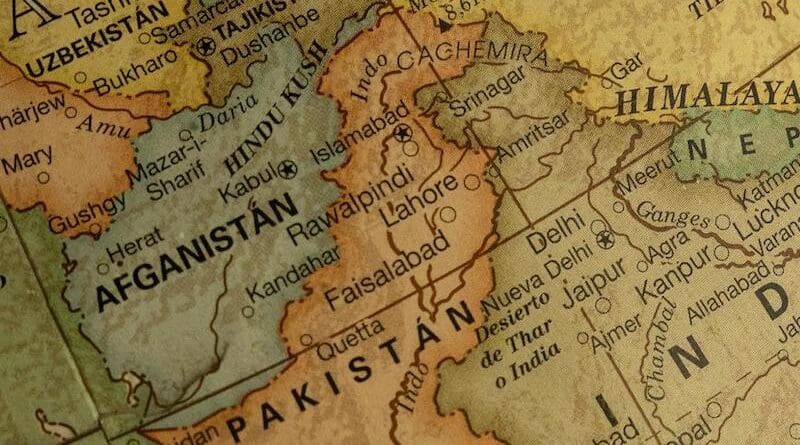
Some Iranian and Afghan media outlets have quoted a senior Iranian railway official, Jabbar Ali Zakeri, as stating that Iran is considering a new transit railway route linking Iran to China through Afghanistan. According to these reports, Iran plans to extend a railway line from Herat province to Balkh and then onward to Wakhan in Badakhshan, thereby connecting Iran to China via Afghan territory.
Although these statements by the Iranian official remain at the level of discussion and planning, if such a project is implemented in the future, it could significantly enhance commercial and economic relations across the region—particularly among Afghanistan, Iran, and China.
At present, trade between Iran and China is largely conducted via maritime routes, which are neither free of challenges nor efficient in terms of time and distance. Despite this, the two countries remain major trading partners. While non-oil trade exists between them, Chinese imports of Iranian oil have played a central role in strengthening bilateral ties. As the world’s largest manufacturing country, China has become Iran’s largest oil buyer, especially due to U.S. sanctions that have limited Tehran’s access to global energy markets.
Although the United States has imposed sanctions on Iran, China continues to engage in trade with Tehran, viewing these sanctions as unilateral. Washington has taken strict measures against Iranian oil exports, prompting Iran to pursue alternative overland trade routes in recent years by strengthening ties with Turkmenistan, Tajikistan, and Uzbekistan. In this context, Iran has also expanded its trade relations with Afghanistan.
Against this backdrop, Iran appears to be considering Afghanistan as a new transit corridor that could provide the shortest and most efficient route to its largest trading partner, China. Iran is already connected to Afghanistan through the Khaf–Herat railway, which has a total length of 225 kilometers. Under the proposed plan, this existing railway would be extended further into Afghan territory.
These developments highlight Afghanistan’s continued role as a natural bridge linking different regional economies. Afghanistan has the potential to play a significant role in regional connectivity and economic integration.
Afghanistan’s Strategic Geography Re-emerges
Afghanistan is geographically positioned at the crossroads of Central Asia, South Asia, and Iran—an advantage that regional countries cannot ignore when considering trade and transit routes. Currently, several regional connectivity projects are underway through Afghan territory, including the TAPI gas pipeline, the CASA-1000 electricity transmission project, ongoing discussions on the Trans-Afghan railway project, and other initiatives in which Afghanistan plays a central role. Together, these projects highlight Afghanistan’s importance in regional economic integration.
Historically, Afghanistan has served as a key hub of regional connectivity. Through the ancient Silk Road, it once played a vital role in facilitating trade and cultural exchange between Asia and Europe. After decades of instability, which had raised serious security concerns among neighboring states, the situation has changed. Afghanistan is once again attracting regional attention, as countries seek to leverage its strategic location.
Iran, as one of Afghanistan’s most important neighbors, stands to gain significantly from this proposed connectivity route to China. If Tehran engages seriously with both Afghanistan and China on this initiative, it could yield positive outcomes for all parties involved.
While the benefits of such a corridor for Iran and China are relatively clear, an important question remains: what advantages could this project bring to Afghanistan—a war-affected country with a weak economy but vast untapped natural resources?
One major benefit for Afghanistan would be transit revenues, which could contribute to the national treasury and be reinvested in development projects. Another key advantage would be the creation of employment opportunities. The construction and operation of the railway would generate jobs across multiple sectors, potentially improving livelihoods and contributing to economic stability.
A further benefit would be Afghanistan’s direct connection to China. Currently, trade between Afghanistan and China largely takes place through Pakistan, a route often plagued by delays and political obstacles. An alternative route via Central Asia is also time-consuming and costly. If this new corridor becomes operational, Afghanistan would be directly linked to China, significantly reducing transportation time and costs. This could lower the prices of Chinese and Iranian goods in Afghan markets.
Moreover, China’s demand for raw materials and its growing investments in Afghanistan could be further strengthened by this new route. In recent years, China has invested in Afghanistan and developed positive relations with the Afghan government. A direct transit corridor would likely encourage greater Chinese investment. Afghanistan holds both economic and strategic value for China, particularly given Beijing’s interest in Afghan mineral resources. In addition to the large Mes Aynak copper project, China has recently signed investment agreements in several other sectors.
Nevertheless, initiating such a project would not be simple. Coordinating among Iran, Afghanistan, and China, reaching formal agreements, and developing detailed plans would be one phase of the process. Constructing a railway from Herat to Badakhshan across Afghanistan’s rugged terrain and deserts would represent another major challenge. Although security conditions in Afghanistan and the region have improved, China may still harbor concerns related to security in its western regions. Additionally, the financial cost of the project would be substantial, potentially exceeding the capacity of any single country. However, if the project is aligned with China’s Belt and Road Initiative, its implementation could become more achievable.
In conclusion, Iran’s discussions regarding this proposed corridor open an important new chapter in Iran–Afghanistan–China connectivity. If implemented with Afghanistan at its core, the project could bring significant economic benefits to the country. The Afghan government should actively follow up on this initiative with Iran, as it presents substantial economic opportunities for the Afghan people. While challenges and obstacles are inevitable—as with any major infrastructure project—the proposed corridor offers new and positive prospects for trade and transit cooperation among all three countries.

Like what you read?
Please consider supporting Eurasia Review. Thank you for your consideration!
