
PTM’s One Sided Story: Why It Rings Hollow – OpEd
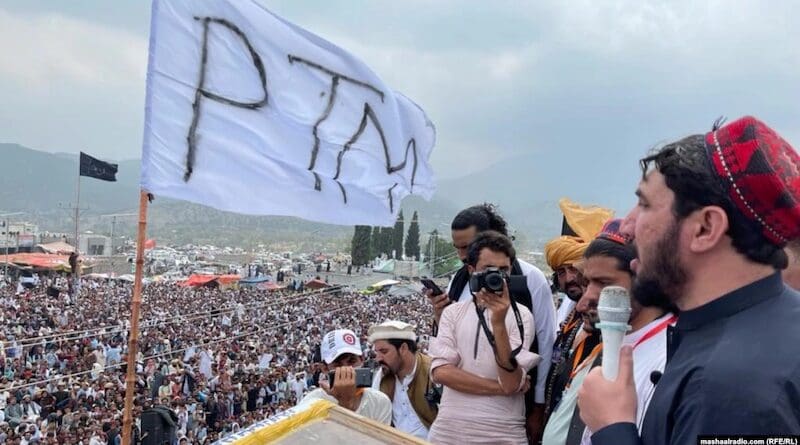
In Pakistan, the Pashtun Tahafuz Movement (PTM) likes to present itself as the voice of a silenced community.
At first glance, that sounds like noble who does not want oppressed people to have a platform. But dig a little deeper and a troubling pattern emerges. PTM builds its entire narrative around portraying Pashtuns as eternal victims of the Pakistani state, while conveniently ignoring the blood soaked decade when the TTP turned tribal districts into a living nightmare.
Thousands of Pashtuns were blown up in mosques, gunned down in jirgas, or sent home in coffins after suicide bombings. Schools were demolished, elders who dared to resist were assassinated, and children were massacred in cold blood. Yet PTM rarely talks about this. That silence is not just odd, it feels deliberate. By ignoring the sheer scale of terrorist atrocities, PTM shifts all blame onto the state of Pakistan and, whether they mean to or not, ends up giving extremists a free pass.
The Forgotten Sacrifices
Another thing PTM brushes aside is the sacrifice of security forces, many of whom were Pashtuns themselves. Young men from Swat, Waziristan, and Khyber literally gave their lives to push the Taliban back. These were not faceless “soldiers of the state” acting in some abstract war. They were sons, brothers, and fathers who defended their own soil.
It’s painful to see them painted as oppressors when, for many families, they were protectors. Ask the people who managed to return to their homes after operations. Without those sacrifices, entire regions would still be under the Taliban’s thumb. PTM’s rhetoric erases that reality.
The “Missing Persons” Card
One of PTM’s main rallying cries is the issue of missing people. Nobody denies that enforced disappearances are serious and deserve transparency. But PTM avoids an inconvenient truth, a lot of those so called missing were militants, financiers, or facilitators who fled across the border. By blending terrorists and innocent civilians into the same list, they blur the line deliberately.
That is dangerous. It delegitimizes Pakistan’s counterterrorism efforts and leaves ordinary people confused about who the real victims are. There are families who truly deserve answers about missing loved ones, but their cases get drowned out in this politicized noise.
Why Checkpoints Mattered
Anyone who lived through the years of militancy knows how vital security checkpoints were. Were they inconvenient? Of course. Long waits, questions, inspections, nobody enjoyed them. But those measures weren’t arbitrary harassment. They were lifelines. They stopped bombs from reaching markets, they secured trade routes, and they made it possible for displaced families to return home.
PTM’s criticism of these measures always skips that context. Without checkpoints and operations, militants would still be roaming freely. Complaining about them without acknowledging why they were there is like condemning a doctor for surgery scars while ignoring the fact that the patient is alive because of it.
Slogans for the World, Silence for the Victims
PTM has mastered the art of slogans and social media. They know how to attract attention abroad and win sympathy. But look closely at their messaging it serves external players who are all too eager to discredit Pakistan. Their outrage always runs in one direction: against the state. Their silence on terrorism plays right into the hands of those who benefit from Pakistan being portrayed as the villain.
Meanwhile, the voices of real victims, the families shattered by TTP’s bombs don’t make it into PTM’s rallies. The widows, the orphans, the shopkeepers who rebuilt from ashes they’re missing from the narrative. That says a lot about PTM’s priorities.
Refusing to See Progress
It’s also strange how PTM refuses to acknowledge visible improvements in the tribal districts. Roads have been built where none existed, schools rebuilt, healthcare expanded. Development isn’t perfect, and there’s still a long way to go, but things are undeniably better than the days of TTP control. PTM does not want to admit that. They thrive on grievance politics, and progress does not fit the script.
Instead of engaging constructively pushing for more investment, better governance, stronger local voices, they stick to victimhood. That might keep them relevant, but it does not uplift the people they claim to represent.
What Real Empowerment Looks Like
Pashtuns, like all Pakistanis, deserve justice, dignity, and opportunities. Real empowerment would not come from painting an exaggerated picture of state oppression while sweeping terrorist violence under the rug. It will come from dialogue, from education, from jobs, from continued development. It will come from recognizing all sacrifices, those of civilians, security forces, and families caught in between.
The truth is messy. The state has made mistakes, no doubt. But pretending terrorism wasn’t the central wound of the last two decades is dishonest. PTM’s one-sided story keeps wounds open instead of helping them heal.
PTM positions itself as the guardian of Pashtun rights, but its selective memory betrays its cause. By portraying Pashtuns only as victims of the state and ignoring the brutality of the TTP, it silences the real victims of terrorism and erases the sacrifices of those who fought to protect their communities. That’s not human rights advocacy, that’s grievance politics.
If PTM truly cared about Pashtun empowerment, it would confront the full truth: the pain caused by terrorists, the sacrifices of defenders, the necessity of difficult security measures, and the undeniable progress happening on the ground. Anything less is just politics dressed up as advocacy.

Like what you read?
Please consider supporting Eurasia Review. Thank you for your consideration!
