
Save Ladakh’s Economy, Environment And Culture – OpEd
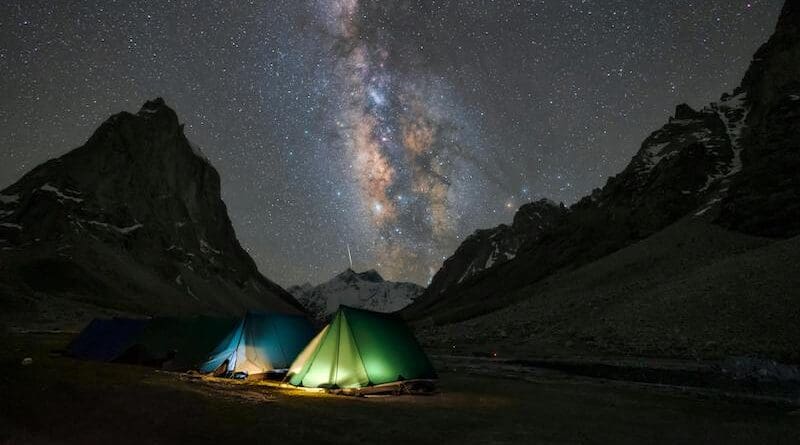
Ladakh’s breathtaking landscapes, enchanting river valleys, colorful hills, sparkling lakes, snow capped mountains, cold deserts, waterfalls, mountain rivers, springs, meadows, rich flora and fauna create a paradise on earth.
A thriving agriculture sector, rich handicraft and handloom traditions, folk dance, music and the magnificent Buddhist monasteries have made Ladakh one of the most exotic destinations for the tourists, craft lovers, naturalists, historians and filmmakers. Buddhism in Ladakh creates a perfect backdrop for spiritual pursuit. The economy of Ladakh is enshrined in nature. Ladakh has enough food backup in its crop diversity; the fertile Sindhu river valley lets Ladakhis grow a variety of crops. Agriculture, tourism, pilgrim tourism, adventure tourism and handicraft sectors have made Ladakh a unique self sustainable economic growth model. How to protect and preserve the unique ecosystem, the natural sector economy and the spiritual environment of Ladakh has become the biggest challenge before the country.
The Raman Magsaysay Award winner, educationist, thinker, social reformer and innovator, Mr Sonam Wangchuk has innovated a number of eco-friendly products which can help the world community lead a life close to nature without disturbing nature’s balance. Those products have huge demand for export. Wangchuk has brought glory to India with his series of International awards and achievements in the field of science, technology, education and environmental protection; those are visible patriotic acts. His work, innovation and his talk are eye opener for the entire world which is at the brink of collapse due to unsustainable economic activities.
No power on earth can address the negative impact of environmental degradation which breeds diseases, triggers flood, drought, cyclone, landslides and erodes the precious topsoil for agriculture productivity. The number of cancer patients has increased phenomenally across the world; the harmful viruses have escaped from forests due to the environmental degradation. It is not the duty of Wangchuk only to protect the environment, but it is the primary responsibility of the government to understand the immense power of nature which can build for the good of the human race; and in the same time nature can destroy human ego in seconds. The famous film, “3 Idiots” which has chronicled Wangchuk’s life, shows how the education system destroys the originality, creativity and innovative thinking among the young students in colleges. Today, sustainable and inclusive growth has made an inroad into the economic planning of many countries across the world. The Sangh Parivar’s leaders in India advocate for inclusive growth, environmental protection and sustainable development. But living this philosophy needs courage and relentless dedicated work.
Recently Wangchuk’s peaceful hunger strike to protect the ecology, environment friendly economic activities and the unique Ladakhi culture turned violent due to hospitalization of two hunger strike activists. Wangchuk called off his hunger strike in protest against the violence which he said was not in his agenda. The violence killed four Ladakhis, damaged property and injured nearly 80 people. The Deputy General Police of Ladakh, Dr S D Singh Jamwal has reportedly said he had intelligence inputs regarding the involvement of anti-social elements. He said how a 5000 to 6000 strong group marched and damaged government buildings and party offices. The intelligence about the preparation for violent acts should have been gathered well in advance to prevent such violence. Why did the authority wait and watch in a time which demanded immediate action.
Wangchuk was arrested under the National Security Act (NSA) and sent to Jodhpur jail. The authorities are examining the alleged irregularities in the FCRA accounts while receiving foreign funds. Wangchuk has to explain if there are any irregularities in the receipt of the foreign funds. Wangchuk’s visit to Pakistan and Bangladesh to address some environment related events has put him under scanner. But, these are different issues. What Wangchuk wanted is a safe environment and employment for the youth which has caught the imagination not only of the Ladakhi youth but the entire country. Their demand for statehood for Ladakh with Sixth Schedule safeguards should be examined by the center for its usefulness. If it is useful it should be given to Ladakhis; an urgent decision is the need of the hour keeping in view of the sensitive location of Ladakh.
The educated Ladakhis need to do more research on scores of economic activities which are enshrined in nature. The Ladakhi artisans add incredibly high value to Thangka paintings, pashmina clothes, metal crafts, wood crafts and religious artifacts etc. A Ladakhi Thangka painting sells at Rs 600000.00 to Rs 10,00000.00 in the Indian metro cities. Its price soars up in foreign countries. The biggest challenge before Ladakh is how to protect and preserve the handicraft skills and artistry. Without skills and artistry a handicraft product is a piece of trash. Each Ladakhi should create the right environment in Ladakh for the priceless handicraft traditions and the other nature based economic activities to flourish.
Tourism, pilgrim tourism and adventure tourism, spiritual tourism, nature and wildlife tourism, agriculture and fishery, medicinal plants, skill based economic activities need to be preserved in Ladakh to generate employment in a safe and peaceful natural environment. Peaceful protest is the foundation of a living democracy; it should not slip into the hands of rogue elements.
Demographic change has been haunting the people of Ladakh. The demographic change should be stopped to protect the indigenous culture. Let the Ladakhis decide what they want to build, make, eat and wear. The ecologically vulnerable Ladakh with its rich culture and traditions will survive amid a safe natural environment but with strength and vigor as it shares borders with ever unpredictable China. Its landscape should not be altered; its culture should not undergo change and its spiritual atmosphere should not be distorted due to aggressive construction activities.
No economic development model in the world has any inbuilt mechanism to amass wealth within a short time. Any attempt to build wealth in a short period, destroys the foundation of sustainable economic activities, depletes the natural capital, creates poverty, hunger and malnutrition; it triggers migration and compels people to lead the uncertain life of fig workers.
Wealth building takes a long time and it is purely based on sustainable economic activities. Ancient India was the richest country in the world with abundant wealth because it had sustainable economic activities which were built over centuries. In the 1st century AD, the Greek official Chronicler, Pliny wrote that the Indian traders were taking away their gold in exchange for their handicrafts. In fact, the fine Indian handicrafts had high value addition and those art objects were more precious than gold. It took several generations for the Indian artisans to develop skills and artistry for adding high value to organic material. People who want to amass wealth within a short time without hard work and innovation bring ruin to the country and its economy and culture.

Like what you read?
Please consider supporting Eurasia Review. Thank you for your consideration!
